WHINING IS NOT BAD BEHAVIOR
Why I never tell my kids to 'stop whining', and what I do instead.
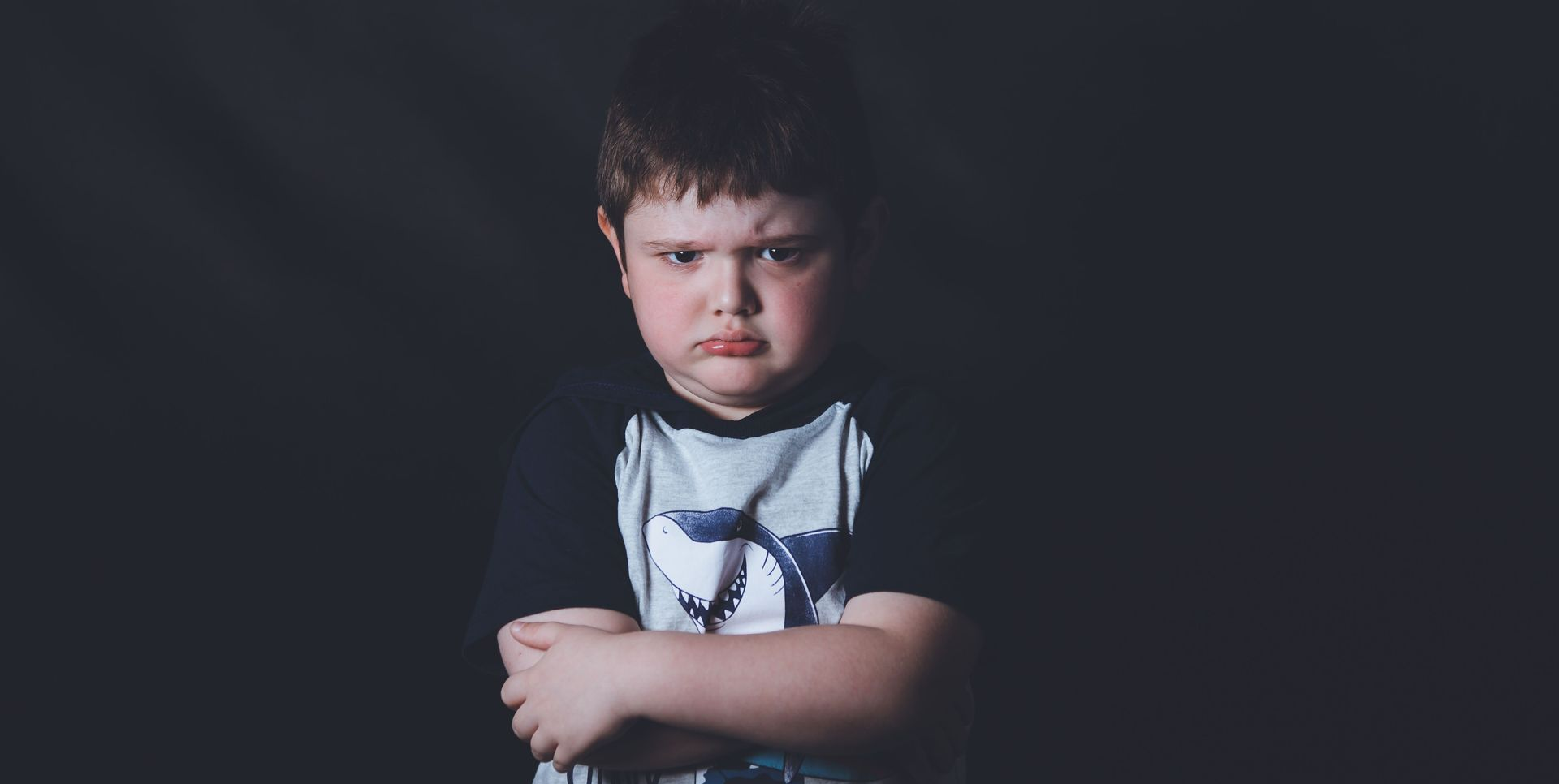
Whining is not bad behavior.
Pouting is not bad behavior.
Huffing and puffing is not bad behavior.
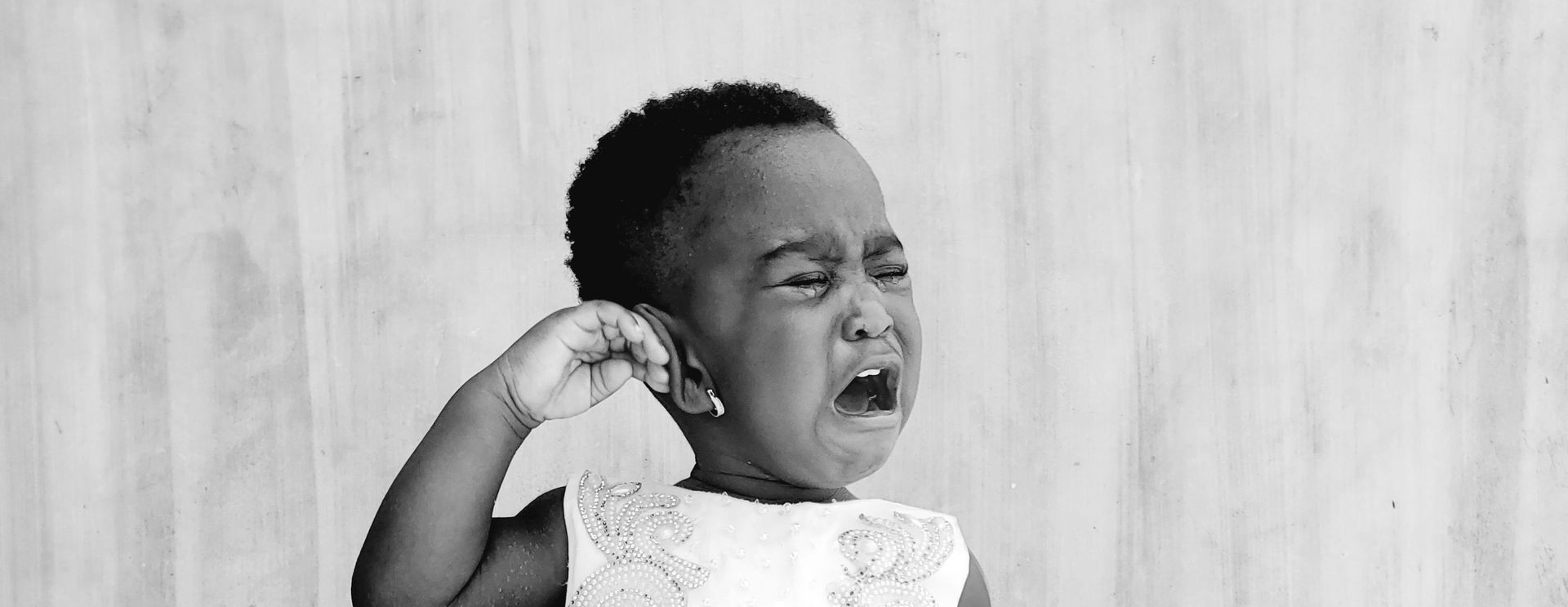
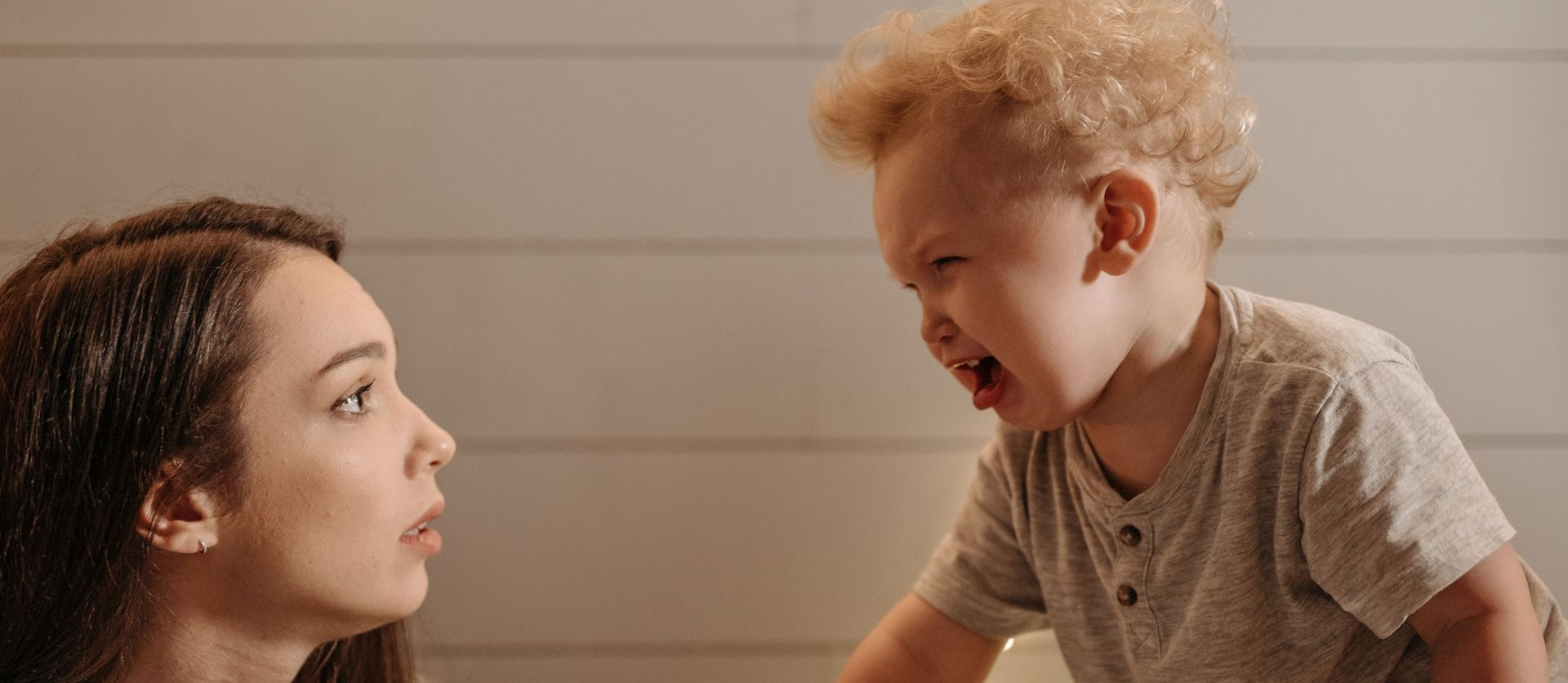
Crying is not bad behavior.
Growling is not bad behavior.
Sulking is not bad behavior.
Folded arms. The cold shoulder. Stomping feet. Even shouting "THIS IS SO UNFAIR!"
These are indications of how we are feeling. And we are allowed to FEEL.
Our kids should not be trained to stop feeling, or to only feel when an adult deems it appropriate or convenient. They are learning HOW feel and to choose healthy ways to express those feelings.
My job is not to stop it
All of the ways our children show us they are upset are not bad. And more importantly, our children are not bad. As a parent, my job is simple: reinforce that these actions don't lead to getting what you want. That's it.
But I don't stop it. I don't command they stop whining, or stop pouting, or stop "being a brat." Those thoughts don't even cross my mind. I see a good kid. But what I don't do is negotiate during these moments. I'm not going to have a back and forth while my child whines. I'm going to wait. Or prompt: "Let's talk to each other in our regular voices." Or I'll say, "Let's discuss this when we are regulated and thinking clearly." The whining simply doesn't do the work of meeting the need. When I teach my child a better way of meeting the need, and allow that way to pay off, my child naturally gravitates to these taught strategies. Not from heavy-handed control tactics of being told not to whine or being punished for whining.
In fact, I don't recall ever using the word whine in my house. One day my son asked me, "What's whining?" after hearing it on a video he was watching. So I did an impression of it. Of course he has whined. He is a child, and children whine. What I did was give him a better skills without shaming him, and we moved past that stage without shaping his identity as a whiner or worse yet a bad kid.
Same goes for all the other non-harmful (often triggering) behaviors such as pouting and crying. These are ways to communicate our discontent. I don't stop it. It simply doesn't lead to a yes, and then I teach my child a better way forward. Compromise, negotiation, and problem solving only happen during regulation, after the emotional storm has passed.
Sitting in the sandbox
Sometimes being miserable feels good, even for adults. Sometimes we need to sit in the sandbox of our misery. Just feeling bummed, victimized, wronged, disappointed, let down. And then, once we are done feeling it, we get up and leave the sandbox.
Feel first. Ride those feelings. Then move.
Where the boundaries actually are
The boundaries during the times our children are upset and dysregulated are held around harm:
Harm to others. Stop hands from hitting. Harm to self. Stop them from pulling their own hair. Harm to things. Stop them from throwing their toys.
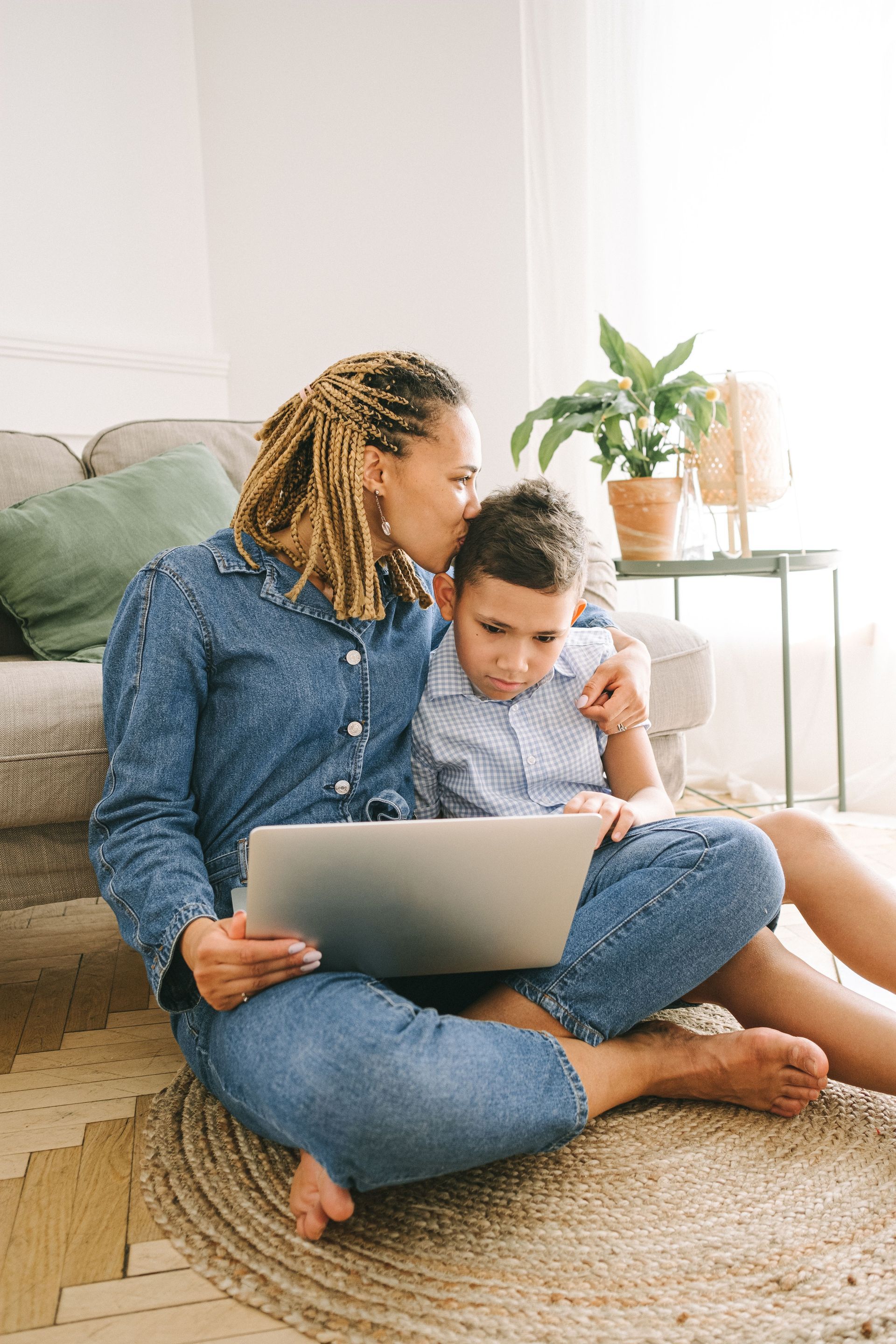
Other than that, we are co-regulating. We offer our child a regulated nervous system, a patient leader, a strong and confident presence. A leader that maintains the KNOWING of their goodness and sees a good kid having a hard time.
Janet Lansbury tells us, "The more displeasure we welcome the happier everyone will be."
WELCOME. Not tolerate. Not allow for. WELCOME. Bring it into your home. Serve it tea. Maintain your own energy and mood the best you can. It's hard. We are human, and it's hard to stay in our own energy and not get swallowed up by our child's emotional storm. But see it as the most important work.
Over time, emotional resiliency builds. What used to take hours will take 45 minutes. Then 10. Then moments. Eventually our child will navigate the world like an emotional ninja, feeling their feelings while staying connected to their own safety. They are growing into self-regulation through co-regulation.
When our kids trigger us
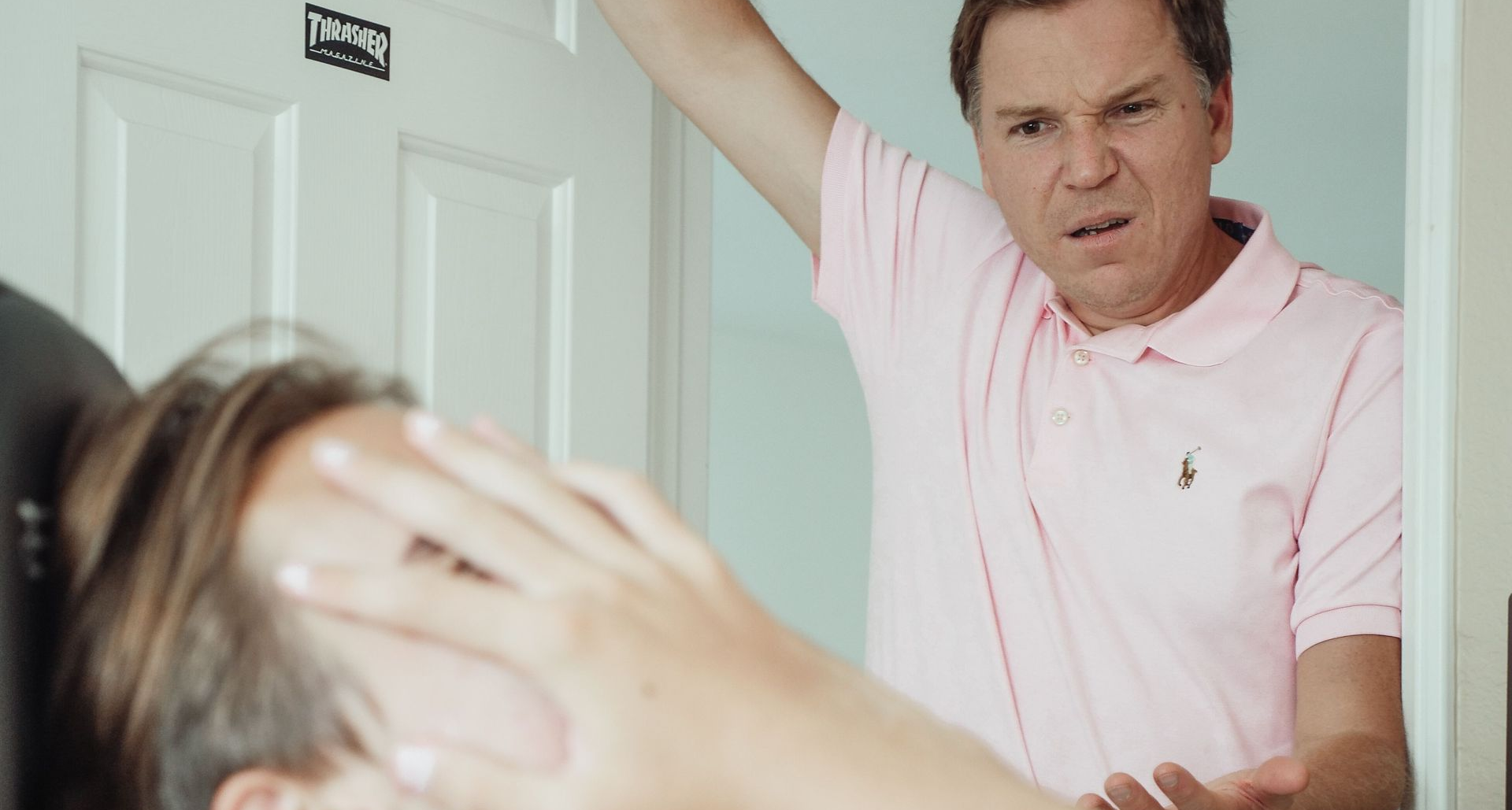
Some of the ways our children express themselves can be triggering. There was no space for us to huff and puff and fold our arms as kids, and here we are allowing it in our own homes.
But here is the deal. As you learn to feel disappointment yourself, show your kids how to do it. "I'm going to take some big dragon breaths." "I'm going to go for a walk." "I'm going to bounce to see if I can regulate myself." Or, "I need to give myself a minute to be disappointed." Maybe even let yourself cry.
Let our children see what it looks like to feel emotions and still show up cooperative, regulated, and loving.
The wrap up
Whining, pouting, huffing, crying. None of it is bad behavior. It's communication. Our job is not to shut it down. Our job is to not negotiate or problem solve when our child is in an emotional storm or dysregulated. Instead we hold boundaries around harm, stay regulated ourselves, and teach a better way forward when the storm passes. The feelings get welcomed. The sometimes triggering, non-harmful behaviors go unpunished and un-shamed. These same behaviors just doesn't lead to a "yes." Over time, that combination builds a kid who can feel everything and still find their way back to calm. And honestly, it builds the same thing in us.
Reflection Questions
- When your child whines or pouts, what comes up in you first? Where do you think that reaction comes from?
- What were you allowed to feel as a kid, and what got shut down? How does that show up in your parenting today?
- What does it look like when you stay in your own energy during your child's emotional storm? What pulls you out of it?
- How do you currently show your child what healthy disappointment looks like? What's one way you could model it more openly this week?