ROOM FOR GUILT
Why guilt helps a child grow, and shame keeps them stuck.
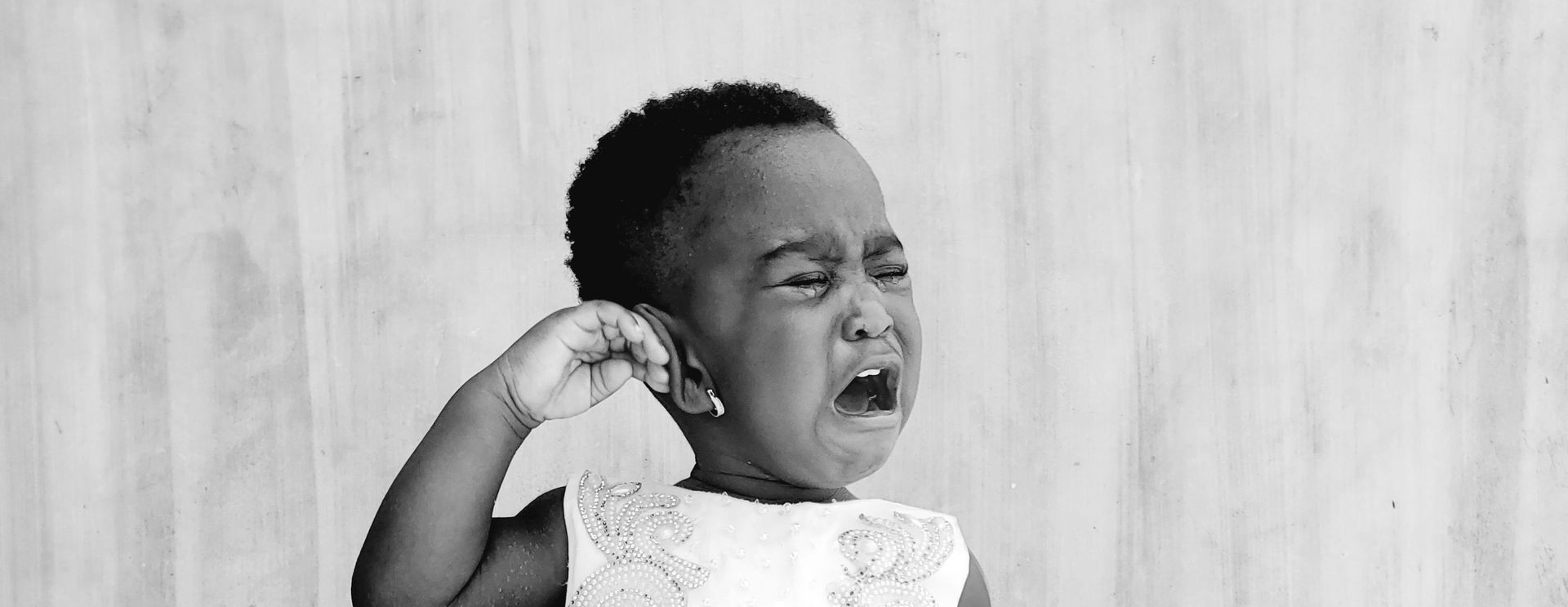
My son asked me something the other night, after an emotional storm had passed. "Why am I so mean, and you're so nice?" It's the kind of question that stops you, because he really wants to know. He's asking what's wrong with him that makes him the way he is.
So we talk about it. We talk about the difference between "I'm so mean" and "I'm being mean," because those aren't the same thing at all. One of them is about who he is, down at the core, his essence. The other is just about how he's acting, his behavior. And the truth is, I don't even see what he's doing as mean. When I really look, underneath the yelling and the slammed door and the words he didn't mean, what I see is pain. That's all it is. A big feeling that got too big for his small body to hold. I get it, though. The behavior could be described as "mean," and if someone were doing that to him, he'd be justified in calling it mean too.
So I tell him the things I want him to know. I tell him I'm a strong mom. I tell him I can keep us safe, both of us, even when it's loud, even when it's hard. I tell him that I feel things too, that I'm not made of stone, but that underneath all of it I'm okay. I'm steady. I'm not going anywhere. I know he's going to come out the other side of this. I know we're going to find our way back to each other, because we always do. And I know that somewhere in here, even when it's hard to see, he's learning and he's growing.
When Growing Looks Like Going Backwards
That growing doesn't always look like growing. Sometimes it looks like the opposite. There are stretches where it feels like things are getting worse, where the meltdowns come bigger and louder than they used to, and you catch yourself thinking, that was the worst one yet. That was more intense, more out of control, more than anything before it. What am I doing wrong? Is this just going to keep escalating? What does it even mean?
Here's what I've come to believe it means. Your child is getting bigger. Bigger body, bigger feelings, a bigger and smarter mind that's testing everything to see what holds. They're meeting their old storms with new strength and new power, and they're trying to figure out what to do with all of it. It can feel like going backwards. It isn't. It's necessary. It's the work.
You do get to see it pay off. When you can hold the hard moments without falling apart, when you can keep believing in their goodness even while they're at their worst, when you stay sure, deep down, that they're going to grow into someone who can handle their own big feelings, they do. Slowly, and then almost all at once, you start to notice it. A pause where there used to be an explosion. A choice made in the middle of a storm that wouldn't have been possible a year ago. They start to steer, just a little, even while the wind is still blowing. That's not luck. That's the fruit of being held.
Why I Want Him to Push Back
I don't actually want a kid who never pushes back. I know that sounds strange, but I mean it. A child who never gets angry, who just folds and complies every time, often isn't a child who's at peace. It's a will that's been broken. Sometimes that's a child who's learned that wanting is dangerous, that the safest thing is to hand over their power and go along. I don't want that for my son. I want him to trust me because I make sense to him, not because he's afraid to do otherwise. I want him to question me, a lot. To run my reasons through his own filter and push on the ones that don't add up.
I want him to want things, and to fight for them, even when I have to set a firm and loving boundary of "no," or "not right now." Him fighting for his wants and his needs isn't a sign that I'm failing. A lot of the time, it's a sign that I'm doing something right. Yes, I want to teach him to communicate those needs, to be flexible, to be reasonable, to consider the people around him. But I want to do all of that inside a solid relationship, not from a throne. Not through dominance, or control, or a demand that he simply obey.
The Forgotten Rage
The honest answer to his question isn't that I'm a better person than he is. It's that no one is telling ME what to do. No one's standing over me, setting the limits, deciding when I eat and when I sleep and when I have to stop doing the thing I love. I'm not fighting for my autonomy all day long, because no one is challenging it. He is. Constantly. And being told what to do, over and over, stirs up a kind of forgotten rage that most of us stopped feeling a long time ago.
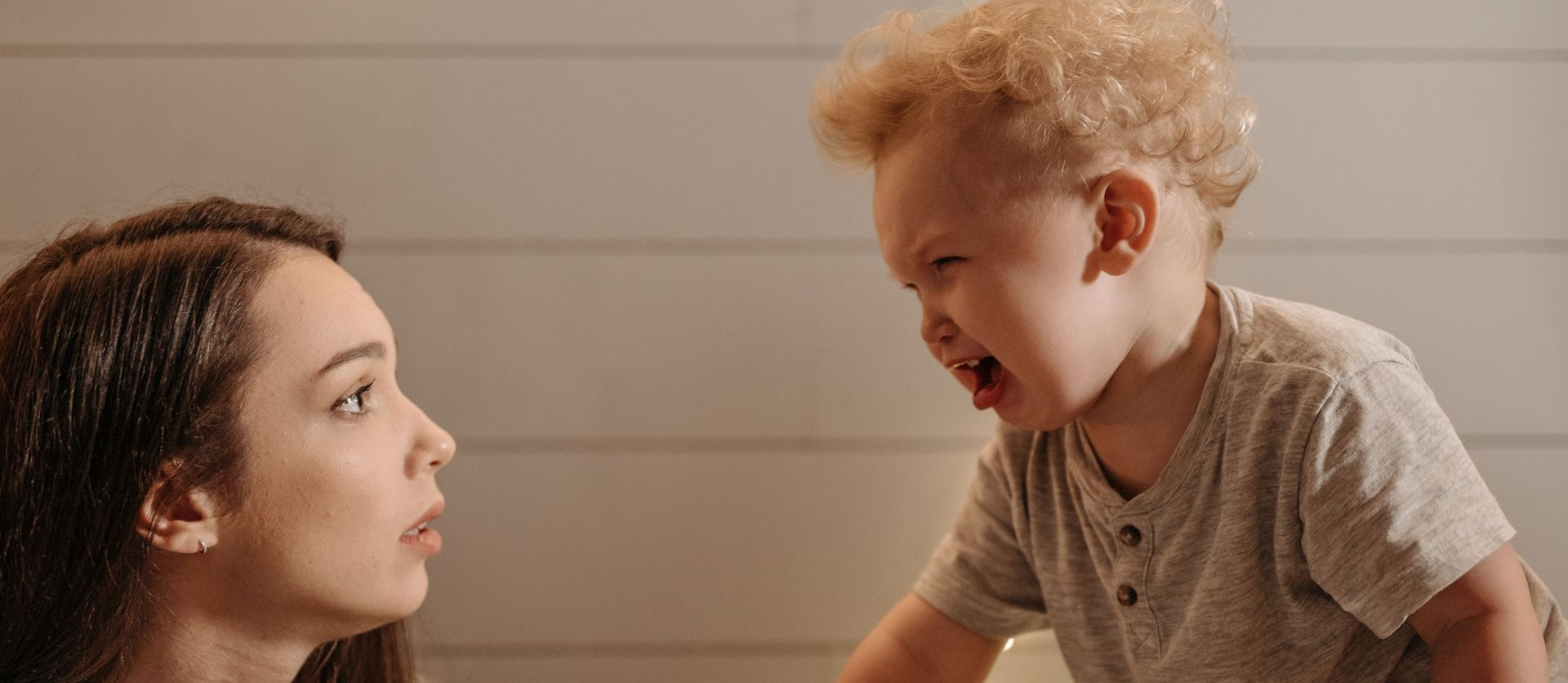
Here's the hard part. Kids need us to tell them what to do. They aren't old enough to run the show, and it'd be neglectful to pretend otherwise. They need our experience, our steadiness, our maturity to keep them safe. But knowing that doesn't make it feel good to be on the receiving end. Boundaries, even loving ones, feel a lot like control. And almost no one likes being controlled. So my son gets angry, and I stay calm, and it isn't because I'm good and he's bad. We're just standing in two different places. He's the one whose autonomy keeps bumping into a wall. Not mine.
Here's something I've noticed, though. My son does feel guilty when he's been angry and something he did caused harm. Not because I've shamed him into it, and not because I've waved it away with excuses either. It's because I communicate my compassion for him, I help him make sense of why it happened, and somehow that's exactly what gives him room to feel it. The guilt isn't something I press onto him. It rises up on its own. And once it does, it guides him.
Shame and Guilt Aren't the Same Thing
As parents, we want to protect our kids from the sting of external, toxic shame, and that instinct is a good one. But it helps to separate two things that often get lumped together.
Shame goes after who a child is, their essence. It comes from the outside, lands on their identity, and tells them they're unworthy or broken. It's the message, underneath the words, that something is wrong with them at the core.
The feeling of guilt is different. Guilt we let arise from the inside, by giving a child room to reflect and notice the impact they had on someone else. I did something I feel was wrong, and I wish I hadn't. It's that quiet discomfort we feel when what we did doesn't line up with who we actually want to be. It isn't about being a bad person. It's about noticing the gap between an action and a value. And that noticing is the very beginning of a conscience.
Here's the part that matters most. A child's sense of right and wrong doesn't get installed by our lectures or our disappointment. It gets calibrated slowly, through us, through the way we live and the way we parent. We're not manipulating them into feeling bad. We're handing them a compass, and then trusting it to calibrate.
When Shame Floods the Moment
Even a young child who's just hit their sibling and shows not a flicker of remorse isn't actually empty inside. They're picking up cues. The baby is crying. The baby didn't like that. Underneath, there's curiosity, confusion, and the early, clumsy beginnings of understanding what their actions do to other people.
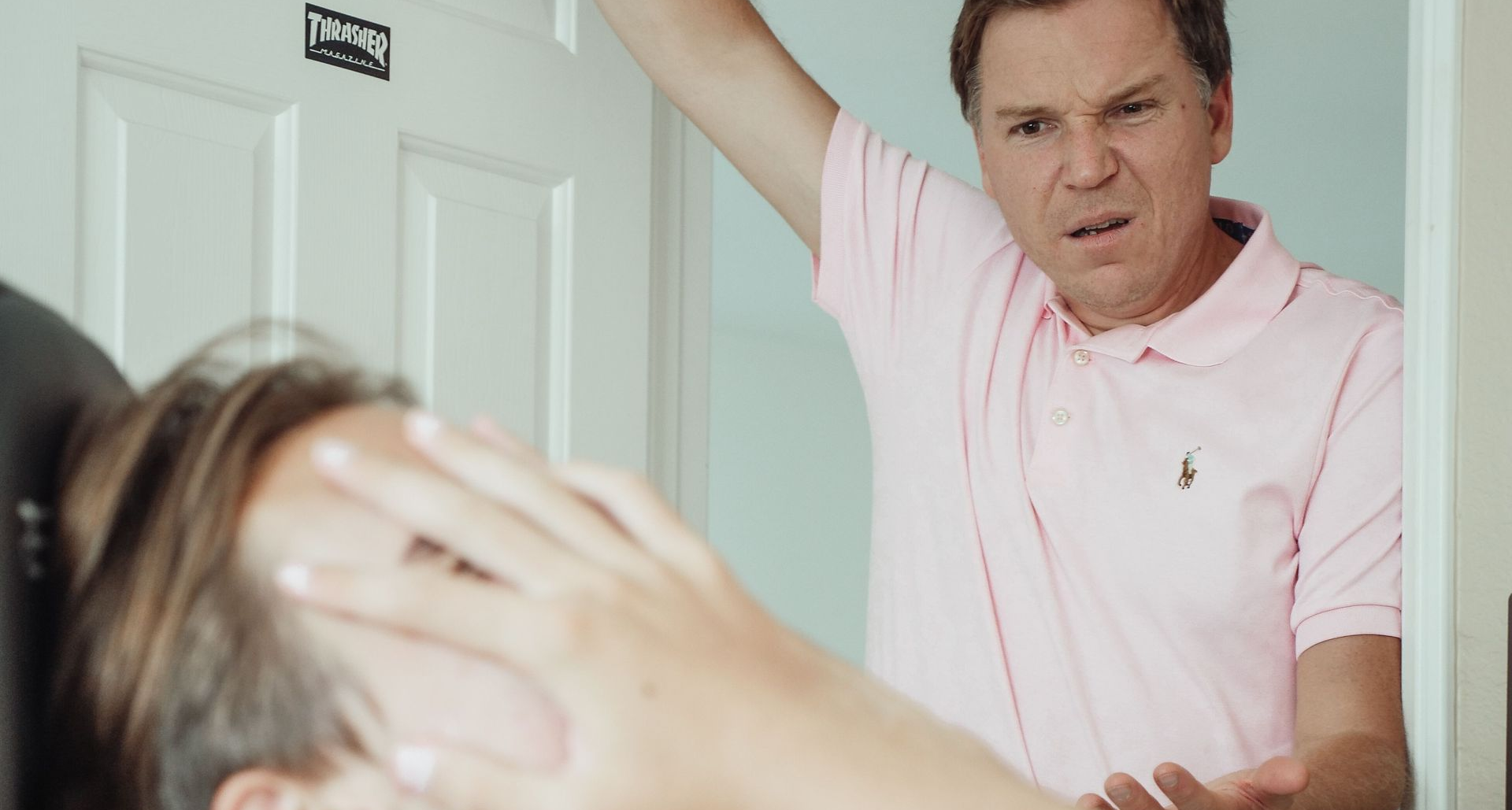
So when we throw our own shame into the moment, loudly, with "How could you?!" or "You're mean!" or by labeling them a bad kid, their compass can't calibrate from the inside. It calibrates to your judgment instead. And you're wrong. They aren't bad. They just don't have it yet, the brain development, the regulated nervous system, the impulse control, the words and skills to handle a big feeling any other way. Instead of feeling the quiet internal signal that might have taught them something, they go straight into defense, pushback, and self-protection. A person can only hold so much shame before they stop absorbing anything at all. They dig in. They double down. Sometimes they repeat the very thing we're upset about, not because they didn't hear us, but because no real learning ever had room to happen. There was no one steady enough to guide them through it. There was only the message that they were bad.
Stopping the Behavior Still Matters
None of this means we don't do anything. Stopping the harmful behavior matters, and we can do it firmly and consistently, with calm, unbothered action. We step in. We say, without emotional intensity, "I won't let you hit," and we redirect or separate as needed. Sometimes there are logical consequences, like ending a playdate early or leaving the park because it isn't safe to keep going. Those aren't punishments dressed up in fear or shame. They're just boundaries that keep everyone safe while a child's impulse control slowly catches up to what we're asking of them.
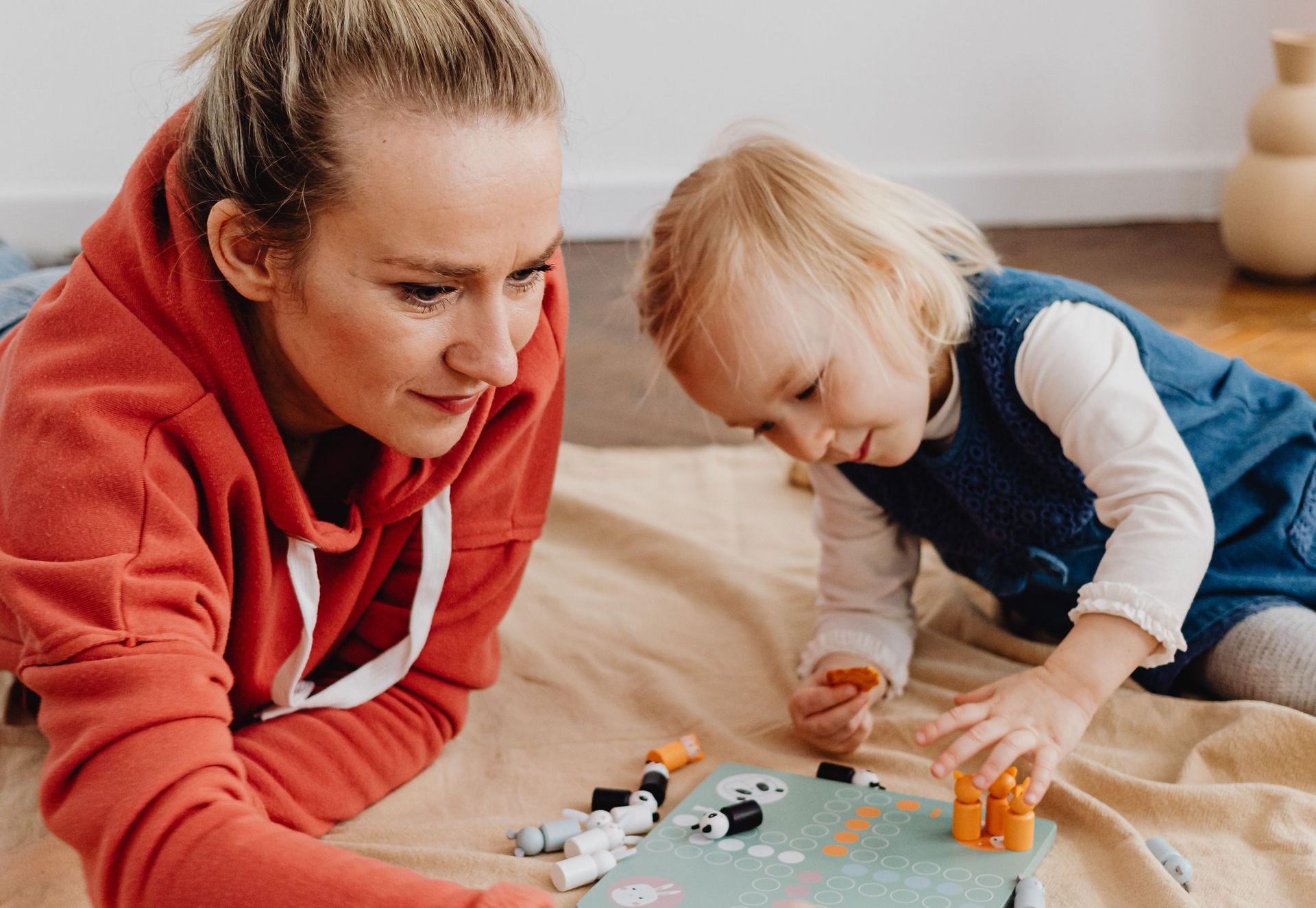
Once things are calm, we can come back and guide. "When you want the block your brother has, you can ask, palm up, and then wait." And if he already knew that and just lost it, we can still meet him where he is. "Waiting is hard. Wait with me here." Over time, across hundreds of small moments like these, his own sense of right and wrong gets stronger.
Making Room for Repair
Repair might be the most powerful way a child learns responsibility while still feeling safe and loved. It's more than saying sorry. It's learning to reflect, to take ownership, and to try again with more care. We can guide it gently, with questions like, "What can you do to make this right?" or "What might help this go differently next time?" Questions like that hand the responsibility back to them without ever putting their worth on trial. I'm not telling a child to "say sorry." Real remorse isn't performed, it's felt. The day you get an unprompted apology is the day you know it came from inside them, and not from you.
When we walk beside our kids through repair, they learn that messing up doesn't make them bad. It makes them human. What defines them is what they do next, the willingness to own it, reconnect, and grow. That's the heart of integrity.
It's worth remembering that most kids won't take full responsibility right away. Admitting you were wrong, or that you hurt someone, carries a lot of weight, often more shame than a child can hold. Expecting them to own it, apologize sincerely, make amends, and commit to doing better is asking a lot of someone still so young. That's exactly why our job is to model repair, again and again. We show them what it looks like to admit we were wrong, to say sorry with care, to make things right. For a while it can feel one-sided. But one day you start to see the fruit. With patience and time, they grow into the same ability. And long before that, the people in their life are already benefiting from the seeds we planted.
Why the Room for Guilt Matters
Guilt isn't a punishment, and it doesn't come from an external force. It comes from seeing the impact of their own choices. It's a guide. When a child feels safe enough to face what they did without bracing for labels or condemnation, they can finally tune into that quiet discomfort that whispers, that wasn't who I want to be. That whisper is their conscience. If we bury them under external, toxic shame, they can't hear it. But if we stay steady, stay close, and stay loving, they learn to trust their own compass. They learn to repair. And they grow into people who can carry responsibility with courage and grace.
That's the room I want to leave for my son. Not a room full of my anger or my disappointment, but an open space where his own sense of right and wrong has somewhere to grow.
Reflection Questions
- How do I usually respond when my child causes harm? Am I speaking to who they are, or to what they did?
- How can I support my child in making things right without making them feel ashamed of who they are?
- What do I want my child to believe about mistakes, about repair, and about their ability to grow?
- When my child pushes back or fights for what they want, can I see it as a sign of trust and growth, or does it feel like something I need to shut down?