WHAT TRIGGERS YOU DOESN'T TRIGGER ME
Stop waiting for your kids to change so you can feel calm.
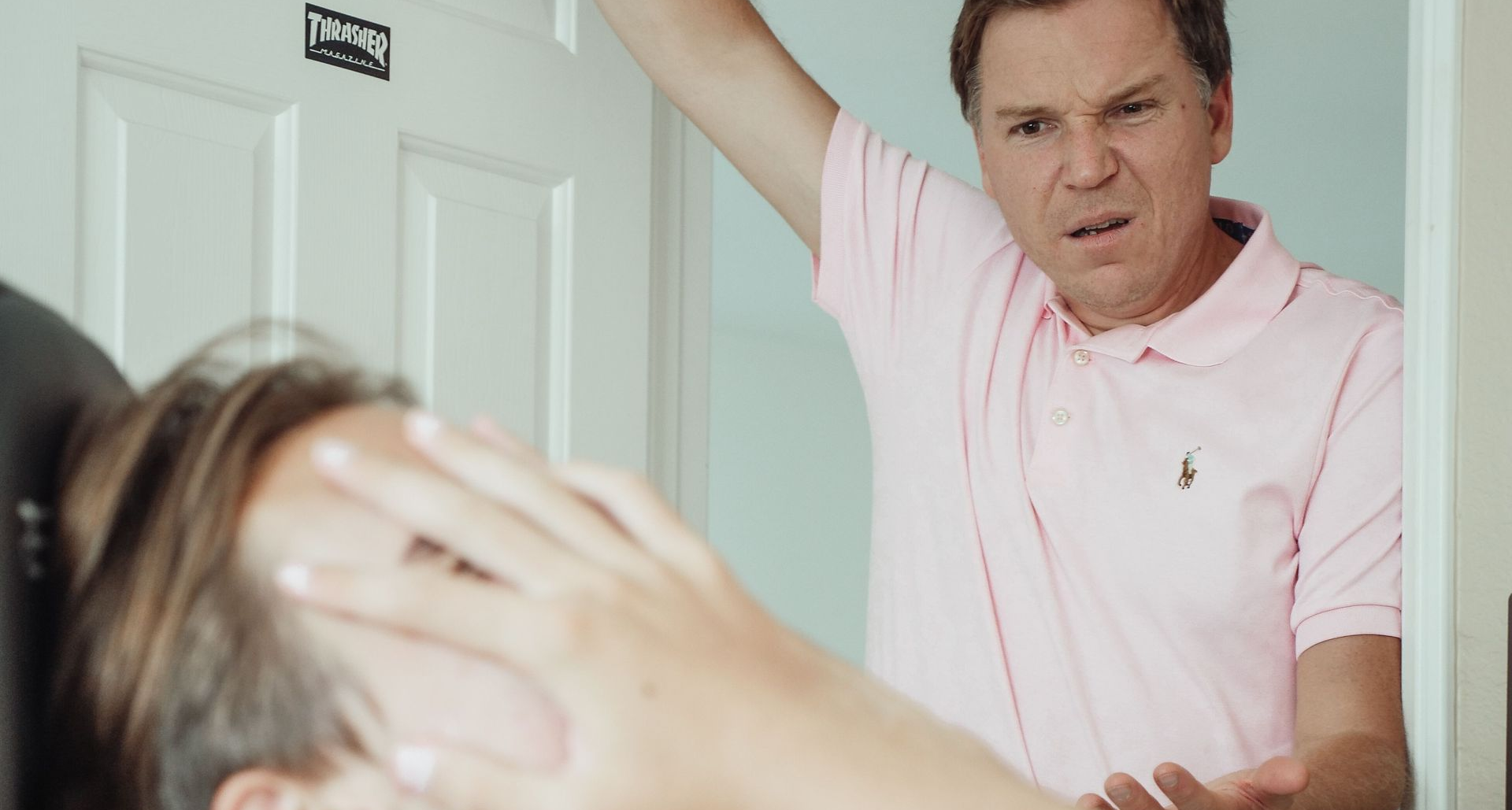
What triggers you doesn't trigger me. What triggers your partner doesn't trigger you. Same kid, same eye roll, same slammed door, and three different adults will have three completely different reactions to it. One of you barely notices. One of you feels a little flicker. One of you goes from zero to furious before you can even take a breath.
That should tell us something, and it tells us something we usually don't want to hear.
We walk around believing our emotions are reporting the news. Your child talks back and you get angry, so you decide they are disrespectful and ungrateful. They hit their brother and you decide they are mean and cruel and don't care about anyone but themselves. They roll their eyes and you decide they are entitled, spoiled, on a fast track to becoming someone you won't like. The anger feels like proof. It feels like the facts are coming in and the verdict is obvious.
But the anger is not the news. The anger is the wound.
"Anyone would be angry"
Here is the thing we tell ourselves to get off the hook. We think, anyone would be angry if their kid did that. Everyone would react the way I reacted. So my reaction must be the correct one, the human one, the one any reasonable person would have.
Maybe. What triggers you might trigger most people. That part can be true. But that is not the gotcha we think it is. Because most people carry the same wound, and most people have not done the work to heal it.
We were almost all raised the same way. Most of us grew up in homes where talking back got you punished, where eye rolling meant you were being disrespectful, where a child showing anger toward a parent was treated like a threat to be shut down. So of course the eye roll lands on a sore spot in almost everyone. The wound is common. That is not the same as the wound being correct. A whole room full of people flinching at the same thing does not mean the thing deserves a flinch. It means the room shares an injury.
So when you say everyone would be angry, you might be right, and it still does not make the anger true. It just makes the injury widespread.
They are not doing it to make you angry
We carry around this quiet little theory of the family. We believe our kids do things to make us angry, and we believe the cure for our anger is them stopping the thing. If they would just stop rolling their eyes, I would be calm. If they would just listen the first time, I would be patient. The whole solution sits on their side of the table.
This is backwards, and it keeps us stuck, because it makes our peace depend on a child's behavior. It hands a six year old the keys to your nervous system.
The truth is your anger is yours. It was there before they were born. They walked into the room and pressed on something that was already tender, and now you are blaming them for the bruise.
You do not need anger to act
Here is what changed everything for me. If you are parenting in your values, anger is not required for action. Read that again, because it goes against everything we were taught. We think anger is the engine. We think it is the thing that makes us get up off the couch and hold the line. We think if we were not angry, we would let everything slide.
But your anger does not make your response strong. It makes it reactive. It makes it impulsive and immature, because it is not coming from the steady adult in you, it is coming from the kid in you who got yelled at and never got to finish growing up. And when your response comes from that place, you end up with a child parenting a child. One small person who needs a boundary, and one big person who has temporarily become small.
When you address what is actually causing the anger, the value underneath does not go anywhere. You still don't let your kid hit his brother. You still hold the bedtime. You still expect them to speak to you with care. The boundary stays. What changes is where it comes from. It comes from love instead of fear. It comes from this moment instead of from your childhood baggage.
Your kids are the mirror
Your kids are your mirror for your wounds. They are a roadmap to exactly where you still need to grow.
When you feel like a child in a conflict with your own child, it is because in that spot you actually are one. There is arrested development there, a place where you stopped, where something in you never got to finish maturing because there was no safety to finish it in. The eye roll did not create that. It just walked you right up to it and pointed.
That is uncomfortable, but it is also the most useful information you will ever get. Your child is handing you a map. The places they trigger you the most are the places with the most growing left to do.
We have to grow up
So we go do the work. Not as a metaphor. Actually.
If no one ever co-regulated with you as a kid, ever sat with you in a big feeling and helped you come back down, then you can go learn that now. You do it with a therapist, with a coach, sometimes with a partner if they have the skills and the steadiness for it. You go back through the parts of growing up you never got to do safely.
You go through your anger as an adult, which means you finally get to feel it all the way through and learn to express it without setting fire to the people around you. You go through your own version of adolescence, the self discovery you never got to have out loud. Learning who you actually are. Learning what you want and what you don't. Coming home to your own body, your own yes and your own no, the tender and private parts of becoming a person that nobody made room for the first time around. We all had a list of things about ourselves that were never acceptable to our caregivers, so we packed them away. Growing up, the real kind, is going back for them.
And none of it happens without safety. We cannot learn, we cannot develop, we cannot mature without a safe place to do it. That is true for a toddler and it is just as true for a forty year old. Where there was no safety, there was no growth, and you got stuck. That is not a character flaw. That is just how humans work.
We never grew up.
Our parents never grew up.
And now we are raising children.
It is time to grow up.
What that actually looks like
This is not a mantra you repeat. It is not the next book. It is not more knowledge stacked on top of the knowledge you already have. You probably already know more about gentle parenting than your nervous system can deliver under pressure, and that gap is the whole problem. The gap does not close with information. It closes with the slow work of finally growing up where you got stuck.
A few of the ways people do it:
- Reparenting work, learning to give yourself the steadiness you never got
- Inner child work
- Therapy, especially parts work like IFS, and EMDR for the things that are stored deeper than words
- Coaching, for the accountability and the company
- And whatever else gets you there. Movement. Breath. Community. The right friends. This list is not finished, and yours will look like yours.
Thank your anger
Here is where I have landed. Make your anger your best friend. Stop treating it like an enemy to suppress and stop treating it like a truth to obey. It is neither. It is a messenger.
When it shows up, get curious instead of certain. Thank it. Ask it what value it is standing guard over, because there is almost always a real one under there. Respect. Safety. Fairness. Being seen. Then you get to decide, as the adult, whether to keep that value and serve it on purpose, or set the old reaction down because it was never really yours to begin with. Either way, you parent from love instead of from fear and shame.
The monk and the mom
We have this image of the enlightened person, the Buddhist monk on the mountain, unbothered, serene, beyond all of it. And we think, of course he is calm, your kids would not get to him either.
They would. They absolutely would. The monk is calm partly because he is isolated from the very triggers that do the real work on us. The mountain is quiet. There is no toddler losing it in the cereal aisle, no teenager telling him he has ruined her life, no partner pressing on the exact wound he has spent thirty years avoiding.
The real test of who you have become does not happen in isolation. It happens in relationship. Parenthood and partnership and deep friendship are the actual arena, because the people closest to you will find every wound, poke every unhealed place, and walk you right up to every spot where you stopped growing. That is not them being difficult. That is them doing you the greatest favor of your life.
So the mom who has done the work, who can stay steady while a small person screams the worst thing they can think of straight into her face, who can hold the boundary and skip the shame, who can feel the old anger rise and choose love anyway. That is the ascended one. Not the monk on the quiet mountain.
She did it in the noise. That is the whole point.
An example
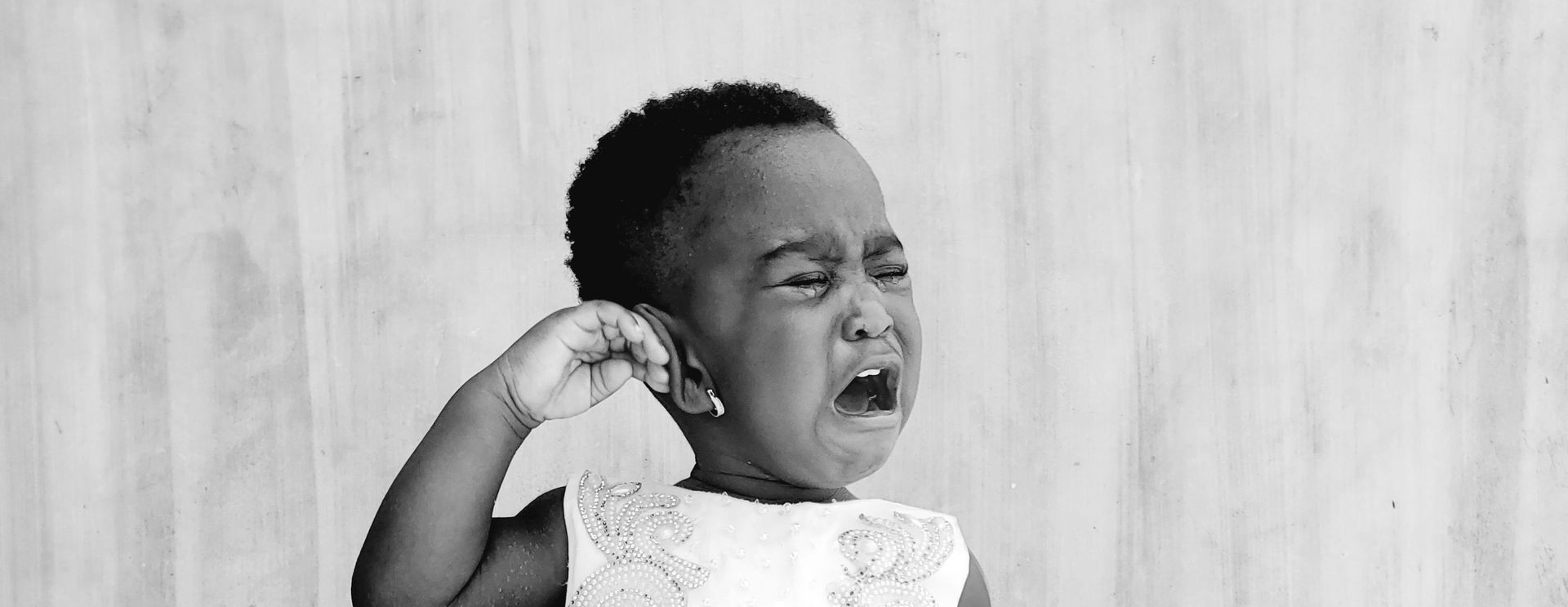
My kid looks at me, dead in the eye, and says, "You're so unfair, I hate this house. I hate you." And there it is. The heat up the back of my neck. The story arrives instantly and fully formed: ungrateful, disrespectful, after everything I do. My mouth is already loading the response that will make him feel as small as I suddenly feel.
But I know this feeling now. I know it is not really about him. When I was his age, I was not allowed to unload my pain out loud. For most the room would have gone cold and you would have paid for it. So you learned to swallow it.
And here is my son, doing the exact thing I was never allowed to do, protesting, pushing back, telling the truth about how it feels to be him. The part of me that never got to do that wants to shut him down for getting to.
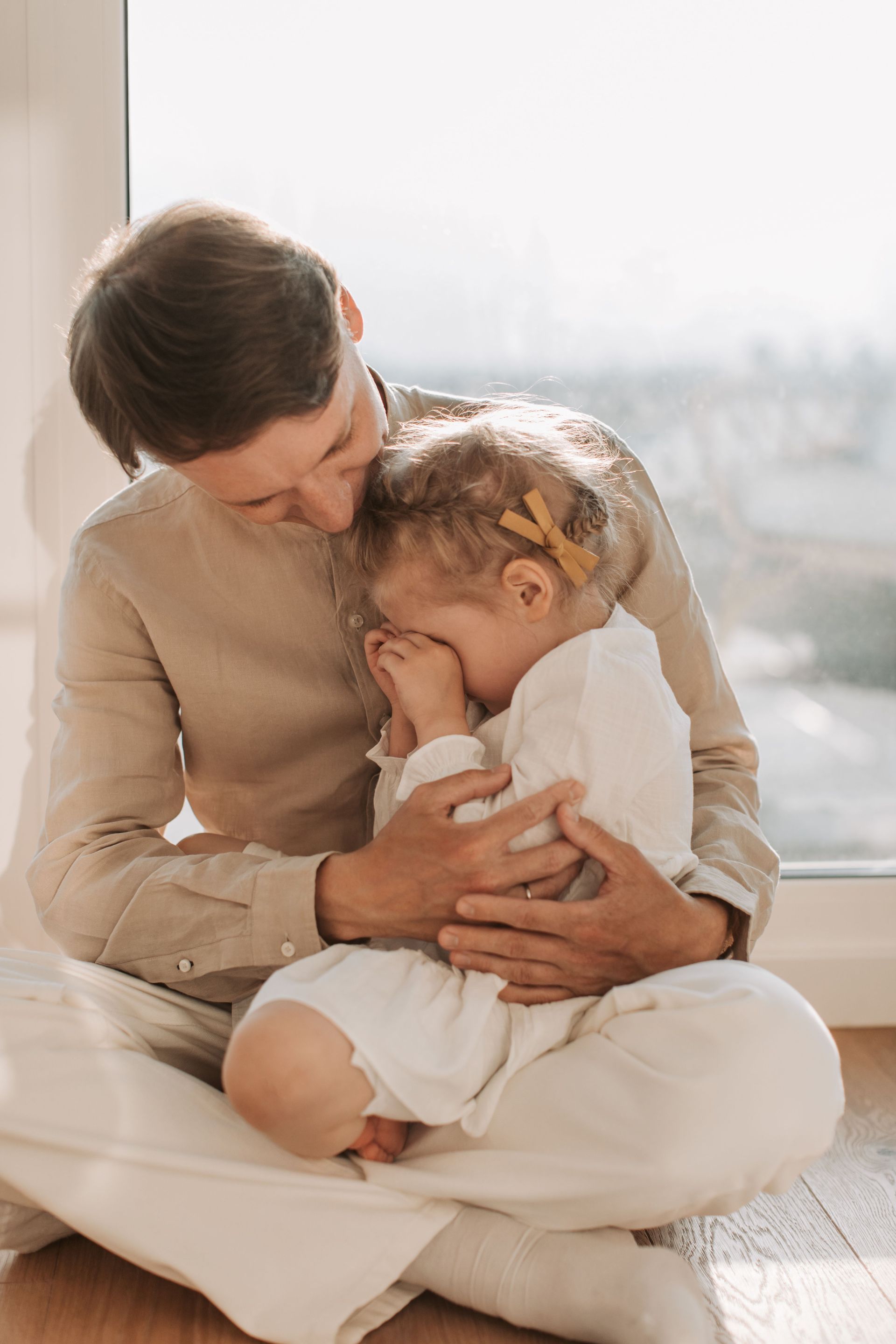
So I breathe. His goodness is still there underneath his mess of words, I see it. I do not need to win, so instead I translate his words through the parts of my own heart that have already healed. I say, "You're really mad at me right now. You think this is unfair. You must feel a lot of anger right now."
And because there is no wall of my shame for it to crash into, the guilt has room to arrive on its own. He feels it and at some point after the storm has past he comes to me and says, "I'm sorry, mom. I'm sorry I said that, I didn't mean it."
And I will say to him something like "I know, buddy. We can work on what to do with anger like that. It feels overwhelming, like you can't stop it, and it feels completely true in the moment. I remember being a kid. I remember people telling me what I could and couldn't do, back when I wasn't in charge of my own life yet. It's hard, and it makes us really angry sometimes being told what to do. It won't always feel like this. Let's write down some ideas for next time, things we can do when we get that angry."
Nothing about him changed in that moment. Everything about me did. That is the work. That is growing up.
Reflection Questions
- Think of the thing your child does that sends you from zero to furious the fastest. If that anger could talk, what wound do you think it would point you toward, and how old does that part of you feel when it shows up?
- Underneath your anger there is almost always a value standing guard, something like respect or safety or fairness or being seen. When you get triggered, which value is it usually protecting, and is that a value you want to keep serving on purpose, or an old reaction you are ready to set down?
- Our kids often do the very things we were never allowed to do, the protesting, the pushing back, the big loud feelings. What did you have to swallow as a child, and how do you feel when you watch your child get to do it freely?
- Where in your own growing up did you run out of safety, and what would it look like to go back and finish that work now, not as a book or a mantra, but as the actual slow practice of growing up?