YOUR CHILD IS ENOUGH
What I see from the mat that I wish more parents knew.
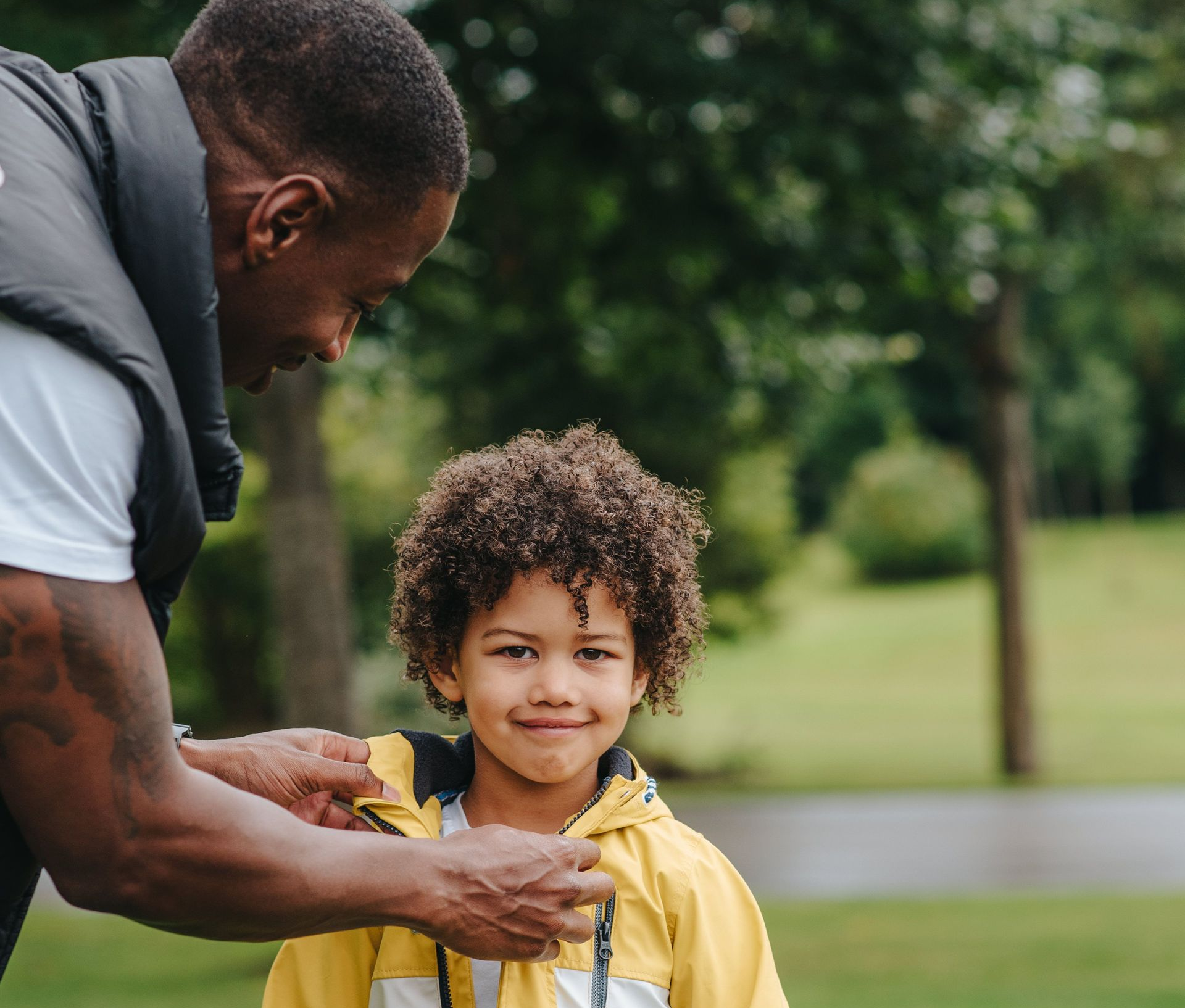
I coach jiu jitsu, and I watch a lot of parents. They love their kids and they want the best for them. And a lot of them, without meaning to, are creating the exact problem they are trying to avoid. They want their child to engage and stick with it. The choices they make on the sideline slowly produce the opposite, less engagement, and eventually quitting.
Here is the story we tell ourselves. If my kid gets a little more competent, they will feel a little more confident. If they feel more confident, they will stick with it. If they stick with it, they will be successful. So we coach from the sideline. We fix the grip, correct the posture, call out the next move before they have a chance to find it. We mean well. And we end up shooting ourselves in the foot.
We live in a culture that loves progress, and it is easy to carry that straight into parenting. We want our kids to grow and reach their potential, so every win gets followed by the next expectation. Somewhere in there we forget that our kids are already enough. We stop enjoying them and start scanning them. We are always looking for what comes next.
That shows up three ways. We coach. We correct. We criticize. They feel like different things. They are the same message in different clothes. Who you are right now is not quite enough.
Coaching
Coaching is the most loving-looking of the three, because it is literally help. It shows up two ways.
One is instructing every move. A kid finds a strange, creative way to play with a toy and we jump in to show them the right way. A kid climbs at the playground and we fill the air with so much instruction that they never get to listen to their own body.
The other is always raising the bar. A baby starts scooting and we coax them toward crawling. A kid finally ties their shoes and we say great, now let's learn to double knot. A kid brings home a B and we ask about the A. They earn their first stripe and we ask when the next one is coming. Every milestone becomes the launch pad for the next, and the kid learns that getting somewhere just means a new bar is already waiting.
Either way, we are trying to make them better. Either way, we are telling them, without meaning to, that we do not trust them to figure it out, and that where they are right now is not a place worth resting.
If your kid is in a sport, here is the cleanest fix. Let the coach coach. If you are worried about how they are developing, come talk to me. That is exactly what I am here for.
Your job in that window is the one thing only you can do, and it is support. Be there to witness them in all their enoughness. Be there to notice what is going right. Be there with a hug when it gets hard or overwhelming. And be there to celebrate the wins they come running to share with you. Be the person who is simply glad to watch them.
Correcting
If coaching is about making them better at something, correcting is about fixing what they just did. And we do it constantly.
A toddler finally talks and we correct how they say the word. A kid tells you something that matters to them and you answer with advice instead of just listening. They get themselves dressed and you point out that the shirt is inside out. They set the table and you slide the forks to the proper side. Every one of these is small. Every one is reasonable. Each one quietly says that what they just did was not quite right.
Say your kid loads the dishwasher and half the bowls are facing the wrong way. You could correct it. You would even be right. But stop and ask what you are actually building in that moment. If the thing you care about is cooperation, and a kid who wants to pitch in, that small fix can cost you more than it is worth.
Most of us are quick to correct. We see the one thing that is off long before we see the ten things that are fine. So try flipping it. Notice six things they are doing right before you reach for the one you want to fix. Most of us have never once done that. It feels almost unnatural at first. Do it anyway.
Criticizing
Criticism is correction with an edge. It is what happens when the fix stops being about the task and starts being about them. The bowls loaded wrong is a correction. "Why can you never do this right?" is a criticism. One points at the dishwasher. The other points at the kid.
It usually slips out when we are tired or stretched thin. The sigh. The clipped tone. The "are you serious right now?" We might not even remember saying it an hour later. They will. Kids do not file criticism under the dishwasher. They file it under themselves. They hear it as a verdict on who they are, and verdicts are sticky.
Death by a thousand cuts
Here is what makes all of this so hard to catch. No single moment seems like a big deal. Each one is small, reasonable, even kind. That is exactly the problem. Coaching, correcting and criticizing are death by a thousand cuts, tiny enough that you never feel yourself making them. Different blades, same wound. The kid lands in the same place. I am not quite enough.
So we never guide them?
Of course we guide them. We do it all the time, and we should. Guiding our kids is part of the job. The question is not whether to guide. It is where the guidance is coming from.
Most of this comes from fear. We are afraid they will quit, or fall behind, or not measure up. But when we parent from fear, our choices tend to create the exact thing we were trying to avoid. The pushing is what makes them pull away. When we let fear be nothing more than information, and then lead from love instead, we give up some control. We also get a kid who surprises us. A kid who surprises themselves.
Guidance that comes from a clear picture of what you are growing feels different than guidance that comes from anxiety. One is patient and it can wait. The other is a reflex to fix whatever is in front of you. Your kid can feel the difference, even if they could never name it. So before you step in, get honest about what you are really after.
None of this means going soft on growth. We will teach our kids to set goals. We will teach them a growth mindset, and that mistakes are where the learning actually happens. We will model doing hard things. We will let them watch us sacrifice for something that matters and chase a dream all the way to the finish. That is the real work, and we never skip it. We just stop confusing it with hovering over every grip, every lump, and every note.
Let where they are just be
So when your child is in the activity, let where they are just be. Notice it without judgment. Look for what is going right. Hold off on improving them in the moment. Give them room to discover, to stumble, to push themselves.
Be pleased with them even when they are dabbling in not trying. Even when they lose focus. Even when they are clearly just going through the motions. I know that is hard. But constant correction gives you more of that, not less.
We do want to teach a growth mindset. We want to model doing hard things. That work is real and it matters. It just does not happen in one practice or one moment. Think in terms of seven years, not seven minutes.
Try to stop correcting
Here is an assignment, if you are up for it. For one week, do not coach them, do not correct them, do not criticize them. Just notice how often you almost do.
You can still set boundaries. A boundary is none of those three. It does not point at what your kid is doing wrong. It just names what happens next.
Here is what each of the three sounds like, and what to reach for instead.
What does coaching sound like? Your kid is at the piano, playing for the joy of it, and you start telling them to keep their wrists up and slow the tempo down, even though you have never played a note in your life. Try this instead. Sit down and listen. "I love hearing you play."
What does correcting sound like? Your kid proudly makes their own bed and you begin smoothing out the lumps. Try this instead. Leave the lumps. "You made your bed all by yourself."
What does criticizing sound like? Two kids are melting down over the same toy and out comes "stop screaming, what is wrong with you two." Try this instead. Name the boundary and skip the jab. "This is getting heated. We are going to take a break before we figure this out."
The bed still gets made. The fight still ends. The piano still gets played. None of it has to land on your kid as one more thing they got wrong.
Your kid is not getting life wrong. They are learning, growing, experimenting, stretching, stumbling, and discovering who they are.
They are enough
Being present is the simplest version of all of this. It does not ask you to look for what could be better or what comes next. It just asks you to slow down and join them where they are, building with blocks, telling a story, or sitting next to them in silence. When you are really there, you are not in the future picturing who they might become. You are here, with the kid in front of you. That says more than any words. You matter because you are here.
Your child does not need to be pushed into being more. They need to be seen as already enough. Look at your kid right now. Not their progress. Not their potential. Just them, in this moment.
They are enough. Give them the room, and watch what they do with it.
Reflection questions
- When I rush my child toward the next thing, whose need am I really answering, theirs or my own?
- What am I afraid it would mean, about them or about me, if I let them be exactly where they are?
- Where did I first learn that I had to keep achieving to feel worthy, and am I quietly passing it on?
- What might my child discover about themselves if, just once, I said nothing and watched?