SHINING OUR LIGHT ON THEIR SHADOW
What it looks like to teach a child to feel.
A healed adult doesn't feel happy all the time. They feel what needs to be felt. Here's how to raise a child who already knows how to do that.
Your Child's Anger Isn't the Problem. What You Do With It Is.
There's a concept in psychology called the shadow.
It's the parts of us we've tucked away. Not because they aren't real, but because at some point we learned they were inconvenient. They made people uncomfortable. They caused someone to pull back their love or approval. A parent who got quiet when you cried. A teacher who told you to stop being so sensitive. A room that shifted when you said you were angry. Nobody had to say it out loud. You felt the withdrawal and you learned. So we pushed those parts down, out of sight, and hoped they'd stay there.
They don't stay there.
They show up sideways. In the way we explode at small things, a spilled drink, a slow driver, a comment that shouldn't have landed as hard as it did. In the way we apologize before we've even said what we feel. In the way we people-please until we're hollow and then resent every single person we smiled at. The shadow doesn't disappear. It just operates without our awareness, running underneath the version of ourselves we've decided is acceptable.
Shadow work is the practice of turning toward those buried parts. Getting to know them. Sitting with them long enough to understand what they were trying to do for you all along. Integrating them so they become allies instead of saboteurs.
Here's the question I want to sit with: what if you had the chance to do that work for your child before the shadow even forms? What if the way you show up in their hardest moments is actually the thing that determines whether those parts of them go underground or stay integrated?
We Are All of It
When you see your child melting down at the grocery store, or folding their arms and going stone-cold silent, or screaming that they hate you, something in you probably wants to say: that's not who you are.
Maybe you've said it. You're kind. You're gentle. You don't act like this.
I understand the impulse. It comes from love. You see this child at their best and you want to call them back to it. But here's the truth underneath that impulse.
We are angry. We are sad. We are joyous, jealous, grateful, and frustrated. We are all of it. That's not a flaw in the design. That's the whole design. The full range is what makes us human. And when we point at one part of that range and say that part isn't you, we aren't protecting our child. We are teaching them to disown themselves.
The work isn't to become someone who doesn't feel those things. The work is to learn how to be with them. How to move through them without harming ourselves or the people we love. That is a skill. It can be taught. But it cannot be taught to a child who has learned to be ashamed of the feeling in the first place.
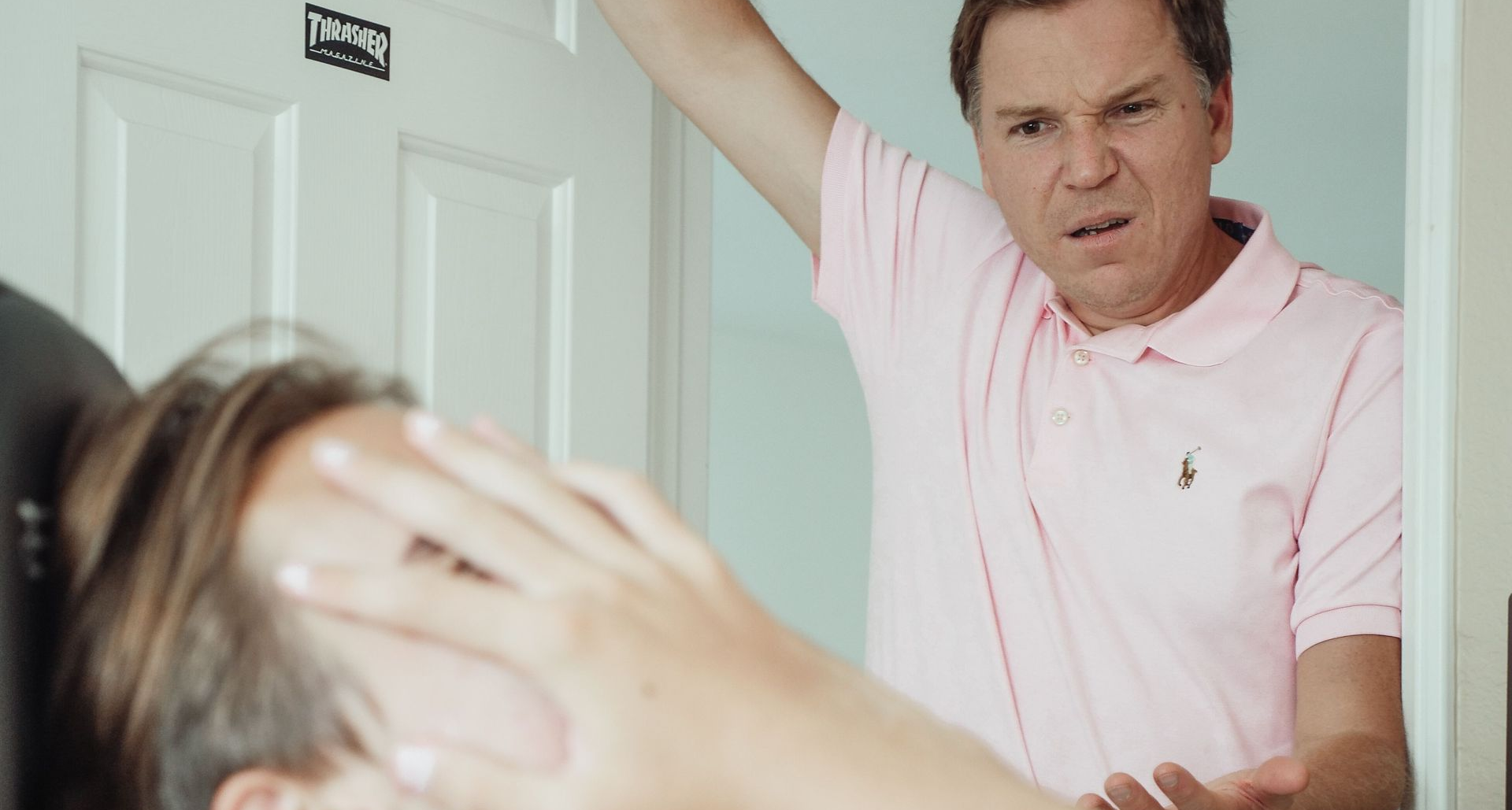
And here's the part nobody talks about. When we do act from those buried parts, when the anger comes out sideways, when we snap at our partner over something small, when we say the thing we swore we wouldn't say to our kid and then watch their face change, we don't just feel bad. We feel ashamed. Like something is wrong with us at the root. Not that we made a mistake, but that we are a mistake.
Think about the last time you really lost it. Maybe you yelled louder than the situation called for. Maybe you said something cutting and watched it land. What came after the moment itself? For most of us it wasn't just regret. It was a verdict. I'm a bad parent. I'm too much. I'll never get this right. That spiral, that self-condemnation, is shame. And shame doesn't help us do better. It just drives the feelings deeper underground, where they build more pressure and come out harder next time.
The Cycle We're Trying to Break
When we tell a child their anger isn't who they are, we aren't just teaching them to suppress it. We are teaching them to be ashamed of it. And we know what that shame grows into because most of us are living it.
We know what it feels like to lose our temper and then spend the next three hours hating ourselves for it. To cry in the car and feel embarrassed that we cried. To want something fiercely, a promotion, an apology, more help at home, and then decide we're too much for wanting it. To feel jealous and immediately tell ourselves we're a terrible person for feeling that way.
That is the shadow in motion. And it started the same way, with someone who loved us telling us, directly or indirectly, that some parts of us were not okay.
Nobody meant to do damage. A parent who said stop crying or I'll give you something to cry about was probably repeating what they were taught. A teacher who said you're being dramatic probably thought they were toughening you up. The intention doesn't change what happened. The message landed: those parts of you make people withdraw. So we learned to withdraw them first.
We became people who said I'm fine when we weren't. Who laughed off the things that hurt us. Who performed calm while quietly falling apart. And then one day we snapped at someone we love and couldn't understand why, because we'd done such a thorough job of convincing ourselves we didn't have anything to snap about.
This is what we are trying to interrupt for our kids. Not by avoiding the hard feelings, but by staying in the room with them. By not flinching. By letting our child see us stay regulated and present in the middle of their chaos, so the message they receive is the opposite of the one we got. Your feelings are not too much for me. You don't have to hide this. I'm not going anywhere.
The Goal Is a Fully Human Child
Parenting isn't about raising someone who is easy to be around all the time. It's about raising someone who knows themselves.
Picture a forty year old who grew up with their anger intact, integrated, understood. They don't fly off the handle, not because they've suppressed the anger, but because they know it well enough to hear it early. They notice when their jaw tightens in a meeting. They know that the irritation rising in their chest is information. It's telling them something matters, that a boundary is being crossed, that they need to say something. So they say it. Clearly, without explosion, without apology.
That person knows their worth. They don't stay in relationships or jobs or situations that grind them down, not because they're combative, but because their anger is their friend. It tells them the truth.
Now picture the alternative. Someone who learned early that anger was unacceptable. Who tucked it away and became agreeable and accommodating. Who said yes when they meant no for so long that they stopped being able to tell the difference. Until one day it came out in ways they couldn't control and couldn't explain, at their kids, at their partner, at themselves.
We want to raise the first person. Which means right now, in the hard moments, we are their guide through the territory. Every time we stay present with their anger instead of trying to shut it down, we are teaching them that this part of themselves is survivable. That it has a place. That it doesn't have to go underground.
What Healing Actually Looks Like
There is a myth about emotional health that we need to name directly.
A healed person does not feel happy all the time. That is not the goal. That has never been the goal. A person who feels happy all the time probably isn't healed. More likely, they're still suppressing something.
What healing actually produces is appropriateness. The ability to feel what the moment calls for. Grief when there is loss. Frustration when something isn't working. Joy when something is genuinely good. Wonder when something is bigger than you. Sadness when sadness is the honest response. The feeling fits the moment, and the person doesn't fight it. They don't dress it up as something more acceptable or push it down because the timing is inconvenient. They just feel it, move through it, and come out the other side.
That capacity, to feel what needs to be felt without shame, without avoidance, without suppression, is what most of us are still trying to build as adults. We are doing it in therapy offices. We are doing it in plant medicine ceremonies. We are doing it in breathwork and somatic work and long conversations with people we trust. It is hard work and it is worth it and it takes years, sometimes decades, because we are trying to undo something that was installed in us before we had language for it.
But here's the thing. Your child doesn't have to start there. They don't have to arrive at thirty-five or forty-five with a backlog of buried feeling and a body that has been storing it all. They don't have to spend ten years in therapy unwinding what could have been prevented. They don't have to find their way back to themselves through psychedelics or crisis or rock bottom.
They can just start now. As a child. In your home. In the moments you think are falling apart.
Every time your child cries and you let them cry, they are practicing. Every time they rage and you stay present, they are learning that the wave has an end and they can survive it. Every time they feel something big and you don't flinch, they are building the thing that takes most of us decades to rebuild. The simple, radical knowledge that feelings are safe. That they move. That they don't have to be managed or hidden or ashamed of.
You are giving them a childhood spent practicing feeling. Riding waves. Coming back to shore. So that when they are adults and the waves get bigger, they already know what to do. Not because they read a book or found the right therapist or had a breakthrough at forty. But because someone stayed with them when they were seven and let them feel it all the way through.
That is the gift. That is the whole gift.
What's Actually In Bounds
This is where it gets practical, and where a lot of parents are working with a map drawn in the wrong direction.
We try to correct behavior that doesn't actually need correcting. The arms folded and body turned away. The heavy dramatic sigh. The refusal to cooperate. The full meltdown in the middle of a public place. We feel embarrassed. We feel like we're failing. We mistake the expression of the feeling for the problem itself.
It isn't the problem. It's the feeling finding its way out.
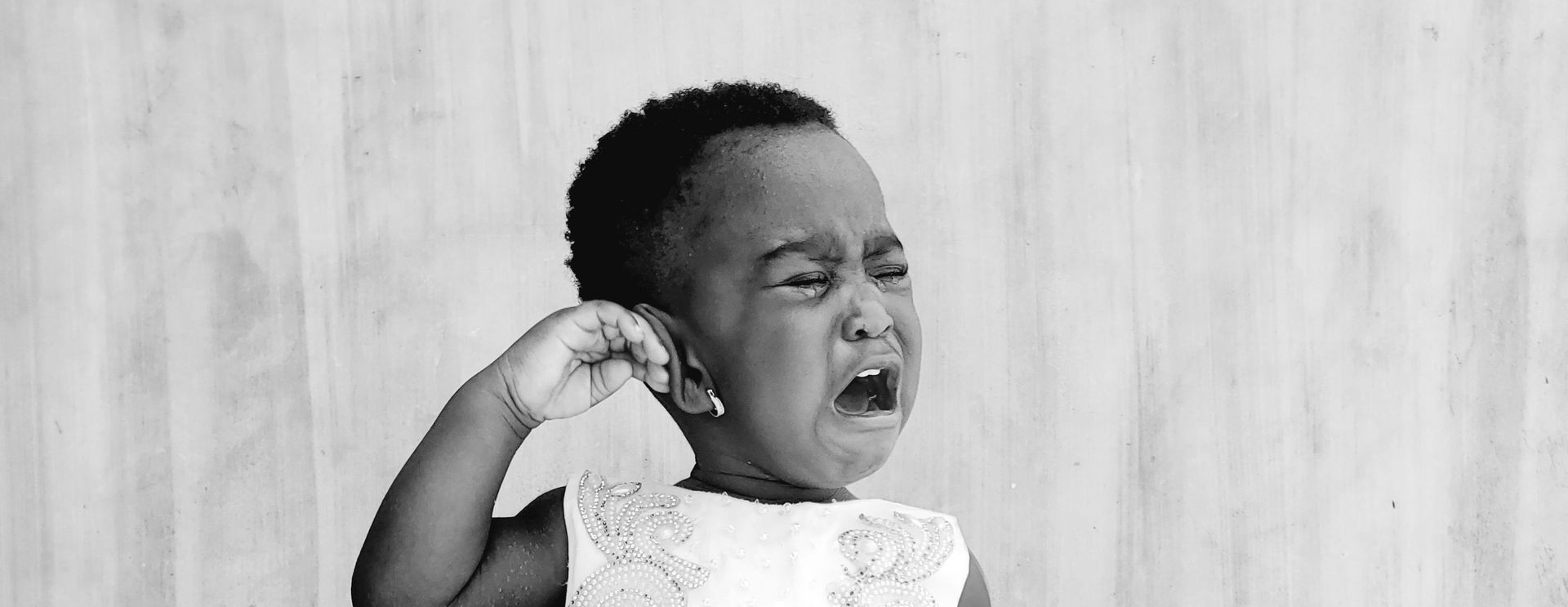
A child who shuts down, who cries, who melts into the floor at Target, they are doing something right. They are letting it out rather than locking it in. Is it inconvenient? Yes. Is it uncomfortable to be the parent of that child while strangers are watching? Absolutely. You can move them to a quieter corner if the space genuinely calls for it. But be honest about who you're doing that for.
You don't owe the world a composed child. You owe your child your patience, your presence, and your compassion.
The child who never melts down publicly is not necessarily a child who has learned emotional regulation. They may simply be a child who has learned that their feelings are not safe to show. Those feelings go somewhere. They go into the body, into anxiety, into people-pleasing, into a short fuse at twenty-five that nobody saw coming.
There's also a gray zone and it's worth being honest about how hard this part is. The slammed door. The words that come out sharp and cutting. I hate you. You're the worst mom. I don't want to be in this family. This is harder to hold, and we'll get to what you do with it in the moment below. The truth is you won't always get there in time to stop the door. You won't always have the right response fast enough for the words. Your nervous system will get activated. You will sometimes say something back that you wish you hadn't.
And that's okay. This behavior gets shaped slowly, in the moments of connection, not in the middle of the storm. The teaching happens later, never during. After things have settled, when you're both regulated, that's when you come back to it. Not with a lecture. With curiosity. When you're feeling that angry, what do you think would help? And you model repair. When you get it wrong, you go back. You say I'm sorry I raised my voice, you didn't deserve that. And over time, you start to see them do the same. They come back after. They say sorry. Not because you forced it, but because they've watched you do it and they know that's how people who love each other treat each other.
What Is Out of Bounds
The question at the heart of all of this is: what is a healthy way to express anger/frustration/grief (or any emotion that is difficult to witness)? And the answer is simpler than we make it. A healthy expression of anger doesn't hurt others, doesn't hurt themselves, and doesn't hurt things. That's the whole boundary. The volume, the tears, the stomping, the inconvenience, all of it is in bounds. Hurting people and things is not.
We hold that boundary firmly. But we hold it with minimal force and without aggression. There is a difference between stopping a hitting hand and grabbing an arm in anger, and your child's body knows the difference even when they can't name it.
When a storm is fully underway, your job is simpler than it feels. Most of what we want to do in that moment, reason with them, get them to see our perspective, teach the lesson, extract an apology, none of it is available. The brain in that state cannot access any of it. So we let go of all of that and we hold the boundary three ways.
Keep yourself safe. Hold hands that are hitting. Move your body out of reach of biting or kicking. You are allowed to protect yourself and you should.
Keep your child safe. If they are hitting their own head, hold it gently. If they are pulling their own hair, softly stop them. Stay close enough that they know they are not alone in this. And if there's a sibling in the line of fire, you protect them too. You step between, you move the brother or sister out of reach, calmly and without commentary. Protecting one child from another is not punishing the feeling. It's keeping everyone safe while the feeling moves through.
Keep the space safe. Keep the space safe. Catch the chair before it goes. Move the lamp. Step in front of the thing that could break or cause harm. This one matters more than it looks. If we choose not to put boundaries around the destruction of things, we leave room for the ante to keep going up, until the destruction gets out of control and we're forced to stop them anyway, usually with more force and less calm than anyone wanted. But when we prevent and block firmly, with minimal force, consistently, they know what to expect. The boundary becomes predictable, and predictable is safe.
And what about words? I get it, words hurt, and kids have a way of making things land right where they sting the most. But here's the honest truth: words are not a boundary we can hold. We can stop a hitting hand. We can catch a chair. We can't force a mouth closed, and trying to is its own kind of harm. So this is where the learning is slower. Slammed doors, harsh words, helping a kid make a different choice in the heat of the moment, this takes time, and the teaching happens later, in the calm, not in the storm. That doesn't mean you do nothing in the moment. If their words are landing on someone else, a sibling, a grandparent, a kid at the park, work to get them somewhere more private. Not as punishment, just as protection. And if the words are landing on you, translate them. Underneath 'I hate you' is 'I'm hurting and I don't know what to do with it.' Hold on to knowing their goodness and speak to what's underneath: "You must really be hurting to say that to me. I'm a strong mama. I'm still here." You don't absorb the words as truth and you don't punish them as crimes. You hear them as the sound of pain, and you stay.
Beyond those things? Welcome the displeasure. Be patient. Let it move through. Your presence, steady, unshocked, not retaliating, is the whole intervention. You don't need the right words. You don't need a strategy. If words help you stay grounded, keep them small. You're really angry. I'm right here. That's enough. Anything more is for you, not for them.
And while you hold all of this, hold yourself too. Maintaining the boundary requires maintaining your own regulation, and if you've lost it, your first job is to pause and find it. Your own body will want to match their storm. So plant your feet. Slow your breathing. Drop your shoulders. You're allowed to say less than you think you should. You're allowed to just stand there and breathe. Staying calm isn't something you perform with your face. It's something you do with your body, and your child's nervous system can feel the difference.
You are showing them something they will carry for the rest of their lives. Big feelings don't have to be met with abandonment or force. The people who love you don't leave when you're at your worst. You are still held, even in the middle of the worst of it.
That is how the shadow doesn't form. Not by avoiding the dark, but by being with your child inside it, so they learn it isn't something to be afraid of.
The Invitation
An integrated adult knows their anger is a best friend. It tells them something true. It shows up on their behalf. It says this matters and you matter and don't let this go. It says there is a boundary being crossed here.
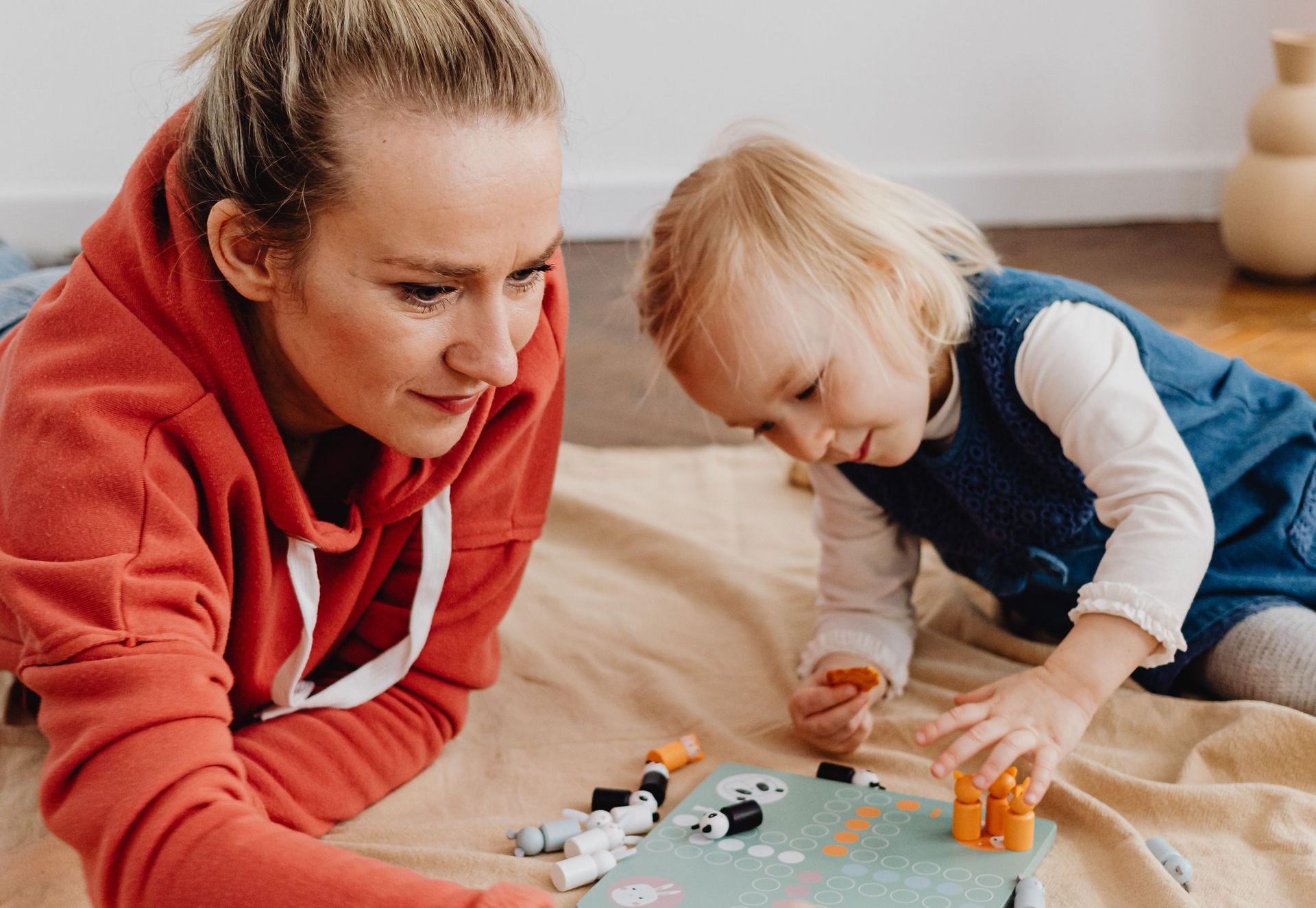
You have the chance, right now, in the ordinary hard moments of parenting, to be the reason your child grows into that person. Not through a curriculum or a script, but through your presence. Through the way you stay. Through the message your body sends when everything in you wants to shut it down and you choose to stay open instead.
Welcome the rage. Hold the boundary gently. Stay.
Reflection Questions
- Think back to your own childhood. Which feelings did you learn were inconvenient, the ones that made a room go quiet or pulled someone's love back a little? Where do you notice those same parts still operating in you today, coming out sideways when you least expect them?
- When your child is at their angriest or most shut down, what's the story you tell yourself in that moment? Is it closer to "this isn't who they are" or "this is them showing me something real," and how does that story shape what you do next?
- The post draws a line between feeling bad about a mistake and feeling like you are a mistake. After the last time you lost it with your kid, which one did you land in? What would it change if you could meet your own hard moments with the same patience you're trying to offer them?
- Picture your child at forty, with their anger intact and integrated, using it to tell them the truth about what matters and where their boundaries are. What is one ordinary moment this week where staying present instead of shutting it down would be a small deposit toward that person?