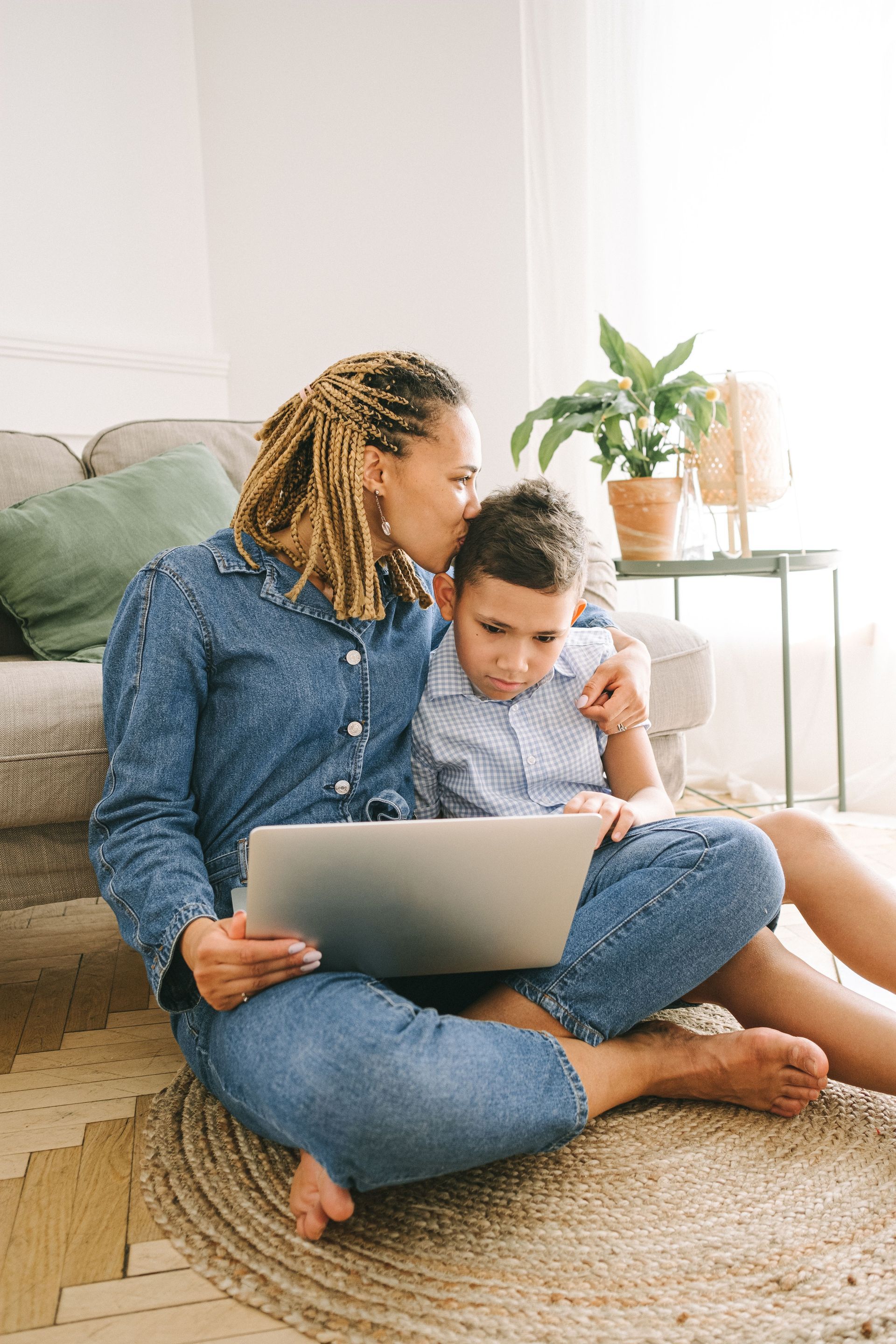
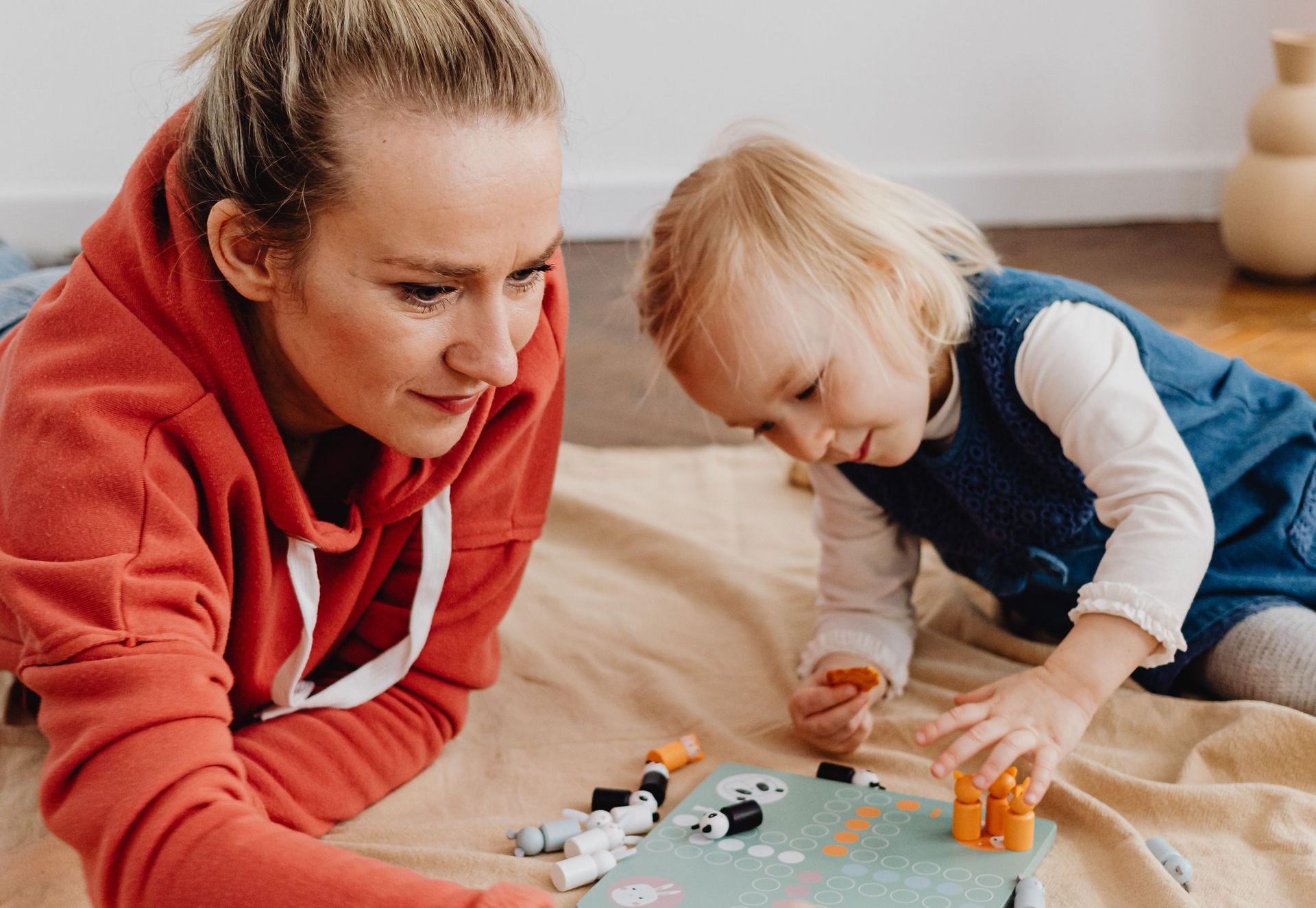
YOU CHANGED THE APPROACH. BUT DID YOU CHANGE WHAT YOU'RE AFTER?
When the tools are gentler but the goal is still control, children feel the difference.
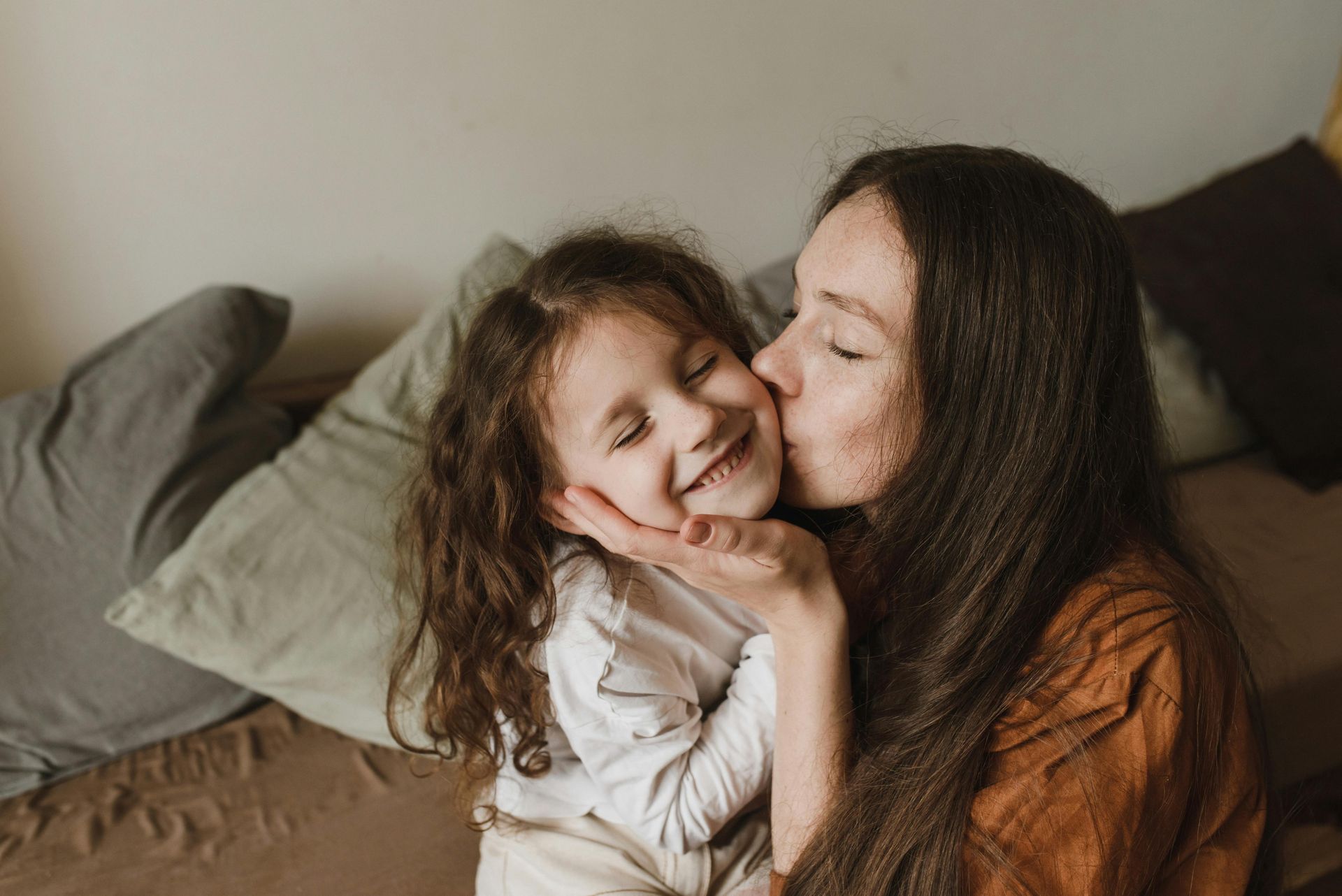
Most of us discover gentler parenting and genuinely want it, then quietly use it to get the same thing we always wanted: an easier child
Most of us came into parenting with a clear sense of what we didn't want to repeat. We remembered what it felt like to be shamed. To be criticized in ways that stayed with us. To be punished, sometimes physically, and to feel small and afraid and alone in it. We carried those memories into adulthood and made a quiet promise: not like that. Not to my child.
So we came in wanting warmth. Wanting closeness. Wanting a relationship where our child actually felt safe with us, where they knew they could come to us, where love wasn't conditional on good behavior. Those intentions were real. They still are.
And then our child digs in.
They assert themselves. They refuse. They argue back, push the limit, melt down over something that seems impossibly small, or look us in the eye and say no with their whole body. And something shifts in us. It doesn't feel like a child developing their autonomy. It feels like a threat. It feels like losing ground. It feels, if we're honest, a little like chaos, and we were not built to tolerate that feeling for long.
So we reach for control. It happens fast, often before we've had a chance to think. The tone changes. The grip tightens. We may not shame the way we were shamed or punish the way we were punished, but we are managing, maneuvering, pushing back, trying to get our child to comply so that we can feel okay again.
Then we feel guilty. We learn better tools. We stop yelling and start validating. We get curious instead of reactive. We read the books, take the courses, shift the language. And those approaches are genuinely better. But if we haven't examined what we're actually after, we find ourselves using gentler methods toward the same old goal: getting our child to do what we want, feel what we can manage, and be who is easiest for us to parent.
The strategy changed. The intention didn't. And children feel the difference.
Connection offered in service of compliance is not real connection. It's a tactic. And on some level, even young children know when they're being handled rather than met.
This is where most parenting approaches quietly stall, not because the tools are wrong, but because they're being applied to the wrong problem. The goal was never an obedient child. It was a child who feels safe enough to grow.
What children need before anything else
Before a child can learn to regulate their emotions, they need to feel safe. Before they can hear your redirection, they need to feel connected to you. Before they can build skills, cooperate, and move through the world with confidence, they need their core emotional needs met. Not some of them. The real ones, the ones that don't show up on a report card but shape everything underneath it.
These are not soft extras. They are core emotional needs, and they function like oxygen. When they're met, children can grow. When they're not, all the energy that could go into learning, developing, and practicing goes into survival instead.
A child who doesn't feel safe doesn't need better consequences. They need safety. A child who doesn't feel connected doesn't need a clearer rule. They need connection.
Meeting your child's core emotional needs does not mean your child will be easy. It does not mean they will be happy all the time, agreeable, or quick to cooperate. What it means is that they feel safe. Safe enough to say no. Safe enough to fall apart. Safe enough to push back, resist, explore, assert who they are, and bring you their worst without fear of losing you. A child who melts down in your presence, who tests the edges, who comes to you with their hardest moments, is often a child who trusts that you can hold it. That is the foundation. Skills get built on top of it. Cooperation grows out of it. But you cannot get there by skipping it.
Those needs have names. Connection, affection, unconditional love and acceptance. Validation, appreciation, a felt sense of security. Opportunities to grow, to matter, to be trusted, to be understood. The freedom to develop independence and autonomy. And underneath all of it, belonging: the quiet, unshakeable knowledge that they have a place in this family that nothing they do can take away.
When those needs are genuinely met, something shifts. Not because the child becomes easier, but because the relationship becomes real. And a real relationship is something a child can grow inside of.
Control is not the same as connection
Many of us were raised to think that good parenting meant managing behavior. Keeping kids in line. Making sure they did what they were supposed to do. And so, when we became parents ourselves, that's often what we reached for: ways to get compliance, minimize disruption, and stay in charge.
The problem with that goal is not that it's wrong to want your child to behave. The problem is that when control becomes the point, connection becomes a tool in service of it. We offer empathy to get the crying to stop. We spend time together to earn cooperation. We validate feelings so that bedtime goes more smoothly. The child is not wrong to sense when that's what's happening. They feel it. And they pull away, not because they don't want connection, but because the connection they're being offered doesn't feel real.
Real connection doesn't have an agenda. It isn't deployed to produce a result. It is simply the ongoing experience of being seen, accepted, and cared for, not for what you do, but for who you are.
When that is the foundation, children don't need to be managed nearly as much. The cooperation that felt like something we had to extract starts to come more naturally, because the child is operating from a place of security rather than a place of trying to survive the relationship.
What fear is costing us
Most of the controlling moves we make as parents come from fear. Fear that our child is falling behind. Fear that they're developing habits we won't be able to break. Fear that if we don't stay on top of it, something will go wrong that we can't undo. Fear that someone will look at our child and see our failure.
That fear is understandable. Parenting carries enormous weight, and we feel it.
But fear pulls us toward pressure and control, not toward the relationship our child actually needs. And the harder we grip, the more the thing we're holding pushes back or shuts down.
Fear asks: what does this mean? What if they never? What if I've already missed my chance? Love responds more quietly: they are good. They are safe to feel, to learn, and to grow. They will find their way, and I will be here while they do.
Choosing to parent from trust instead of fear is not naive. It is not giving up. It is recognizing that the long game of parenting is not about compliance. It's about relationship, and about the kind of person your child is quietly becoming inside of it.
Skills built on a real foundation
This doesn't mean structure doesn't matter. It doesn't mean limits are optional or that your child's emotional needs are the only needs in the room. You matter too. Your presence, your own inner life, your regulation, your growth, all of it shapes what your child has to work with.
What it means is that the order matters. Meet the emotional need first. Then the skill can land. Then the limit can actually teach something rather than just provoke something.
A child who feels safe and connected can hear "that's not okay" without it crumbling them. They can sit with a consequence without it becoming evidence that they are bad. They can disagree with you, and have it feel like a disagreement, not an abandonment.
That's what we're building toward. Not a perfectly behaved child, and not a conflict-free home. A relationship strong enough that the hard moments don't destroy it, and a child who grows up knowing, without having to wonder, that they are seen, they are loved, and they belong.
Everything else we're trying to teach them gets built on top of that.
Understanding What Your Child Needs
These are the core emotional needs underneath the behavior. They are not abstract concepts. They are the daily, lived experiences that tell a child whether they are safe, seen, and loved. Understanding each one is the first step toward knowing where to focus your attention.
Connection
Children need to feel genuinely close to the people raising them. This means quality time, active listening, and being present in their lives in a way they can feel. A strong connection helps a child feel secure, loved, and supported.
Affection
Physical warmth and verbal expressions of love matter deeply. Hugs, high-fives, and simple words of appreciation communicate to a child that they are valued. Affection shown consistently creates the nurturing environment children need to thrive.
Unconditional love and acceptance
Children need to know they are loved regardless of their behavior, their mistakes, or who they are as a person. This is especially important in the hard moments. When things are difficult, they need to hear: this is hard, we will get through this together, and I love you just as much right now as I do in the easy times.
Validation
A child needs to feel that what they think and feel is real and worthy of respect. When we listen without dismissing, acknowledge their emotions, and respond with genuine empathy, we help them develop a healthy sense of self-worth and the confidence to express themselves honestly.
Appreciation
Children need to feel seen for what they contribute, as a family member and as a person. Recognizing their efforts, acknowledging their character, and expressing gratitude for who they are helps them feel valued and builds their confidence over time.
Security
Children are wired to need safety, both physical and emotional. Consistent routines, clear boundaries, and a parent who responds predictably and warmly all contribute to a child's felt sense of security. When they feel safe, they can explore, learn, and grow.
Growth
Children need room to develop. This includes education and new experiences, but also the chance to explore their interests, try and fail at things, and build their own skills and sense of direction. Growth requires opportunity and the freedom to stretch beyond what is already comfortable.
Importance
Every child needs to feel that they matter simply because they exist, not because of what they do or how well they behave. Their presence makes the family whole. When a child carries this sense of inherent importance, it becomes the quiet foundation of their self-worth throughout life.
Trust
Trust is built when a parent is predictable, honest, and non-reactive. Children need to know how we will respond before we respond. They need to be able to bring us their mistakes and hard moments without fear of judgment or punishment. A trustworthy parent creates a safe space for a child to be fully themselves.
Empathy
Children need to feel understood. When we listen without judgment, name what we see them experiencing, and respond with genuine care, we communicate that their inner world matters to us. Empathy does not require agreement. It only requires presence and a willingness to truly hear.
Independence
Independence is the practical side of growing up. It means allowing children to do things on their own, to struggle with a difficult zipper or a hard problem, and to develop the self-sufficiency that comes from working through challenges without someone stepping in too quickly. It grows through practice and room to try.
Autonomy
Autonomy is about ownership over one's own choices, preferences, and sense of self. When we allow children to choose their own outfit, decide how they want to spend free time, or express themselves in ways that are true to who they are, we help them develop self-awareness, confidence, and trust in their own judgment.
Belonging
Every child needs to feel they have a genuine place in their family and community. Belonging means being accepted for who they are, not for what they do. It is the knowledge that they are wanted, that they would be missed, and that they are an irreplaceable part of something larger than themselves.
Meeting your child's core emotional needs is not a destination you arrive at. It is something you return to, again and again, across different seasons and different versions of your child. What matters is not that you get it right every time. What matters is that you keep paying attention, keep asking the hard questions, and keep choosing the relationship over the easier reach for control.
Reflection Questions
- What fears are driving my parenting choices right now, and what would it look like to respond from trust instead?
- Do my children experience our relationship as real, or does connection show up mostly when I need something from them?
- What does my child need to feel before they can actually hear what I'm trying to teach?
- Of the core emotional needs described, which needs would you like to prioritize and set intentions around meeting in this season of life?