WHAT TO DO WITH BAD ATTITUDES AND BAD MOODS
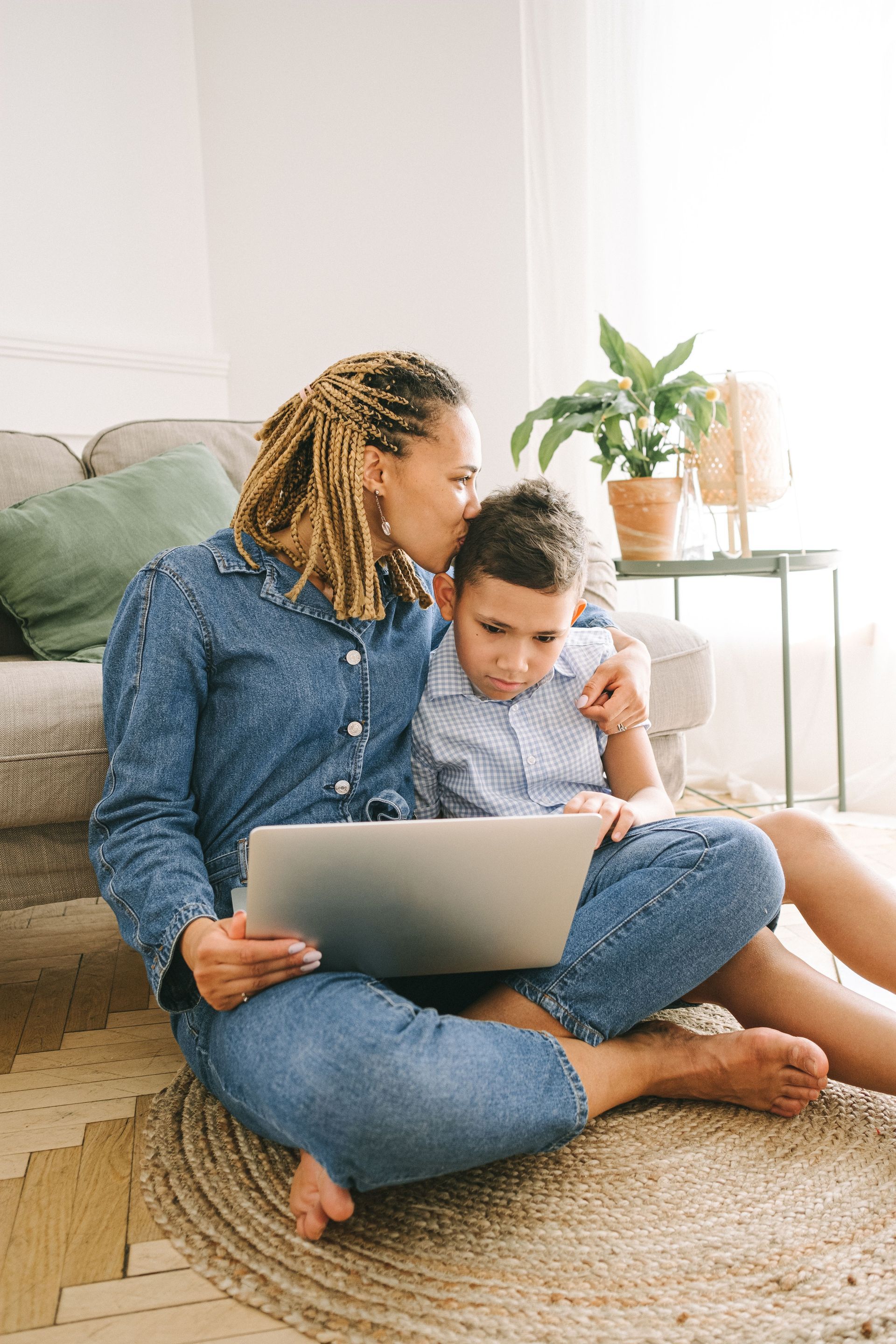
Welcoming the Whole Child
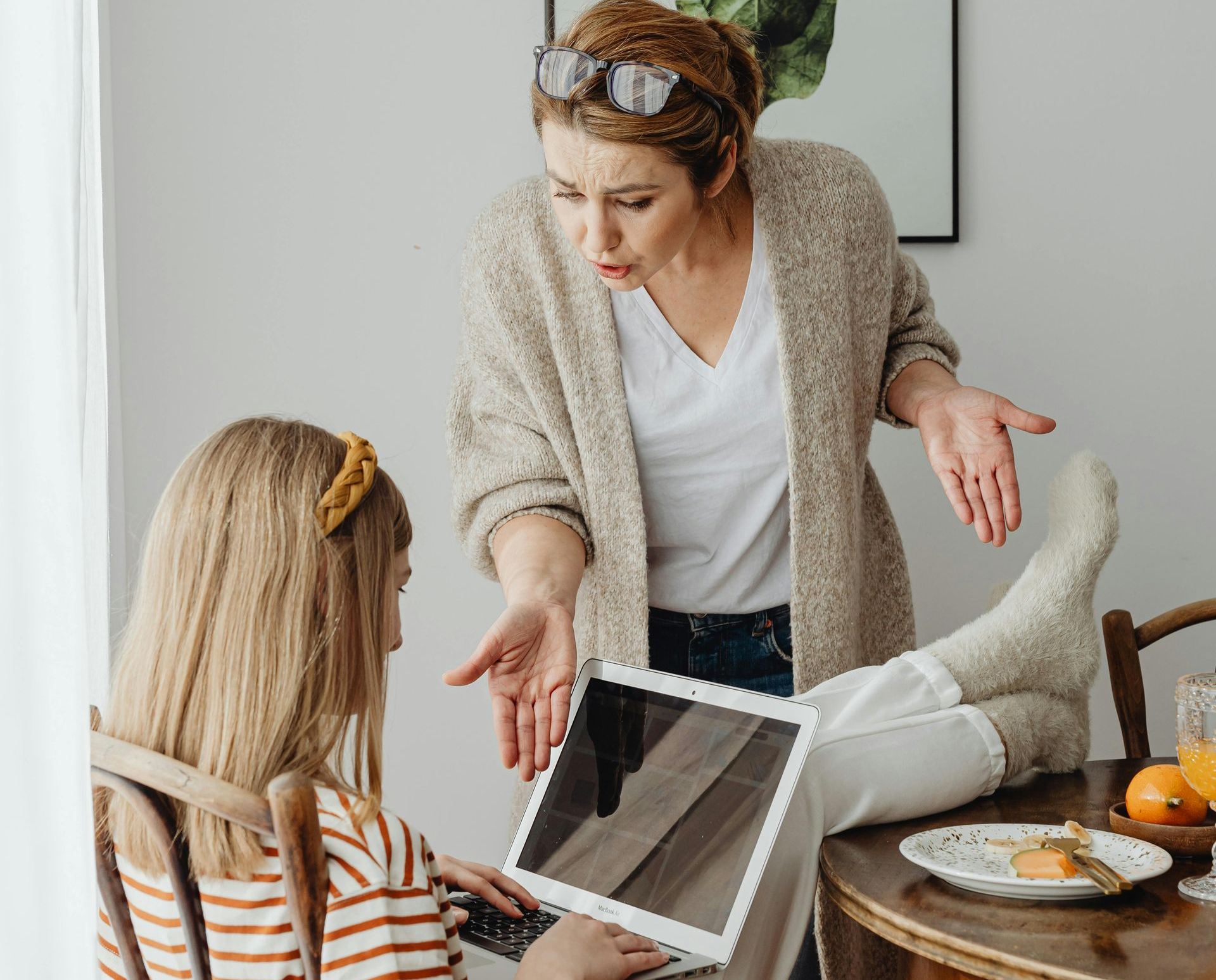
The Absurdity of Setting Boundaries on Moods and Attitudes
“One of the most ironically counterintuitive twists of parenting is this: the more we welcome our children’s displeasure, the happier everyone in our household will be.” — Janet Lansbury
It sounds backwards. We tend to believe that if we allow bad moods, we will create more of them. We assume that tolerating grumpiness reinforces it. We think that if we do not correct attitude quickly, it will spread through the house. We believe that our job is to eliminate the negativity.
But what if the real fuel for escalation is not the mood itself? What if it is the rejection of it? What if every time we rush to fix, lecture, minimize, shame, or shut it down, we are not reducing future bad moods, we are interrupting emotional growth?
We often try to set boundaries around moods themselves. Be respectful. Change your attitude. Calm down. Stop being negative. But moods are internal experiences. They are not behaviors. And setting boundaries on an internal state is like trying to set boundaries on the weather.
It is not enforceable.
The Emotion Is Welcome. The Behavior Is Not.
If we are not setting boundaries on moods, then what are we setting boundaries on? Behavior. There are three non negotiable boundaries during emotional storms: no hurting others, no hurting yourself, and no hurting things.
Anger is welcome. Violence is not. Annoyance is welcome. Destruction is not. Frustration is welcome. Self harm is not.
We hold these boundaries with effective but minimal force. Never with violence and never by matching their emotional intensity with our own. If a child throws something, we calmly block and say, “I won’t let you throw that.” If they try to hit, we gently stop their hands and say, “I won’t let you hurt me.” If they are flailing, we move objects out of reach and reduce stimulation.
We regulate first. We use the least amount of force necessary to maintain safety. Our steadiness becomes containment. Our calm becomes the boundary.
Let’s Get Real for a Minute
You might find yourself saying to your child time and again, “You’re allowed to be mad, but you are not allowed to be rude.” Or, “You’re allowed to be frustrated, but you are not allowed to throw things.” That sounds healthy. That sounds regulated. That sounds like we are welcoming emotion and guiding behavior.
But let’s get extremely honest. Are your child’s emotions actually welcome, or are we hiding behind their behavior?
We say we do not mind the anger. We mind the lashing out. And of course we mind the lashing out. That is why we hold boundaries.
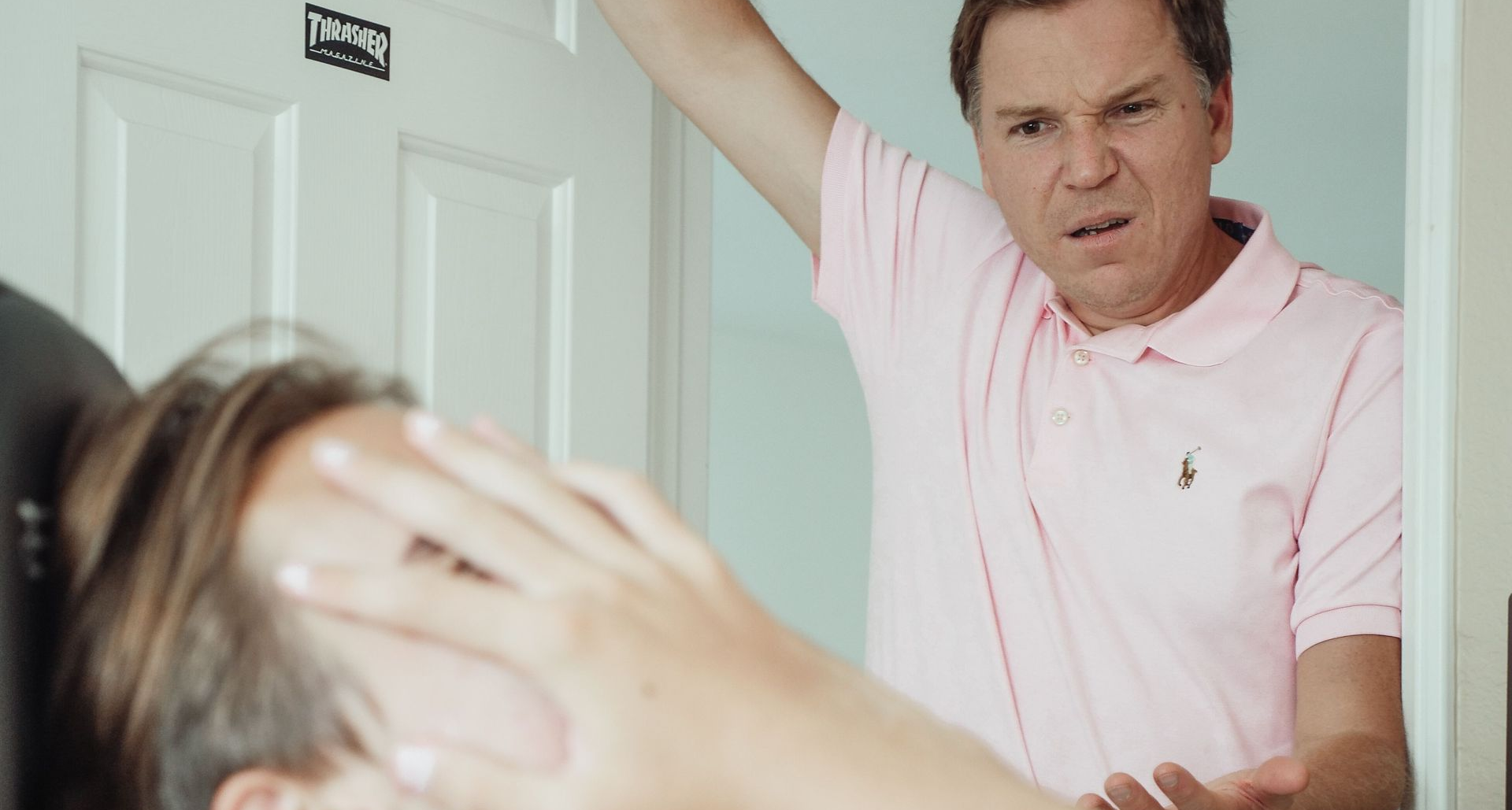
But in reality, it is more than likely that we mind the anger too. We mind knowing our child is angry. We are affected by the huffing, even when huffing is regulating. We mind the stomping, even when stomping is discharge. We mind the loud exhale when yelling is a nervous system release. We mind the shutting down. We mind the silence. We mind the anger pointed toward us, because that does not feel good.
The truth is, we mind. Uncomfortable emotions are hard to welcome. They stir something in us. They activate our own nervous system. They disrupt the peace we were hoping for. It is easier to say, “Change your attitude.” It is harder to sit in the discomfort and remain steady.
Parents often tell me, “I can tolerate anger. I can tolerate frustration. But then they start screaming at me.” And I gently respond, I did not say tolerate. I said welcome.
Welcoming means you are not bracing. You are not subtly signaling that this emotion is too much. You are not waiting for it to end so everything can return to normal. Welcoming is hard. You will doubt yourself. It will not work quickly. But it may be one of the greatest gifts you give your child.
Bad Moods Are Information
We might be tired of our child’s relentless bad moods. But the existence of them tells us something important. Our child is still learning something. Learning to tolerate frustration. Learning to sit with disappointment. Learning to survive being misunderstood. Learning to move through discomfort without losing connection.
Often what we call a bad mood is not the primary emotion. It is secondary. Under irritability may be disappointment. Under defiance may be embarrassment. Under anger may be sadness. Under withdrawal may be loneliness.
When primary emotions are not allowed, they do not disappear. They intensify. They harden into something louder. If disappointment is dismissed, it can become irritability. If sadness is minimized, it can turn into anger. If frustration is shamed, it can escalate into defiance.
Sometimes the bad mood grows not because of the original feeling, but because the child feels unseen in it. When a child senses that their feelings are inconvenient, their nervous system shifts into protection. Escalation is often protection. When a child senses that their feelings are allowed, the protest softens over time.
Children are human. They will have moods. But when belonging is stable and emotions are welcomed, many secondary escalations fade.
Shadow Work in Real Time
This goes deeper than behavior. It goes deeper than regulation. This is shadow work.
Our shadow is formed when parts of us are rejected. When certain emotions are labeled as too much, too loud, too dramatic, too angry, too sensitive, those parts do not disappear. They go underground. They become hidden. They become the shadow.
As adults, much of our growth is shadow work. We identify the parts of ourselves we were taught to suppress. We learn what role those parts were trying to play. We begin to understand that even the parts we dislike were originally trying to protect us.
Anger, for example, is not the villain. Anger is an alarm. It tells us when something feels unfair or unsafe. Its role is to alert us. It is not meant to drive the car. When anger becomes the driver, we create damage. But when anger alerts us and other grounded parts of us decide what to do next, it becomes wisdom.
The same is true for jealousy, fear, sadness, and defensiveness. Every emotion has a role. Every part has a purpose. The problem is not the existence of the part. The problem is when we exile it or let it run the system.
This is the same work we do as adults. We identify our shadows. We learn what they are doing that is not serving us. We understand their original purpose. We reintegrate them into the whole.
Parenting gives us the opportunity to do this work in real time with our children.
When we accept and welcome all the parts of our child, we prevent those parts from going underground. When we shine light where there could have been shadow, those parts remain integrated. We teach each emotion its role.
We teach anger that it can alert but not attack. We teach sadness that it can soften but not isolate. We teach fear that it can protect but not paralyze.
When we reject a part, it becomes shadow. When we welcome and guide a part, it becomes integrated strength.
In this way, parenting is shadow work. Not just for our child, but for us. We become the light that allows every part to exist without exile. We guide the parts instead of suppressing them.
And over time, our child grows up whole.
Boundaries on Effort and Mood
We do the same thing with effort and attitude. We begin with a simple boundary. You have to do it. Then slowly we add more. You need to try hard. You need to do it with a happy heart. Put a smile on your face. Without realizing it, we shift from holding a boundary on behavior to trying to control the emotional experience underneath it.
But how can we dictate how hard another human truly tries? How can we enforce enthusiasm? How can we require a happy heart? We cannot. We can enforce behavior. We cannot enforce internal state.
For example, I ask my son to get on the mat because I want him to have a baseline level of jiu jitsu. Just like he must attend school, learn to read, and learn to swim, I believe he should have foundational skills. So my boundary is simple. One class per week. He shows up. That is the boundary.
What he feels once he is there is his internal world. He may feel excited. He may feel neutral. He may feel irritated or tired. He may not have a happy heart that day. That is allowed. We can require attendance. We cannot require joy. We can require participation. We cannot require enthusiasm.
When we demand emotional compliance, we risk teaching performance instead of growth. A child can fake positivity. They can put a smile on their face. They can comply while disconnected. But underneath, they may learn that certain parts of them are unacceptable. If the cost of compliance is self rejection, the price is too high.
Influence What You Cannot Enforce
This does not mean we abandon influence. It means we influence wisely.
We influence during connected moments. In the car. At bedtime. On a walk. Not in the heat of the struggle, but when nervous systems are calm and connection is intact. We influence without agenda. Not to win a point or correct a flaw, but simply to plant seeds.
We might read stories that teach character and perseverance. We might journal together to build awareness around what they felt and how they showed up. We might share our own stories of times we did not feel like showing up and the mindset shift that helped us grow. We might say out loud, “I am not in the mood, and I am still choosing to show up,” so they can hear what self leadership sounds like.
We normalize resistance instead of shaming it. We acknowledge that it is human to not feel like doing hard things. We teach after connection returns, not in the middle of the struggle, because teaching does not land when a nervous system is activated.
We protect their internal world while guiding their external behavior. We hold boundaries on what we can enforce. We influence what we cannot.
Growth happens in honesty, not in forced smiles.
We Practice Feeling to Get Good at Feeling
No one becomes emotionally strong by avoiding emotion. We become emotionally capable by experiencing emotion safely and repeatedly.
Emotional literacy is not a lecture. It is practice. And practice requires reps. Every time your child is allowed to be in a bad mood without shame, that is a rep. Every time they feel anger and are guided instead of punished, that is a rep.
Reps build capacity. Avoidance, force, suppression, or constantly fixing the problem builds fragility. If emotional resilience is the goal, then bad moods are not interruptions. They are training opportunities.
When emotions are shamed or exiled, they go underground. When they are welcomed and guided, they integrate. Integrated humans make wiser choices.
The Truth
The more displeasure we welcome without fear, the less it needs to escalate. The more emotional capacity a child builds, the less reactive behavior we see over time.
You do not need to eliminate bad moods from your home. You need to create a home strong enough to hold them. When every mood has a safe place to land, connection stabilizes. When connection stabilizes, regulation improves. When regulation improves, behavior softens.
You will not create a house full of negativity. You will create a house full of honesty.
Growth happens in honesty, not in forced smiles.
Reflection Questions
- When my child is in a bad mood, what actually gets activated in me, and how does that influence the way I respond?
- Do I truly welcome my child’s difficult emotions, or do I subtly signal that certain feelings are inconvenient or unacceptable?
- Where in my own childhood was I taught to hide or suppress parts of myself, and how might that be shaping the way I react to my child’s moods?
- If growth happens in honesty, what would it look like in my home to protect emotional truth while still holding clear behavioral boundaries?