WE ARE RAISING DISCIPLES, NOT OBEDIENT CHILDREN
Discipleship Builds the Person, Not Just the Behavior
There is a quiet but powerful distinction that changes everything about how we parent. We are not raising obedient children. We are raising disciples.
At its core, discipleship simply means this: someone who learns by watching, practicing, questioning, and internalizing a way of being. And that is very different from obedience.
Obedience Is About Control
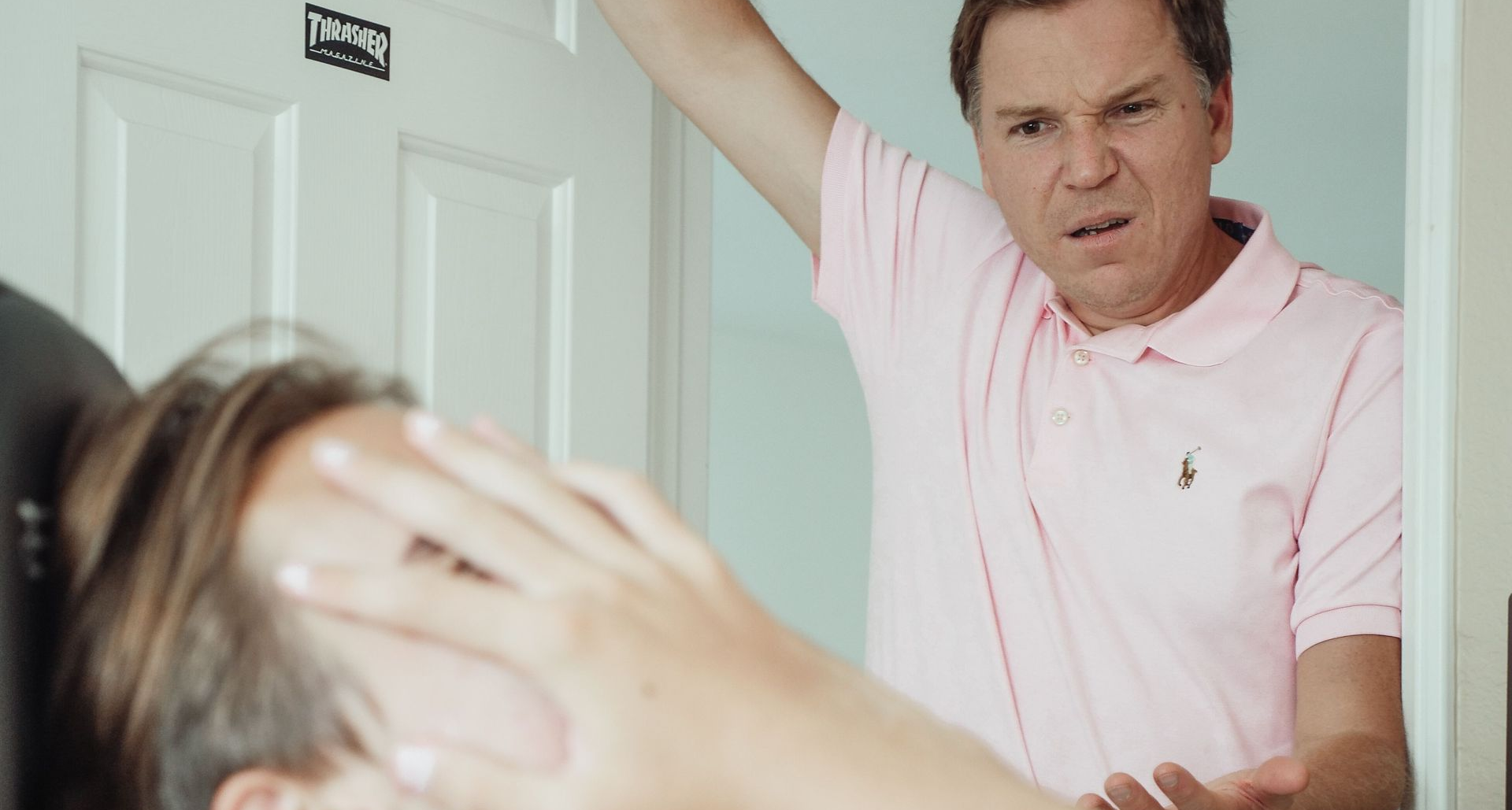
Obedience asks one primary question: “Will you do what I say?” It prioritizes compliance, speed, and external behavior. It values quiet over curiosity and often mistakes fear for respect.
Obedience can produce children who follow rules, but it rarely produces children who understand why those rules matter. When obedience is the goal, children learn something subtle but dangerous. My job is to please authority. My feelings are inconvenient. My questions are a problem. My worth is tied to how well I perform.
Obedience may look successful in the short term, but it often collapses under pressure, independence, or real-world complexity. When the authority figure is present, behavior changes. When they are gone, the system disappears.
Discipleship Builds the Person, Not Just the Behavior
Obedience focuses on what a child does in the moment. Discipleship focuses on who a child is becoming over time.
Behavior can be managed. A person is formed.
When we center obedience, the goal is external. We want the behavior to stop, change, or comply. When we center discipleship, the goal is internal. We are helping a child develop the skills, values, and self-trust that guide their choices long after we are no longer directing them.
Discipleship pays attention to the inner work. It asks what a child is learning about themselves when they make a mistake. It considers how they experience boundaries. It notices whether they are learning responsibility through fear or through guidance.
This is why modeling matters so deeply. Children do not learn who to become by what we tell them in calm moments. They learn by watching how we live when things are hard. “Do as I say, not as I do” does not create disciples. It creates confusion and mistrust. Children notice when we demand regulation we do not practice, respect we do not show, or accountability we avoid.
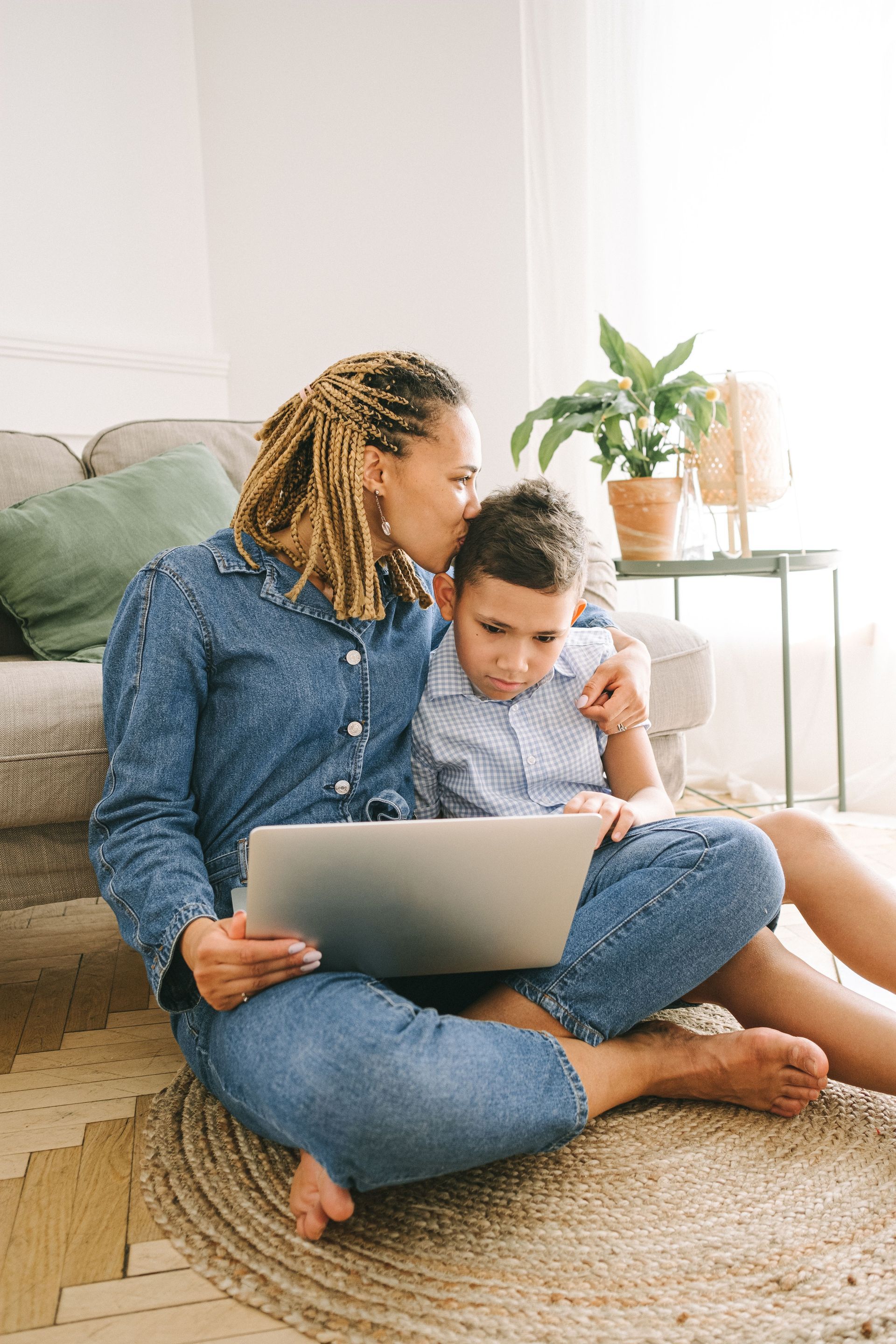
In discipleship, authority does not come from control. It comes from integrity. Children follow us because they respect us, and respect grows when our actions align with our values. When we regulate instead of react, they learn regulation. When we repair instead of defend, they learn responsibility without shame. When we hold boundaries calmly instead of through fear, they learn that strength and safety can coexist.
Living what we teach gives our guidance weight. It tells a child this is not just a rule being imposed. This is a way of being we are practicing alongside them.
Discipleship says you belong, even when you struggle. Your inner world matters. You are allowed to think, feel, and question. Responsibility grows through guidance, not fear.
Why Discipleship Succeeds Where Obedience Fails
Obedience relies on proximity and power. Discipleship creates internal anchors.
A disciple asks, does this align with who I want to be? What feels right here? How do my actions affect others? What values am I living from? That inner compass does not disappear when no one is watching.
This is the difference between behavior that is managed and character that is formed.
Discipline Without Discipleship Is Just Punishment
Many parents fear that letting go of obedience means letting go of structure. The opposite is true. Discipleship requires more clarity, not less. More presence, not less. More intentional leadership, not less.
The difference is how discipline is used. In obedience-based parenting, discipline is about stopping behavior. In discipleship-based parenting, discipline is about teaching skills. Emotional regulation. Repair after harm. Problem-solving. Self-reflection. Responsibility without humiliation.
Children do not need to fear us to learn from us. They need to trust us.
What This Looks Like in Daily Parenting
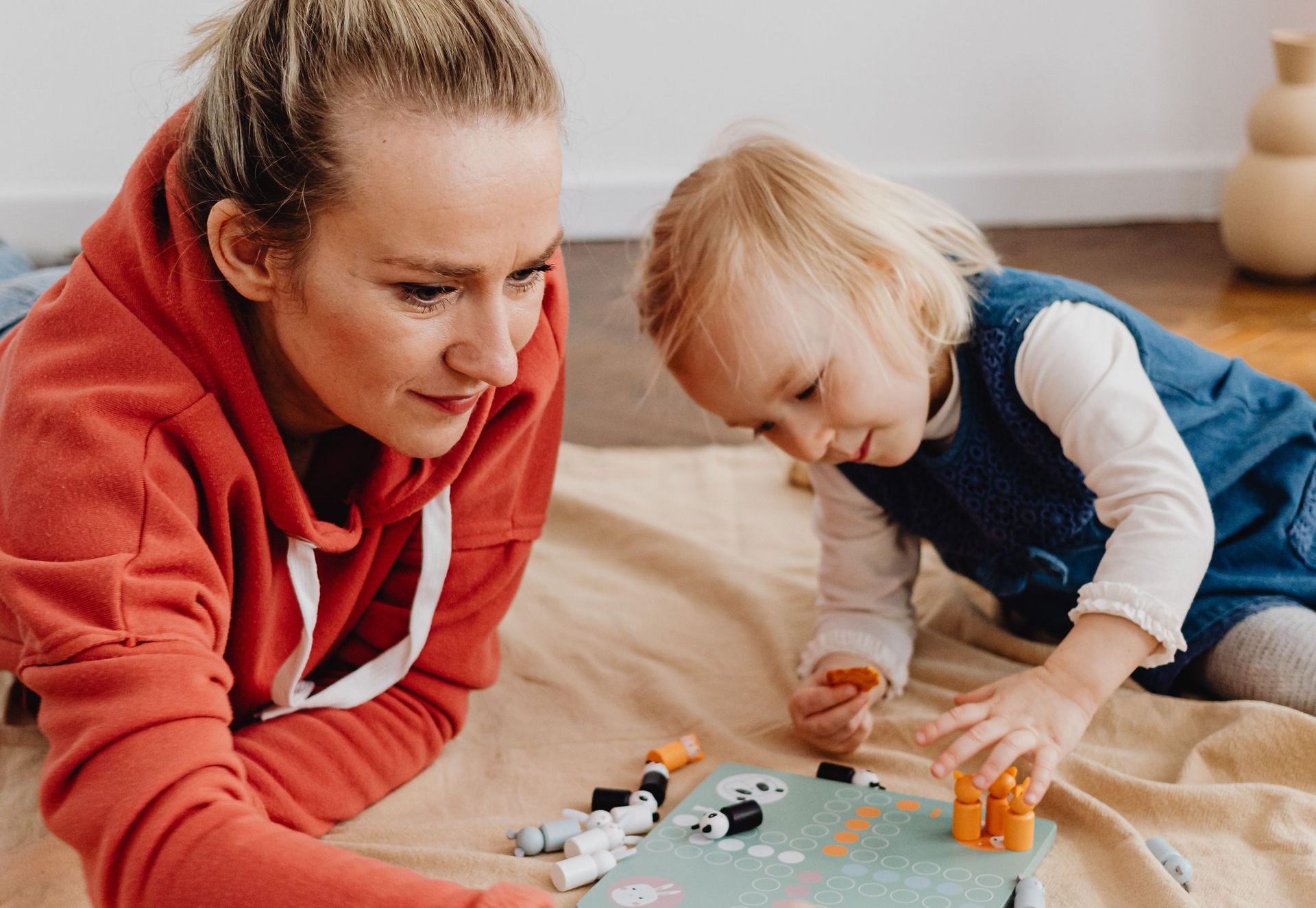
Raising disciples means holding boundaries without threats, staying calm during dysregulation, teaching skills when children are regulated, repairing when we mess up, modeling accountability instead of demanding it, and valuing relationship over compliance.
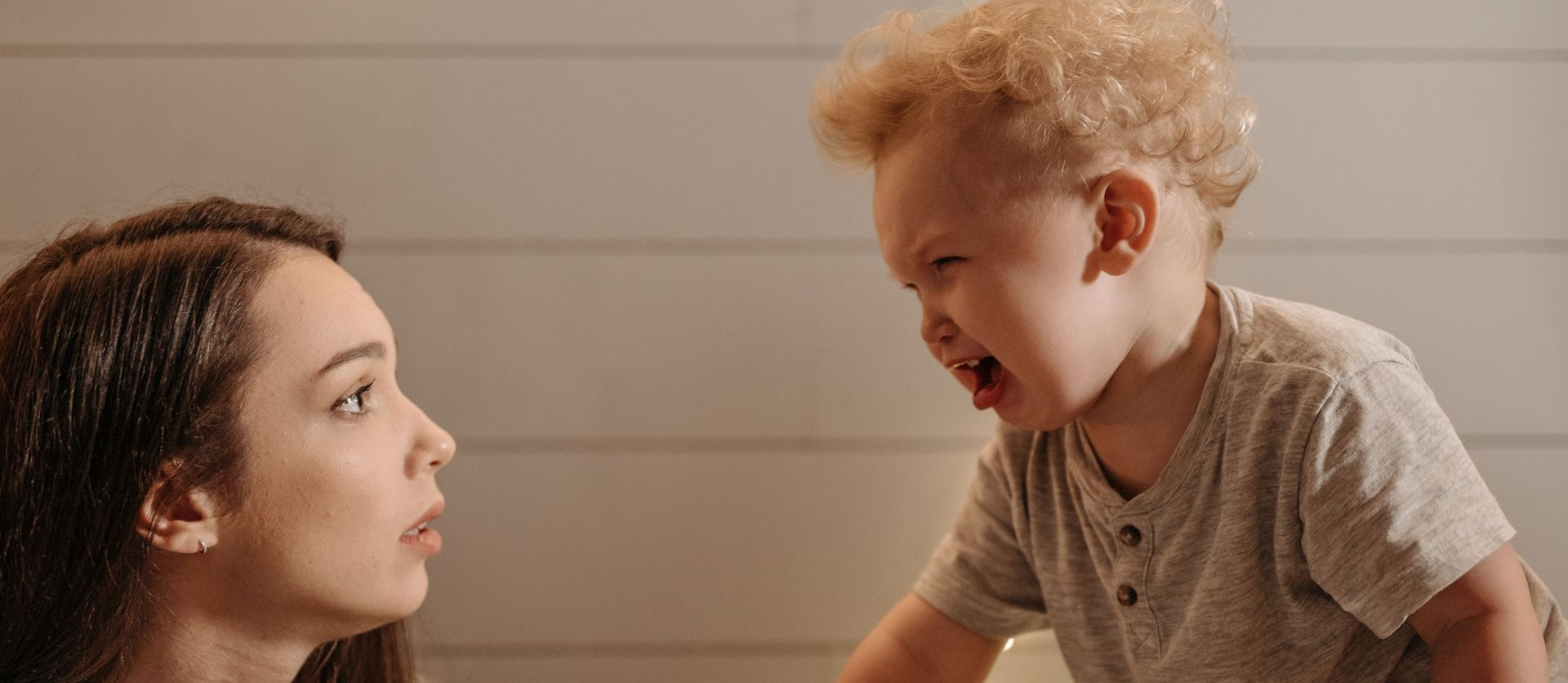
It means recognizing that a child who is struggling is not being defiant. They are showing us where they still need guidance.
The Long Game
Obedience creates children who behave. Discipleship creates adults who think.
Adults who trust themselves, take responsibility without collapsing into shame, hold boundaries with respect, lead with empathy and clarity, and choose integrity even when it costs them something.
That is the work. Not perfect behavior. Not quiet compliance. Not instant results.
We are raising humans who will eventually lead their own lives. And the question is not, “Did they obey me?” The real question is, “Did I give them the tools to become steady, thoughtful, grounded people when I am no longer there?”
We are not raising obedient children. We are raising disciples.
Reflection Questions
- When my child is struggling, do I tend to focus more on correcting the behavior or on understanding what they are still learning, and what might shift if I prioritized guidance over control?
- In what ways does my child learn from how I handle frustration, mistakes, and repair, and where might my actions be teaching more loudly than my words?
- How do I currently use discipline in my home, and does it primarily stop behavior in the moment or build skills my child will need when no one is watching?
- When I imagine my child as an adult, what qualities do I hope they carry with them, and how does that vision shape the way I lead them today?