THE MELTDOWN IS NOT A DETOUR
It's the Most Important Part of Your Day

The Meltdown Is Not a Detour
It's the Most Important Part of Your Day
You plan the day for your child(ren). It could be a trip to the park. A fun lunch out. A birthday party. Gymnastics. Disneyland. A playdate. A family dinner. A special outing you have been talking about all week.
You imagine fresh air, laughter, maybe even a memory worth keeping. You hope for cooperation. You hope for participation. You hope for a smooth experience. You pack snacks. You leave on time. You talk through expectations. You try to set your child up for success.
You hope for the best.
And if you are honest, you might also be tired. Maybe part of you is quietly hoping this one goes smoothly because you do not have the energy for another hard moment. You do not want to manage tears in public. You do not want to feel judged. You do not want to negotiate something small that suddenly feels enormous.
You just want it to go well.
Instead, the food comes out wrong. The playground is more crowded than expected. Someone else gets the presents. The uniform feels scratchy. The favorite pajamas are in the wash. The music is too loud. The coach corrects him. The plan shifts.
The day takes a turn.
And suddenly it’s the “worst day ever!”
Tears.
Clinging.
Shouting.
Refusal.
Crying in public.
Anger.
Collapse.
Meltdown. Tantrum. Fit. Shutdown. Aggression.
A nervous system overwhelmed by reality not matching expectation.
And what we do next matters.
The Moment We Try to Skip Is the Lesson
Meltdowns feel like interruptions.
They interrupt your schedule.
They interrupt your mood.
They interrupt your plans.
They interrupt the version of the day you imagined.
But emotional growth does not happen in calm, convenient moments.
It happens in disappointment.
It happens in frustration.
It happens in jealousy.
It happens in unmet expectations.
If emotional competence is a top priority, then the meltdown is not a problem to solve. It is the practice field.
Emotional competence means recognizing what I feel, staying regulated while I feel it, and choosing my behavior instead of being controlled by it.
Those skills are built in real time, not in theory, not in lectures, not in punishments, not in long explanations about how they should feel.
They are built in the exact moments you want to skip.
Why This Matters Long-Term
An emotionally healthy adult is less likely to cope with pain through substances or compulsive habits. They are more likely to build stable, safe relationships. They are better at setting boundaries, more resilient during stress, more capable of delaying gratification, and stronger in conflict resolution. They tend to experience greater life satisfaction, adapt more effectively when plans fall apart, and persist when something is hard.
And where does that skill begin?
At the park.
At lunch.
At bedtime.
At the birthday party.
At Disneyland.
In the inconvenient meltdown.
When We Rely on Our Child for How
We Feel
Here is the subtle trap.
If my child’s meltdown ruins my mood, disrupts my energy, or threatens my sense of control, I begin to depend on their behavior for my stability.
When we rely on our child for how we feel, they cannot rely on us.
Their emotions start to feel dangerous, not because emotions are dangerous, but because our steadiness disappears when those emotions show up.
Our job is not to eliminate their feelings so we can feel good again too.
Our job is to remain steady while they learn to feel them.
What Support Really Looks Like
Supporting unhappiness does not mean fixing it.
It does not mean rushing over to make it stop.
It does not mean distracting with tickles, a joke, or candy.
It does not mean teaching a better mindset in the middle of the storm.
And it does not mean agreeing with them, removing the boundary, or solving the problem so the feeling disappears.
Support is not calmly making their problems go away.
It is steadiness.
It is validation without surrender. Empathy without collapse. Boundaries without harshness.
It is looking at your child in the middle of their hardest moment and holding two truths at the same time:
You are struggling.
And you are good. Always.
Support sounds like understanding without amplifying the story. It sounds like:
“You really wanted to be the one who opened the present. That’s hard.”
Understanding head nods.
“This didn’t go the way you hoped.”
Facial expressions of compassion.
“I can see how disappointed you feel.”
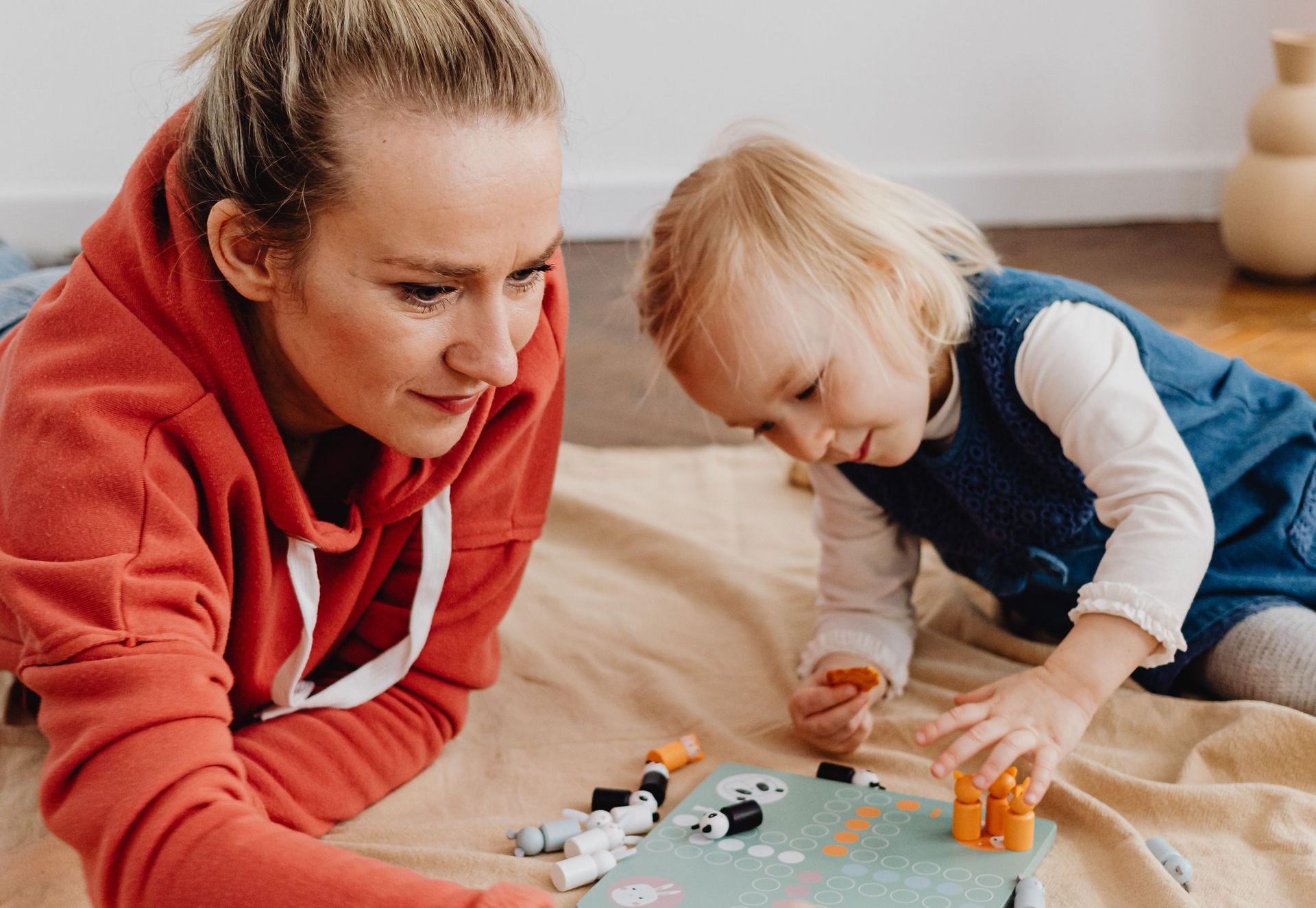
And sometimes support is quiet presence more than words. It might look like sitting beside them on the floor, offering a hug, holding their hand, rubbing their back, or simply staying close while they cry. It may be rocking, soft singing, or slowing your own breathing so their nervous system can borrow your calm.
The key is intention.
You are not touching them to silence the feeling.
You are not soothing to erase the disappointment.
You are co-regulating because their nervous system needs support.
The boundary can still stand. The situation may not change. But connection remains steady.
You stay rooted in your own nervous system knowing emotions are waves. They rise. They peak. They fall. When we stop interrupting our child’s wave, they learn that feelings are not a threat.
And that is what support builds.
The Reps Build Emotional Strength
What feels messy in the moment is actually rehearsal.
Every meltdown is a repetition. Every disappointment is a chance to practice something the body has not yet mastered. It does not look impressive. It does not feel productive. It often looks like regression before it looks like growth.
But this is how capacity is built.
At first, they explode.
With steady support, they recover faster.
Later, they feel and stay more regulated.
Eventually, they feel the emotion and choose their response.
That is the long game.
To raise a human who can feel deeply and still choose wisely.
Better emotional choices lead to healthier relationships, stronger boundaries, better habits, greater resilience, more durable joy, and more stability when life hurts.
Unrushed, undismissed, unfixed unhappiness now creates more durable joy later.
The Most Important Use of Your Energy
It may not feel productive.
It may not fit your plans.
It may be inconvenient.
But if you want an adult who does not numb discomfort, does not collapse under stress, and does not need to escape hard feelings, then this moment matters.
The meltdown at the park.
The tears over dirty pajamas.
The disappointment at Disney.
This is not a detour. It may be the most important part of your day.
Stay steady.
Your child is unhappy.
You do not have to be.
And that steadiness is the gift.
Reflection Questions
- When my child melts down, what part of me feels most activated (embarrassment, frustration, exhaustion, urgency, fear)? And what story am I telling myself in that moment?
- Do I tend to rush to fix, distract, or silence my child’s emotions, and what discomfort in me might be driving that response?
- When my child is at their worst, am I protecting their identity as good while still guiding their behavior, or am I unintentionally attaching character to the moment?
- If I truly believed the meltdown was the practice field for emotional strength, how would I show up differently the next time it happens?