THE KIND OF GRATITUDE WORTH WAITING FOR
Gratitude is Not Owed
In my house, my son does not owe me gratitude.
All I do for him comes without condition.
I model gratitude. I don’t demand it.
I coach him on how to express gratitude to others, even when he is disappointed. With his grandma. His teacher. His neighbor. His friends.
But with his parents, he gets to just be.
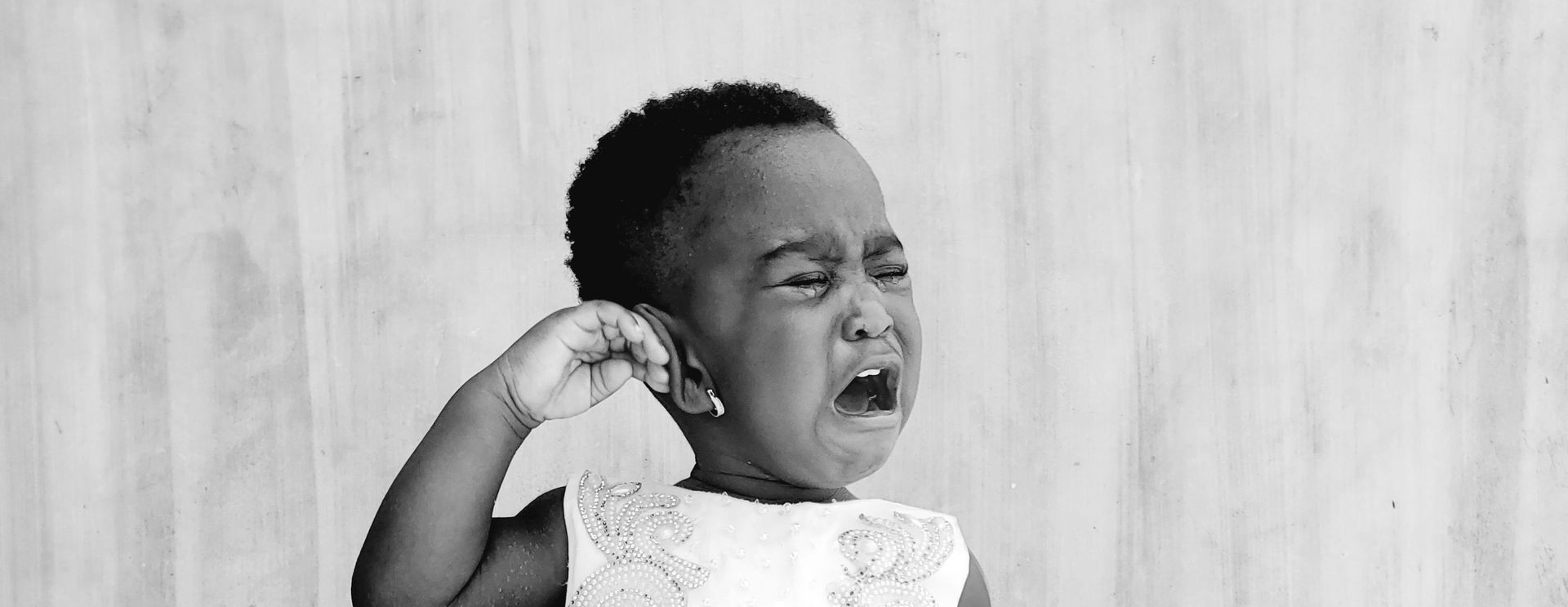
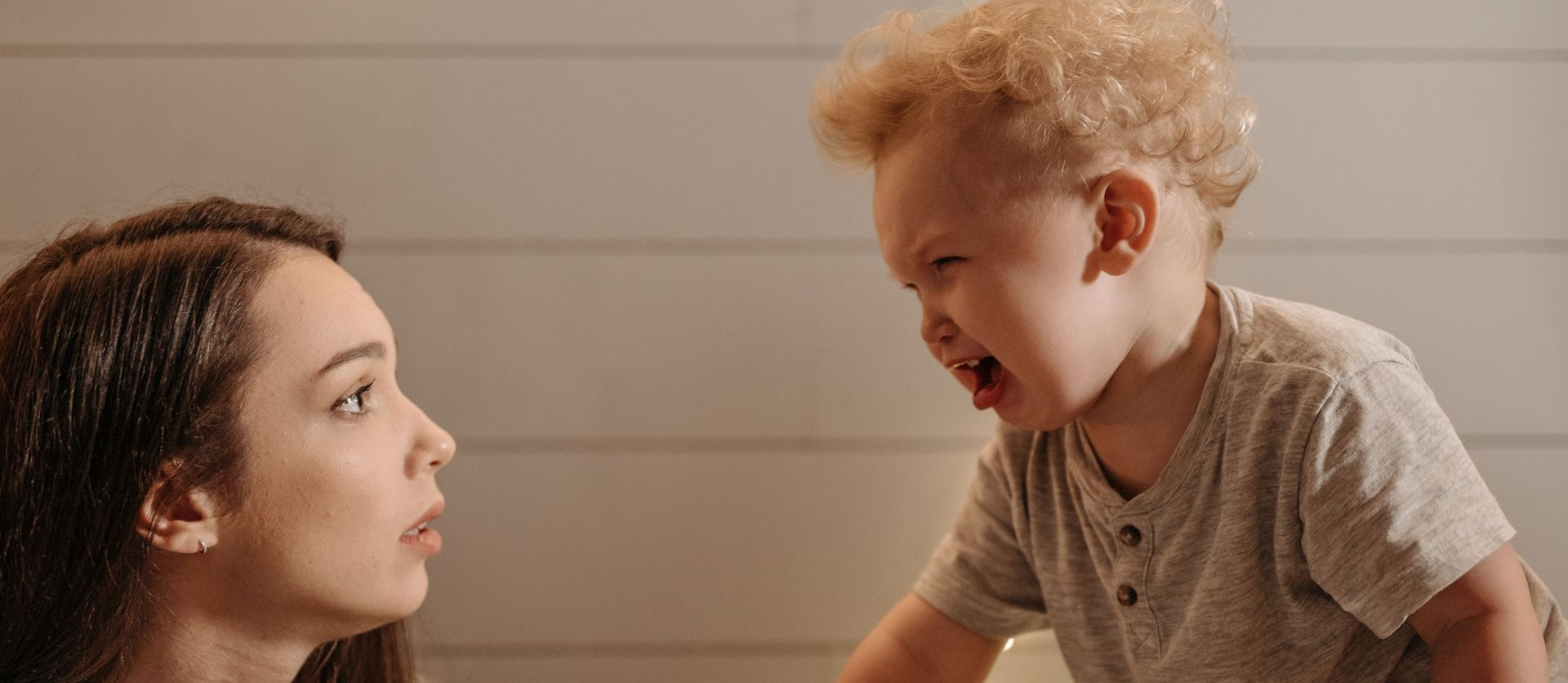
Disappointment can come out.
Discontent can be shared.
Anger hiding grief is welcomed.
Grief itself is welcomed.
On the other side of those emotions, he can access gratitude. It lives there naturally, with no need to be demanded.
One Saturday, I took on the task of assembling a new bed for my then seven year old son. You know the kind. A million little pieces. Confusing instructions. Steps that somehow need to be undone and redone three times. It took hours. There were mistakes, corrections, and plenty of opportunities to model frustration.
By the time I finished, my body was aching and my son had completely lost interest in the project. He was watching TV in the other room.
I decided to go all in and make it a real surprise. I put on the new sheets. Arranged everything just right. Made it look like every child’s dream.
When the bed was finally done, I called for him.
But I already knew a secret.
He might love it.
He might not.
Either reaction was perfectly acceptable.
He owed me nothing.
He heard the excitement in my voice and saw the smile on my face as he walked into the room. And I watched him do something very human. He forced a smile and nodded yes. His body knew my effort before his emotions had caught up.
“What’s up, buddy?” I asked. “Not what you expected?”
He hesitated and then said, “I didn’t know it would be so high,” referring to the thick mattress.
I reflected back, “You didn’t think it would be so high.” I nodded in understanding.
That was it.
No fixing.
No convincing.
No reminding him how hard I worked.
No request for gratitude.
Just room.
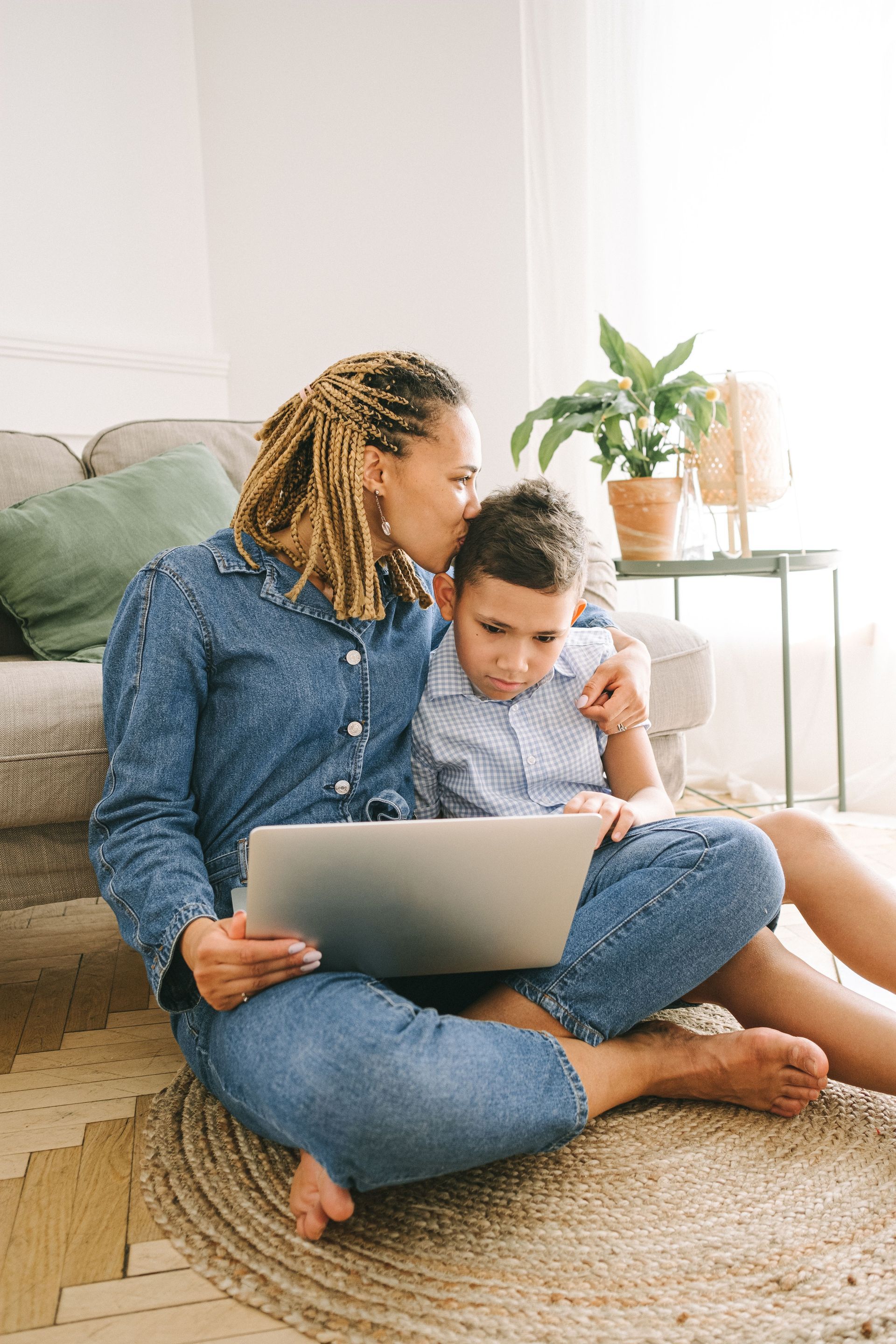
He crawled onto the bed with tears in his eyes, and my tired body held him.
“Not quite what you were expecting, huh?”
He shook his head and laid on me.
And then something happened.
He began to look around. He took his time. He checked things out. The emotion moved through him instead of being pushed away.
“I know you worked hard on this,” he said.
“Yeah,” I replied, “it was a tricky one.”
He was back.
He started noticing the cool drawers. The secret compartments. The curtain that turned the bed into a fort.
Curiosity returned.
Delight followed.
He looked at me, wrapped his arms around my neck, and said, “Thank you for my bed, mom.”
And gratitude flowed.
Effortlessly.
Unforced.
Not demanded, but discovered.
This is what happens when we allow the whole child to exist, not just the parts that make us feel appreciated. When children are free to feel disappointment without risking connection, gratitude becomes something real.
Something embodied.
Something that belongs to them.
And that is the kind of gratitude worth waiting for.
Reflection Questions
- When your child shows disappointment after you have put in effort, what feelings come up for you, and how do those feelings influence your response?
- How were gratitude and appreciation handled in your own childhood, and how might that shape what you expect from your child today?
- What would change in your parenting if you trusted that gratitude can emerge naturally after emotions are fully felt?
- In what moments might your child need permission to simply be, without being asked to perform appreciation or positivity?