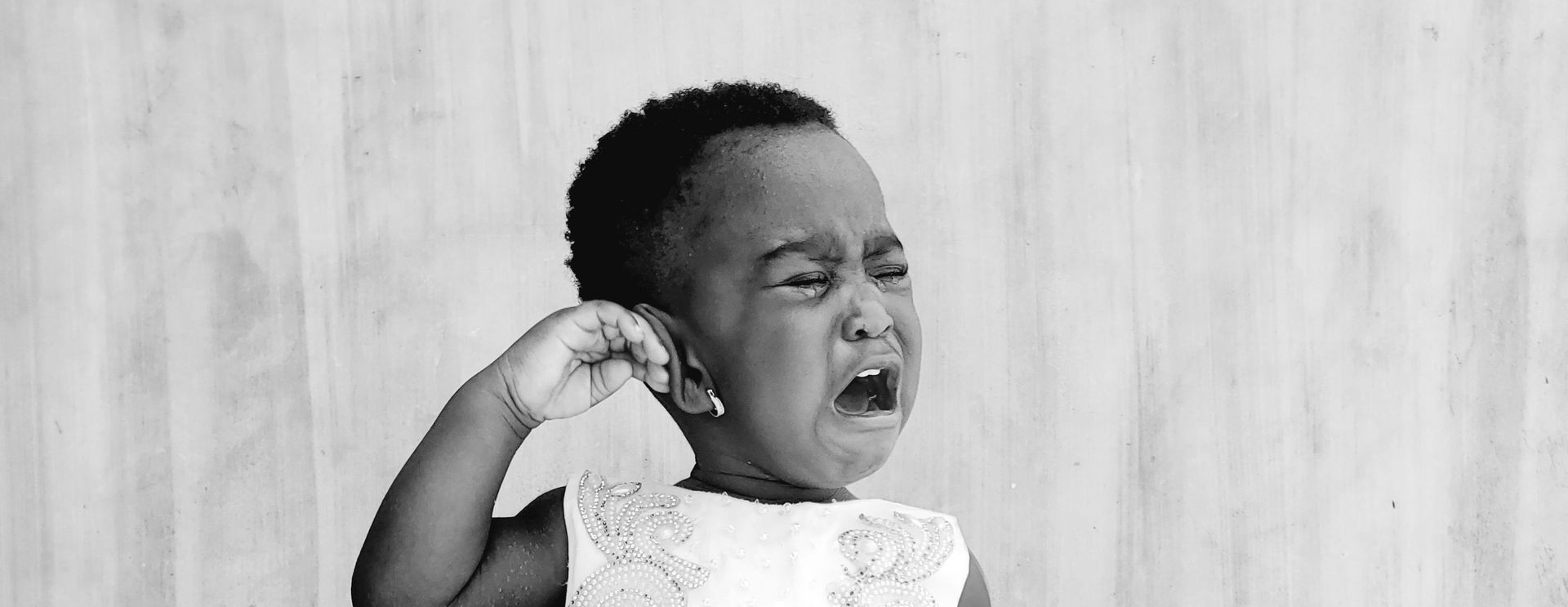
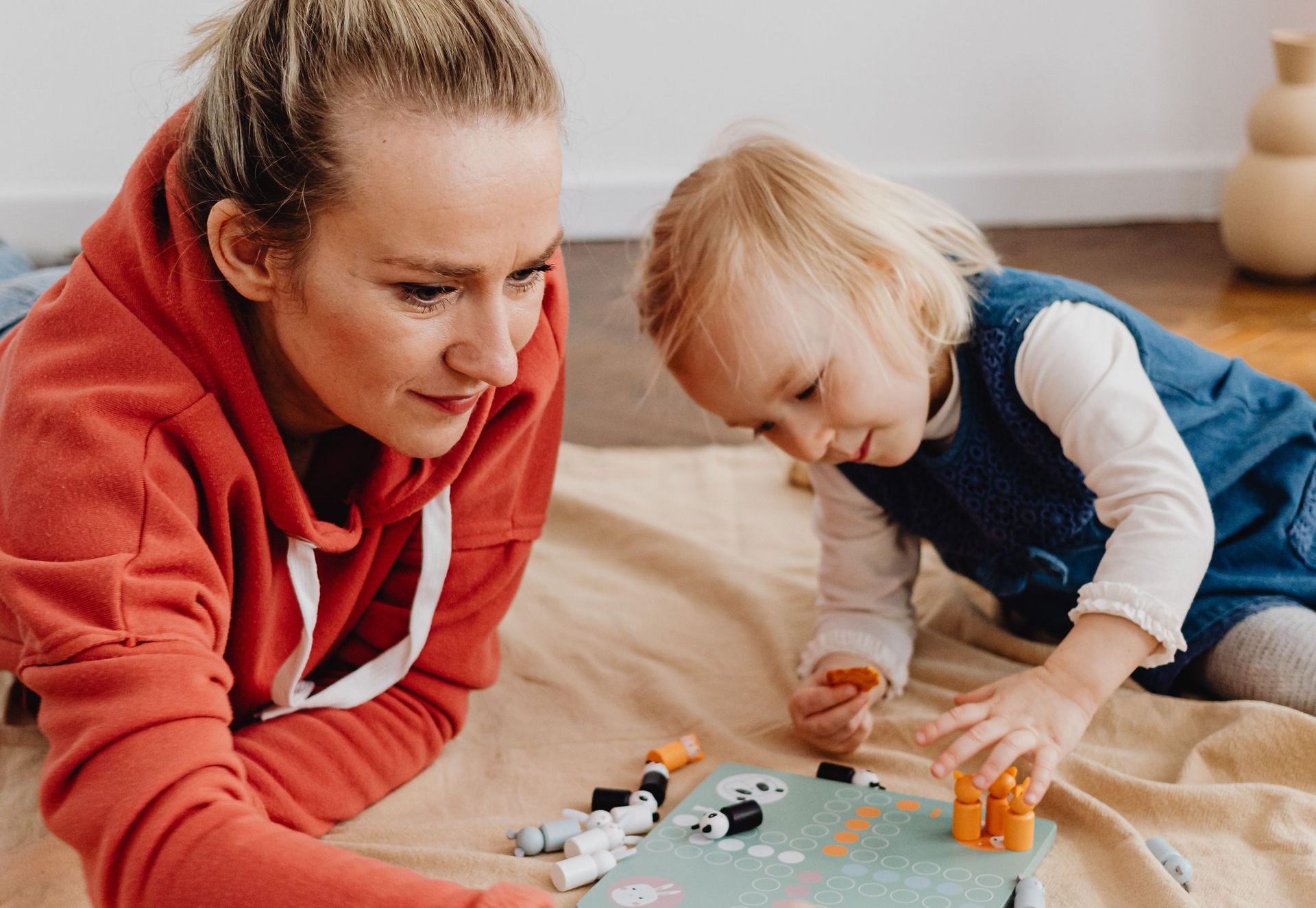
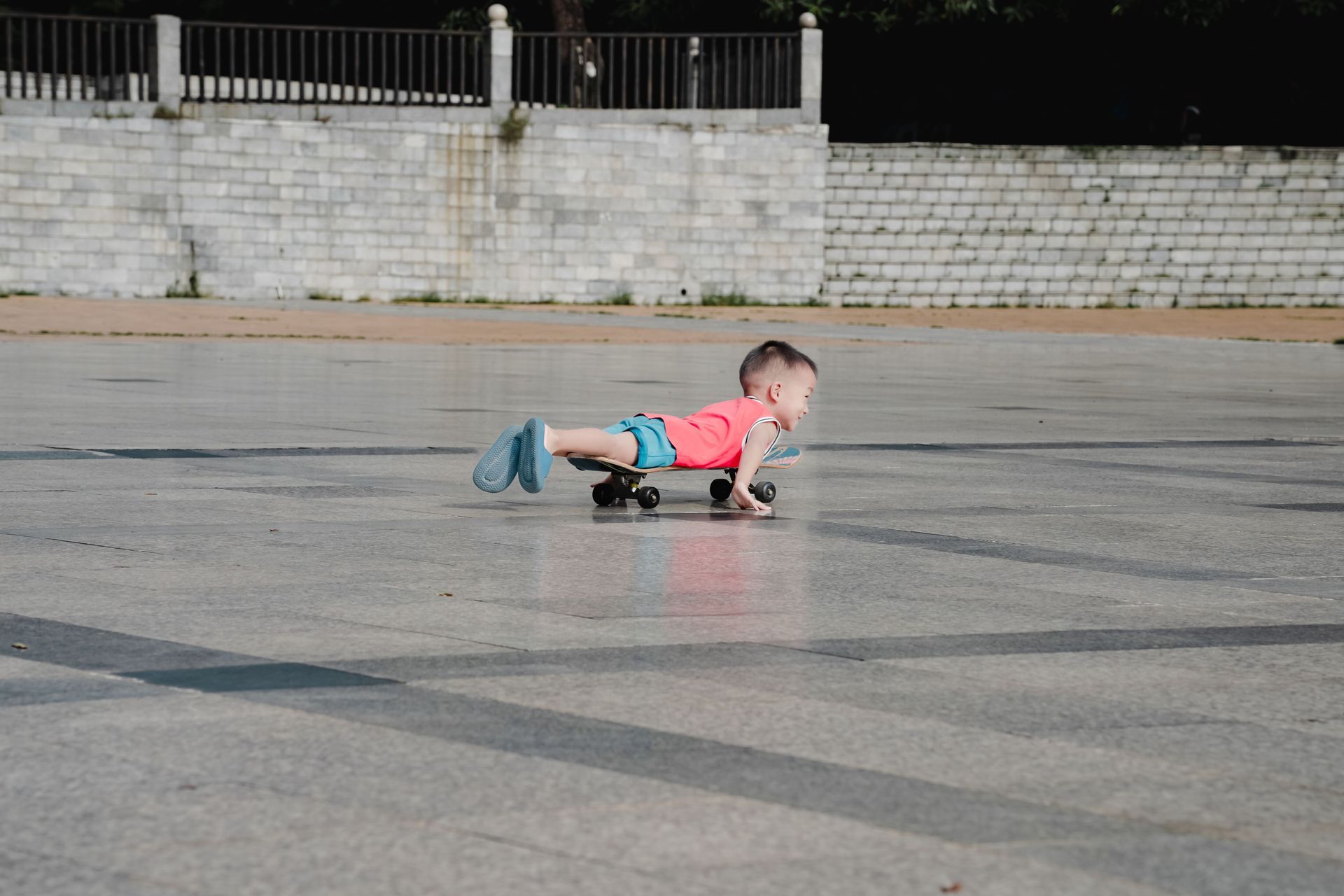
THERE IS NOTHING HARSHNESS DOES THAT LOVING FIRMNESS DOESN'T DO BETTER
Why the short game is losing you the long one.
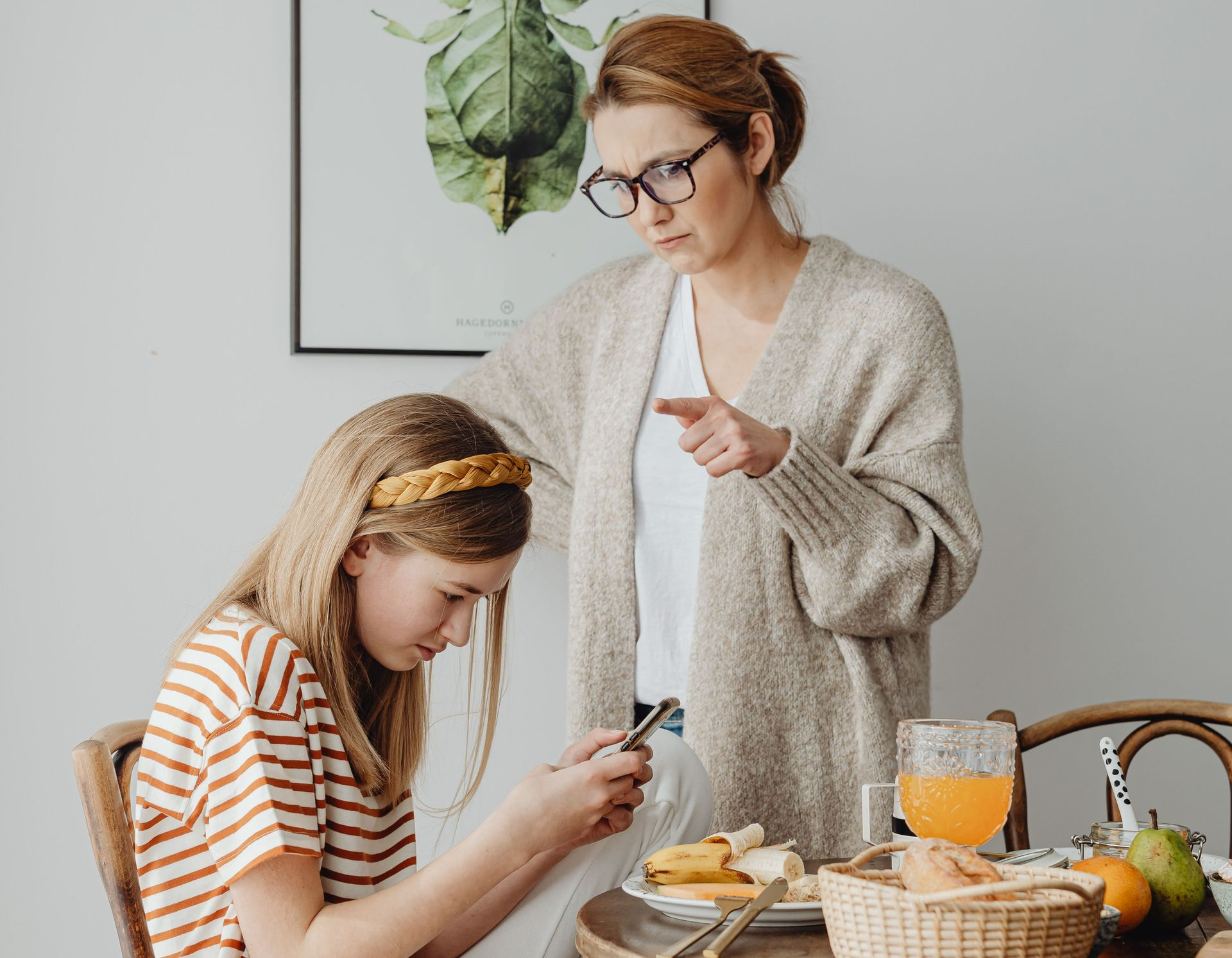
There's a quote I keep returning to, one that quietly reshapes how I think about raising children:
"There is nothing harshness does that loving firmness doesn't do better."
It doesn't say children don't need boundaries. It doesn't say they shouldn't experience consequences. It says that everything you think harshness is accomplishing, loving firmness does better.
So why, as a society, do we keep reaching for harshness when it comes to raising, coaching, and teaching children?
Where Harshness Actually Comes From
Before we talk about what harshness costs, it's worth naming what harshness actually is, because most parents who are harsh are not being cruel on purpose. Harshness has roots, and understanding them changes everything.
We repeat what we were taught. Most of us were parented in ways we absorbed long before we had any say in the matter. We reach for harshness because, in the short term, it can appear to work. A child stops. The room goes quiet. Something shifts. But we are a species built for long-term thinking, and we need to use that capacity now. The goal was never a child who complies under pressure. The goal is a child who can sit with discomfort without numbing it or running from it. A child who knows how to solve problems, love themselves, set healthy limits, and choose communities, friendships, and relationships that reflect their worth. Harshness does not build that child. It quietly dismantles them.
We react from dysregulation. When we are flooded, when our nervous system is overwhelmed, the part of the brain responsible for thoughtful, values-driven parenting goes offline. We are no longer parenting from our prefrontal cortex. We are reacting. And reactions rarely look like our values.
A lot of parents aren't just dysregulated in a moment. They are living in survival mode. From the time they wake up, they are moving. Work, housework, getting food on the table, getting everyone to bed, trying to stay on top of school schedules, catching a game or two somewhere in between. There is no pause, no space to fill your own cup, no room to tend to your own needs or restore your own capacity. You are not thriving. You are simply getting through. And when you are just getting through, you have very little left to offer emotionally. Not because you don't love your child, but because you can't give what you don't have. Survival mode is not a character flaw. It is what happens when the demands of life consistently outpace any real opportunity for rest or restoration. But it does mean that the regulation your child needs from you is the one thing you are most depleted of. Recognizing that is not an excuse. It is the beginning of understanding what actually needs to change.
We hold unrealistic expectations. Just as a child melts down when reality doesn't match their expectations, adults do the same. When we operate under the impression that our child should sit quietly, stay put, listen the first time, or manage their emotions without falling apart, we've set a bar their development cannot yet reach. And when they inevitably fall short of it, we find ourselves angry, exasperated, and asking the most unfair question a parent can ask: What is wrong with you?
Nothing is wrong with them. They are a child.
You can absolutely set the bar. You can know what you're working toward. But release the expectation that they are already there. When you release the expectation, you release the disappointment. When you release the disappointment, you release the trigger. You stop experiencing your child's normal, age-appropriate behavior as a personal failure or a deliberate defiance, and you start seeing it for what it actually is: an invitation to teach.
When the teaching doesn't land, that's not on your child. They cannot reach for something they don't yet have. The next step belongs to you.
It also helps to let go of linear thinking. If they learned something once, that doesn't mean they have it forever. Solutions are seasonal. What worked last month may not work this month, because their sleep shifted, their world changed, or they've entered a new developmental stretch. That is not regression. That is being human.
We forget our role. You are not the dictator. You are the leader, the never-ending problem solver who agreed to usher a new soul into the world. Your job is to go back to the drawing board without resentment. To try a different approach. To meet the need underneath the behavior. To hold the belief that they can get there, even when they aren't there yet.
A good leader doesn't blame the student when the lesson hasn't landed. They find another way to teach it.
Because when we ask children to stretch beyond their capacity without meeting them where they are, we leave them no choice but to hide, shrink, or guard their hearts behind a shield of toughness, defiance, and not caring about anything at all.
If we were parenting from a regulated, grounded place, with expectations that matched our child's actual developmental reality, our choices would look and feel far more loving. Every time.
Understanding Your Child
Before we can parent differently, we have to see our child differently. And that starts with one reframe: your child's challenging behaviors are not a moral failing. They are not proof that you have a bad kid or that you've failed as a parent. They are a discrepancy between what we expect and what our child is actually capable of in that moment.
Children behave the way they do because they are getting their needs met the only way they currently know how. They haven't learned a better way yet. And unless we offer them better tools, they'll keep using the ones they have. This isn't defiance. It's simply being a developing human.
Children are not small adults. They make messes. They are loud. They experiment, push limits, and ask "why" seventy-three times in a row. They fall apart over small things. They forget what you told them five minutes ago. They need the same boundary explained fifteen times before it becomes internalized.
All of that is exactly what they are supposed to be doing.
When we parent from the expectation that children should act like regulated adults, we will be endlessly disappointed and endlessly harsh. The work is not to break our children into compliance. The work is to update our expectations and increase our capacity to let a child simply be a child.
The Long Game
Parenting is one of the longest leadership roles you will hold. And like any leadership worth anything, it asks you to keep your eyes on where you are going, not just on what is happening right now.
Harshness is a short-game move. It works in the moment. The child stops. The behavior ceases. The immediate problem is solved. But the long-game cost is quietly accumulating the whole time, in the child's relationship with themselves, with you, and with the world.
Loving firmness is harder in the moment. It requires you to stay regulated when you don't feel like it. To teach when you'd rather just shut it down. To hold a limit with warmth when every part of you wants to lose your patience. To repair when you get it wrong. None of that is easy. But here is what it is: an investment. Every single time you choose the harder right thing over the easier wrong one, you are making a deposit into who your child is becoming.
The right way is harder now and easier later. The wrong way is easier now and harder later. A child raised with harshness may be compliant at seven and completely unreachable at fifteen. A child raised with connected, loving firmness may push back more at seven, because they feel safe enough to, and walk toward you at fifteen, because that safety never went away.
This is where long-term thinking separates the reactive parent from the intentional one. The reactive parent solves for right now. The intentional parent is always asking: what am I building? What is this moment teaching? Who is this child becoming, and am I helping them get there?
You are not just managing behavior. You are shaping a human being. That is a long game, and it deserves to be played like one.
The Authoritarian Trap
Childhood is uniquely difficult for one simple reason: you are not in charge. You are being led. And if you are being led by someone who operates from "do as I say because I said so, and do it with a smile," something important happens inside you.
You either comply or defy.
Authoritarian parenting doesn't produce grounded, emotionally intelligent adults. It produces one of two children. The first eventually rebels, loudly or quietly, because the human spirit doesn't accept permanent domination without consequence. The second becomes small. They learn to fit inside the role that's been carved out for them, follow the rules, keep the peace, and move through life never quite knowing who they are beneath the compliance.
The rebellion isn't a character flaw. The shrinking isn't true nature. Both are the natural result of a child who was never genuinely heard, trusted, or guided toward their own becoming.
Children who feel led with warmth, explanation, and genuine respect for who they are don't need to rebel. They have nothing to escape from.
The Real Cost of Harshness
When we are harsh with our children, we might get compliance. A quiet room. A stopped tantrum. A child who seems to fall in line. And in the exhausted fog of parenting, that can feel like a win.
But here is what we are actually trading for that short-term quiet: a child who loves themselves a little less. A child who learns to doubt their own instincts and feelings. A child who feels less safe with the one person who is supposed to be their anchor.
Scolding. Shaming. Lectures that circle without landing. Disciplining while angry or overwhelmed. Threats. Emotional withdrawal. Coldness. Each one sends a message the child internalizes and keeps: You are too much. You are wrong for being who you are.
And then the child has nowhere left to go as themselves. So they begin to leave themselves behind, piece by piece, building a version of themselves that can stay safe. A way of being that works, even when it costs them.
If the child's nature is more spirited, they reach for defiance. They seek whatever attention they can find, because even negative attention meets something. Mom might be yelling at me, but at least she's looking at me. At least she's here. Connection, even when it hurts, is still connection.
If the disposition is more pliable, the child falls into compliance. They become easy. Perfect, even. No needs, no wants, no inconvenient feelings. Being good keeps me on her good side. Being small keeps me safe. And slowly, quietly, they absorb the most heartbreaking lesson a child can learn: that love lives where I disappear.
Different paths. The same loss.
That loss doesn't stay in childhood. It follows them into adolescence, into adulthood, into the voice they carry in their own head for the rest of their lives.
We talk a great deal in our culture about the inner critic, that relentless internal voice that says you're not good enough, you're failing, you should be ashamed of that. We speak about it as though it's simply part of being human, a feature of the mind we all share and must learn to manage.
But the inner critic is not universal. It is not built into us. It is built into people who were raised with harshness.
Adults who grew up with conscious, calm, connected parents, parents who led with warmth and held limits without shame, don't spend their lives at war with themselves. What they have instead is an inner leader. A voice that sounds like patience. Like curiosity. Like okay, that didn't work, what can I learn? Like genuine compassion toward their own struggles and real confidence in their ability to figure things out.
That voice was built the same way the inner critic was: by listening, for years, to the voice of the person raising them.
Every time we scold, we are recording a track. Every time we shame, we are writing a script. Every time we meet a child's mistake with anger or withdrawal, we are teaching them exactly how to treat themselves when no one else is in the room. And they will play that recording for the rest of their lives.
The reverse is equally true. Every time we regulate before we respond, every time we correct with warmth, every time we say "you made a mistake and I still love you, now let's figure this out together," we are building something lasting. Not a fragile child or an undisciplined one. A child who will one day be an adult with a steady, kind, capable voice inside their own head.
That is the inheritance that actually matters. Not compliance. Not obedience. An inner voice that treats them the way you treated them, for the rest of their life.
The Foundation Is the Relationship
So what does it look like to parent differently? It starts not with a technique, but with a foundation: the relationship.
When we are in genuine, consistent connection with our child, we are meeting their core emotional needs. And when those needs are met, children don't need to reach for chaos to feel seen or safe. They have something solid to stand on.
Those needs are specific and real.
Unconditional love and acceptance. Your child needs to know they are loved not because of their behavior or achievements, but simply because they exist. And they need to feel this most during the hardest moments. When things fall apart, let them hear: "This is hard. We'll get through this together. I love you right now just as much as in the easy moments." You cannot offer unconditional love and be harsh at the same time. Harshness always carries a condition, even when it isn't spoken. Unconditional love says something entirely different: no matter what, I am here, and you are safe with me.
Affection. Cuddles, back scratches, head massages, kisses galore, high-fives, and "I love you" said often and meant every time. These are not extras. They are the soil everything else grows in.
Validation. Their feelings and thoughts deserve to be taken seriously. When we listen, acknowledge, and respond with empathy rather than correction, children develop a healthy sense of self-worth and learn to trust their own inner world.
Appreciation. Children need to feel valued not just for what they accomplish, but for who they are. Noticing their effort, their growth, their kindness, and their presence tells them: you matter here.
Security. Stable routines, clear limits, and a parent who responds consistently and calmly create an environment where a child can actually relax and grow.
Growth. Children need space to explore, try, fail, and develop. When we support their curiosity rather than manage or control it, we help them build real confidence and a genuine sense of direction.
Importance. Not because of what they do or how they make us look, but because they exist. Their presence makes the family whole. They are irreplaceable, and they need to feel that truth in their bones.
Trust. This is built through predictability. When a child can anticipate how you will respond, they feel safe. Trust requires that we are honest, non-manipulative, and non-reactive, especially when they bring us their mistakes. A child who trusts you won't shame them for struggling will actually come to you when they struggle.
Empathy. Not just understanding what your child feels, but letting them know you understand. Empathy is the bridge between a parent's correction and a child's willingness to receive it.
Independence. Children need the chance to do things themselves, to struggle with the zipper, work through the problem, feel the satisfaction of figuring it out. Stepping in too quickly robs them of that.
Autonomy. When we allow children to choose within reasonable limits, they develop self-awareness and genuine confidence in their own judgment.
Belonging. Your child needs to feel genuinely seen and wanted within your family, not for their compliance, but for who they are. This sense of belonging is where resilience, empathy, and confidence are quietly built.
Respect. Children deserve the same basic respect we expect for ourselves. Speaking to them with kindness, considering their perspective, honoring their boundaries, and treating them as worthy human beings teaches them both self-respect and how to respect others. We remain respectful to our children even when they are not respectful to us. Respect is not something children must earn. It is something we model consistently. Through our example, they learn what respect looks and feels like, and over time, they learn to offer it to others.
You cannot meet these needs with harshness. Harshness signals that love is conditional, that safety is uncertain, that making mistakes means losing connection. That is the opposite of what children need to grow.
Does This Mean We Never Feel Angry or Frustrated?
Not even close. We will feel all of it. And we don't need to hide those feelings from our children.
What we don't do is make our feelings our child's responsibility. There is an important difference between a parent who feels frustrated and a parent whose child feels like they have broken something in the person who is supposed to keep them safe.
You do not have to pretend. If you are so frustrated that you need to take a walk before you say or do something you'll regret, take the walk. That is not avoidance. That is exactly the kind of emotional leadership your child needs to witness. You can even name it: "I'm feeling really frustrated right now, so I'm going to take a few minutes and then we'll figure this out together." What you are showing them in that moment is that hard emotions are survivable. That you can feel something big and still be okay. That the feeling is not the end of the story.
This matters most with emotions like sadness, overwhelm, and hurt. When we are visibly struggling, children are watching to see whether we make it through. A parent who can say "I'm sad right now, and I'm okay" is teaching their child something profound: that difficult feelings are not emergencies, that we can move through them, and that the ground beneath us holds even when things are hard.
What we want to avoid is a child who feels responsible for a parent's emotional state. A child who reads your face and believes it is their fault you are not okay carries a burden that is simply too heavy for a developing person. It will quietly lower their sense of self-worth and make them spend their energy managing you rather than growing into themselves.
You do not have to be emotionally dishonest. You do not have to perform calm you don't feel. You simply stay anchored in one belief, even when the moment is hard: underneath the mess is a loving child who is trying their best to be understood and get their needs met. And underneath your reaction is a loving parent doing the same. The goodness of both of you remains. The hard moment is just a hard moment. It is not the truth of who either of you are.
What your child needs is a parent who can feel hard emotions, navigate them, come back to regulation, and show up with loving action on the other side. Not a parent who never struggles. A parent who shows them what it looks like to struggle and still be okay.
And there is something else your child gains when you let them see your humanity: connection. Real connection. The kind that lives in the moments where you are not performing okayness but actually moving through something real in front of them.
We are wired for connection. It is not a nice extra in parenting. It is the entire foundation. And connection doesn't happen between a child and a perfect, unshakeable authority figure. It happens between two humans who recognize something true in each other.
When your child watches you feel frustrated and choose a walk instead of an explosion, they see themselves in you. They are learning to name what you are modeling: hard emotions are not forever. They come in waves. And I can choose how I respond to them. You are living proof of what you are trying to teach.
Let your child see your humanity, and with it your capability. Let them see an adult who feels all the same kinds of emotions they are still learning to navigate, and who comes through them. Someone who needs to regulate and works to stay present. Someone who keeps the door of forgiveness and connection open, again and again, no matter what. That combination, someone who is real and someone who is strong, is exactly what a child needs to feel genuinely safe.
Because what children need, underneath everything, is to know that someone has got them. That they are free to be a child. To make mistakes, fall apart, try things and fail, and trust that there is someone in their corner who will guide them back and keep them safe while their brain and body are still growing. They need to know they don't have to figure it all out yet. That is your job, not theirs. And when they feel that security in their bones, they can relax into the long, messy, nonlinear process of growing up, learning through experience, and becoming someone who can eventually navigate this world on their own.
That security doesn't come from a parent who never struggles. It comes from a parent who struggles and stays. Who feels and comes back. Who is human enough to be real and strong enough to be trusted.
That is what they will carry with them long after they leave your home.
Regulate First. Discipline Second.
From this foundation, we can actually teach. But there is a prerequisite that cannot be skipped: you have to regulate yourself before you discipline your child.
Your child cannot receive your teaching when you are flooded with emotion. And when you are flooded, you're not really teaching. You're reacting. You're parenting from your own unprocessed feelings rather than from your values. The lesson they receive in those moments is not the one you intended to give.
Take the breath. Step away for sixty seconds. Lower your voice before you speak. Come back to your body. Then parent.
Stop Punishing. Start Teaching.
There is a distinction worth sitting with: punishment makes children pay for their mistakes. Discipline teaches them what to do instead. One is about control. The other is about growth.
Your job is not to punish. Your job is to teach. You are raising a disciple, someone who absorbs your values not because they are forced to, and not because they are afraid of what happens if they don't, and not because they need to earn your love. You are raising someone who does the right thing because it is the right thing. Because kindness, generosity, compassion, and empathy feel good from the inside. Because they watched you live with integrity and lead the way you are asking them to follow. That is what makes it stick. Not fear. Not compliance. A child who has internalized values because they were modeled, not demanded.
Which means some of the most powerful parenting you will do is not in the moments of correction. It's in the ordinary moments. How you handle your own frustration. How you treat people. How you model repair after conflict.
Stop yelling, scolding, and punishing. Start teaching skills: emotion regulation, conflict resolution, how to handle disappointment, frustration, and failure. Start modeling the values you want them to carry into the world, kindness, patience, curiosity, compassion, honesty, resilience, and the courage to say "I'm sorry."
Start leading as the adult in the room, not from your own wounded inner child who learned that control was the only path to safety.
Holding Firm Without Harshness
A loving, connected relationship is not the same as a permissive one. Limits are still essential. The difference is how we hold them.
Calm physical guidance. When a child is unsafe or dysregulated, gentle physical intervention, blocking, redirecting, holding hands from hitting, communicates both safety and connection without aggression. This doesn't always look or feel peaceful in the moment, but what it lacks is the emotional charge of our anger or frustration. We need to be regulated first, aware of how our presence is affecting our child, and willing to name what they're experiencing: "I know you don't want this. I hear you. I'm still here."
Clear, proactive communication. Set expectations before the moment arrives, not inside it. Let them know the plan and the clear expectation. "When we get inside the store we won't be buying anything except what is on the list. Can you mark off each item as I put it in the cart?" Tell children what to do, not just what to stop. A child cannot "do a don't," so give them something concrete to move toward. Instead of "stop running," try "walk with me." Instead of "quit whining," try "use your regular voice and tell me what you need." When children know what's expected before we're already in the middle of a hard moment, the boundary becomes a guide rather than a wall.
Positive motivation. Help children connect their choices to real, natural outcomes. "When you're dressed, we can head to the park" is a guide, not a threat. The content of what we say is often less important than the energy behind it. Consider the difference between "If you don't put your shoes on right now, we are not going anywhere," delivered with tension and frustration, and "Shoes on and we're out the door! I'll race you to the car." Same boundary. Entirely different experience. One closes a child down. The other opens them up. Nurture intrinsic motivation by making the link between action and outcome visible, real, and emotionally safe.
Reminders and redirects. A short, calm redirect can help a child get back on track before things escalate, before you've both committed to a standoff. The key is to give them somewhere to go rather than just shutting behavior down. "You can't throw the cars, but you can throw this soft ball" or "You can't throw the cars, but you can race them on the floor, like this" offers a way back without confrontation. Catching it early and staying warm when you do preserves the relationship and keeps the child's nervous system from going into full defense.
Scaffolding. Break bigger expectations into smaller steps, and set your child up to succeed before asking them to perform. A morning routine that flows isn't the result of a well-behaved child. It's the result of a parent who laid the groundwork: clothes ready the night before, a visual chart on the wall, a ten-minute warning before transitions. As skills grow and confidence builds, you gradually hand the responsibility over to them. But you build the bridge before you ask them to walk across it.
Accommodations. Sometimes adjusting the environment or the expectation makes more sense than doubling down on the limit. A child who is falling apart by 5pm may need an earlier dinner, not a firmer consequence. A child who can't sit still during homework may need five minutes outside first. A child who struggles to keep their hands to themselves in the store may need a piggyback ride through the aisles. The boundary holds. Homework still gets done. We still get through the store without running or touching things. How we get there can flex. This is not giving up. It is meeting your child where they actually are, with the kind of flexibility that says: I see you, and I'm paying attention.
Logical consequences. These are not punishments dressed up in calmer language, and it's worth being honest about that distinction. They are used sparingly, and for one specific moment: when a child is essentially asking "are you serious about this?" and our answer is yes.
A child who is screaming in the car hears: "I'm not willing to drive while we're screaming. This is telling me we need rest more than the park right now. I'm going to take us home." A child who borrowed a jacket and left it at school hears: "Last time you borrowed my jacket, it got left behind. I'm not willing to loan my things right now, but let's sit down this weekend, make a plan together, and try again." Calm, connected, and tied directly to the behavior. No rage, no lecture, no score to settle. Just a parent who means what they say. A logical consequence is rooted in teaching, not retribution.
Natural consequences. When it's safe, let life be the teacher. A child who refuses a jacket is cold. A child who leaves their bike out and has it run over loses that bike for a while. A child who skips breakfast is hungry by mid-morning. Your role is to stay empathetic and present, not to pile on or say "I told you so," while life does the teaching.
And here is something worth naming plainly: remorse is a natural consequence too. One of the most important ones. When a child hurts someone, loses something they loved, or makes a choice they regret, the quiet ache they feel is their moral compass doing exactly what it's supposed to do. Your job in that moment is to leave space for it.
Harshness makes that impossible. When we respond with anger, scolding, or shame, we raise a wall. That wall is built to keep out the sting of our reaction, but it also keeps out remorse. The child shifts from feeling genuinely sorry to defending themselves against us, and the chance for real moral learning disappears.
When you stay calm and connected, even after a hard moment, you leave the circuitry intact. Remorse can enter. The compass can calibrate. You don't need to see it in their face or hear it in the right words to know it is working. Trust the process. Trust the relationship. Let the consequence be the consequence, and let love be the steady presence waiting on the other side of it.
You Don't Have to Repeat Your Story
Many of us were raised with harshness. With conditions. With love that felt contingent on our performance or compliance. We learned to make ourselves small, to earn affection, to either comply or rebel.
You don't have to pass that down.
It's worth asking honestly: what does harshness actually teach? Not the lesson we intend. What it actually teaches is this: that certain parts of you are not acceptable. That your needs and wants are better buried. That who you are, unfiltered and unguarded, is too much. Children raised with harshness don't learn to navigate the world with confidence and self-trust. They learn to shove pieces of themselves away until they can't quite find them anymore. That is not preparation for life. That is a recipe for self-loathing dressed up as discipline.
Some parents worry that softening their approach will leave their child unprepared for a hard world. I understand that fear. But consider this: you do not have to be cruel to prepare your child for cruelty. You do not have to be harsh to ready them for harshness. What you can do, what is far more powerful, is teach them what love actually looks and feels like, so that when they encounter what love is not, they will know it. They will recognize it. They will have a reference point inside themselves that says: this is not what I deserve.
Life will bring hardship. You cannot protect your child from all of it, and you wouldn't want to. But you can make sure that you are not their first bully. You can be the place they come to when they meet one.
The relationship you build with your child can be genuinely different. Not perfect, not without conflict, but different in the ways that matter most. You can know your child truly: who they are, not just who you need them to be. You can make space for their temperament, their big feelings, their particular and irreplaceable way of being in the world. And without forcing it, you can watch them absorb what you've modeled, your kindness, your integrity, your patience, your willingness to repair.
The cycle can stop with you. And your child will carry that gift for the rest of their life.
Reflection Questions
- When you think about the parent you want to be, and the parent you are in your hardest moments, how wide is that gap, and what do you think is living in it?
- What did you learn about love as a child, and how is that showing up in the way you parent today?
- When your child is at their most difficult, what is the story you tell yourself about them, and what might be true underneath that story?
- If your child were to describe what it feels like to be parented by you, what do you hope they would say, and what do you think they would actually say?
You Don't Have to Figure This Out Alone
If something in this resonated with you, if you recognize these patterns and you want to do it differently, I would love to talk with you.
I work with parents who are ready to move away from reactive, harsh parenting and toward the kind of grounded, steady leadership their children genuinely need.
This isn't about becoming a perfect parent. It's about becoming a present, regulated, and intentional one.
Book a free discovery call with Sarah and let's explore what a different way of parenting could look like in your family. You deserve support in this. And so does your child.
https://calendly.com/thirddoorfamily/15min