THE REAL REASON YOUR KIDS ARE FIGHTING
How Consent Becomes Culture in Your Home
What Happens When Consent Is the Foundation
As a kids’ Jiu Jitsu coach, I could call myself a “roughhousing coach.”
But the truth is, I am a consent coach.
Because physicality requires consent.
Safety lives inside consent.
Empowerment lives inside consent.
Everything we are doing on the mats is not just about movement or technique. It is about learning how to engage with another human being in a way that is mutual, aware, and respectful.
It is about learning that your voice matters.
That your “stop” matters.
That your “no” matters.
That your “that’s too much” matters.
And just as important, learning to recognize when someone else’s voice matters too.
Your voice should be enough to keep you safe in this world. And recognizing early when it is not being heard, especially in a new relationship or a new social circle, is one of the most important skills you can have.
Because the truth is, there are safe people. There are safe social circles. There are safe environments. And there are also people, spaces, and dynamics that are not. We need to help our children fine-tune their internal compass so they can feel the difference.
So they can recognize what respect feels like.
So they can recognize what it feels like when something is off.
So they can trust themselves enough to move toward what is safe and step away from what is not.
And this does not start when they are teenagers.
It starts between parent and child.
And it is practiced with siblings.
The Real Reason Your Kids Are Fighting
Every parent has seen it.
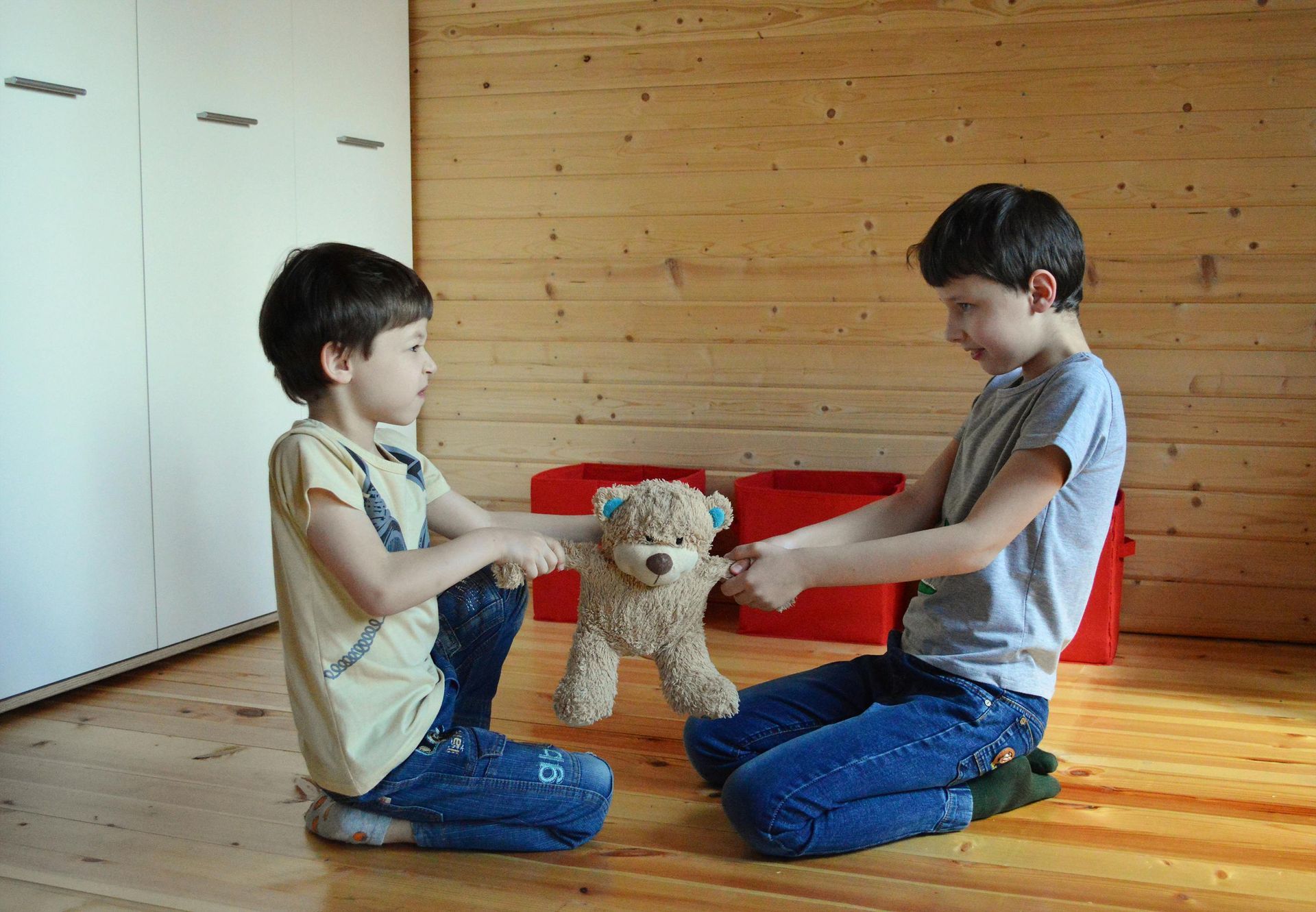
Two kids laughing one second, fully in it together, and then suddenly something shifts. A voice gets louder. A body gets stiffer. Someone cries, yells, or lashes out. It can feel like it came out of nowhere, like something flipped.
Or maybe everything is calm, even peaceful, and one child walks by and smashes the other’s snack, grabs their stuff, or flicks their ear, or worse. It is a bid for connection or attention, completely misguided and unwelcome, and suddenly everything erupts.
But underneath almost every sibling conflict is something very simple.
A boundary was crossed.
When we begin to see it this way, everything changes. We stop trying to control or eliminate conflict, and we start teaching our children how to move through it. The goal is not to raise siblings who never fight. The goal is to raise children who can engage, push, play, disagree, and even get it wrong sometimes, but who know how to stay safe, stay connected, and come back together without violence.
Consent Is the Foundation
Consent is the foundation. Boundaries are how it’s expressed. Respect is how it’s upheld.
Siblings do not fight because they are bad or aggressive. They fight because one child goes too far, the other does not yet know how to clearly say stop, or the first child does not yet know how to respect that stop. That is the entire system breaking down in real time.
So the real questions become:
1. Can your child set a boundary?
Can they say, “I don’t like that.” “Stop.” “That’s too hard.” “Teasing doesn’t feel good right now.” “I’m done.” “Ouch.”
2. Can your child respect a boundary?
When someone says stop, do they stop immediately? When a sibling says “ouch,” do they stop immediately? When you set a limit, do they honor it?
These two skills are not separate from consent. They are how consent lives in real life.
And this is not something we wait to teach.
We teach it early. We start at birth. Especially here. In situations where we are playing or giving affection to a very young child or baby, before they can speak, they are already communicating. They make sounds of distress. Their body stiffens. They pull away.
These are early forms of no.
When we notice and respond to those signals, we are teaching something powerful long before language ever shows up. We are teaching that their body matters, that their signals matter, and that someone is paying attention.
That early experience becomes the root of their ability to later say no with words and trust that it will be respected. It also becomes the root of their ability to hear someone else’s no and take it seriously.
Leadership, Not Control
There are also moments in parenting where we do not ask for consent. We lead.
There are situations around health, safety, hygiene, and social responsibility where we will override our child’s wishes. Brushing teeth, getting dressed, being put in a carseat, going to the doctor, leaving a disruptive situation.
Picture this. You are in a movie theater and your child is screaming. They do not want to leave. You pick them up and carry them out anyway. They did not consent. And it was still the right decision.
This is part of our role.
We do not do this lightly. And we do not do it without connection. We tell them what is happening (if possible). We acknowledge their experience (if possible). And we lead anyway.
“You don’t want me to carry you out. You’re upset. I hear you. It’s time to go, so I’m going to help you.”
Afterward, they may still be upset. That does not mean we did it wrong. We continue to validate. We continue to stay connected. Because even when we override their consent, their experience still matters deeply.
At the same time, we want to reduce how often we need to override. We want to build cooperation, rhythm, and momentum into our daily life so that resistance is not the default.
We can do this through games, songs, predictable routines, and lighthearted transitions. We are constantly asking ourselves how we can make things easier to say yes to. Not by removing structure, but by making the path into it more inviting. The more respectful we are with our children, and the more we treat them as equally deserving of respect, the stronger our relationship becomes and the more collaboration and cooperation we can expect.
We are not teaching our children that we are bigger so we do not need their consent. We are teaching that we are the leaders. We have a broader perspective on what they need, and part of our role is to make decisions they cannot yet make for themselves. But we do that with care, with transparency, and with respect.
Where We Protect Consent and Teach It Through Play and Affection
Outside of those necessary override moments, consent becomes something we protect.
Especially when it comes to affection, physical touch, roughhousing, tickling, personal space, play, and the way they are engaged physically and emotionally in interactions with others.
This is where we teach it most clearly.
From the beginning, we notice when our baby pulls away or fusses during affection, and we stop. As they grow, we begin to ask. We invite hugs, kisses, cuddles. We pay attention not just to their words, but to their body language, their tone, their energy.
And we honor their answer.
Some children love kisses. Some do not. One child may melt into cuddles while another prefers you rub their feet and calves while you read together on the couch. Our job is not to give affection the way we want to give it. Our job is to give affection in a way that feels good to them.
That is how we teach that love does not override comfort.
This same principle carries directly into play.
Roughhousing is often removed from families because it feels like it always ends badly. Someone gets hurt. Someone does not know when enough is enough until the parent ends up upset and the child is left in tears, not really understanding where things shifted from fun into shame.
But roughhousing is not the problem.
A lack of consent is the problem.
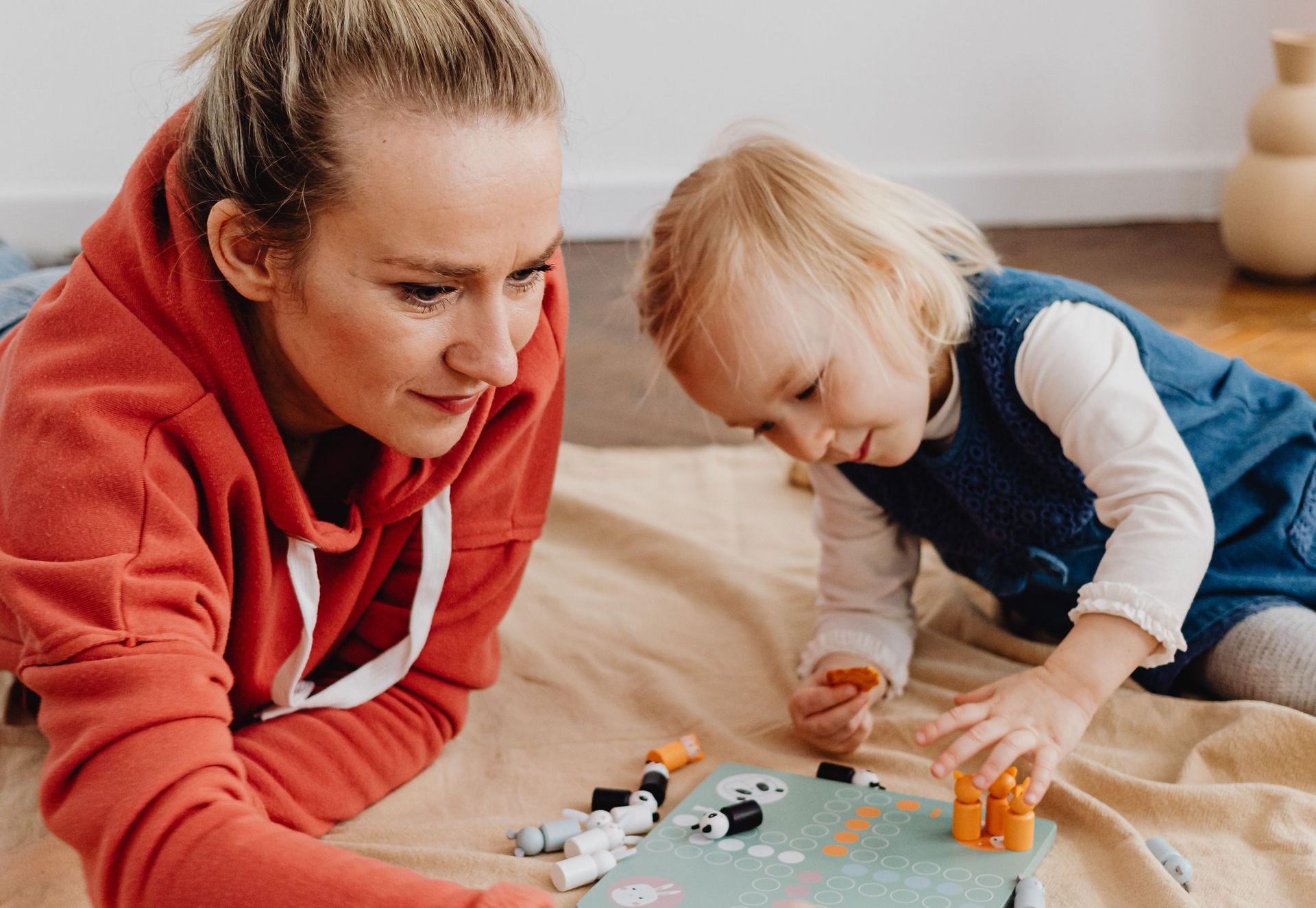
Rough play is one of the most powerful ways children learn consent in action. It teaches them how to read cues, how to adjust intensity, and how to stay connected while things get physical and energetic.
When we are roughhousing with our children, we are not just playing. We are teaching.
We are teaching them that their voice has power.
They do not need to escalate. They do not need to sound panicked, scared, or overly serious. A simple “stop” or “not so hard” should be enough to immediately change what is happening, either stopping it completely or adjusting the intensity.
That is the standard.
Their voice should work the first time.
And when it does, they begin to trust it. They begin to feel that they have control over what happens to their body. And just as importantly, it begins to feel off when it does not work, especially when it comes to someone having access to their body through affection or play.
This is the same foundation I bring onto the mats.
As a kids’ Jiu Jitsu coach, the first thing I teach is not an escape. It is the power of the voice.
“When you want this to stop, say stop.”
And then I watch.
I read their face. I look for signs of overwhelm.
If they are unable to set the boundary, I step in and support it.
“It looks like you’re done.”
Sometimes they nod. Sometimes they freeze.
If needed, I stop the interaction for them, and then we practice.
I have them hold me down, and I say “stop.” They practice getting off and stopping the interaction. We do this a few times.
Then we switch roles.
Now I am on top, but I am careful not to overwhelm them. I have them practice saying “stop” to me.
At first, it is often very quiet.
So we practice saying it a little louder. A little clearer.
Once they can do it with me, we bring it back into partner work. I keep an eye out for when they use their new skill, and I praise it.
Voice first. Then Jiu Jitsu.
Because if we do not feel safe, we cannot think. We cannot learn. We cannot take in new information. We cannot be coached.
And more than that, if your body cannot trust your mind to keep it safe, it will panic. It will create a full physiological alarm. Heart racing. Breath shortening. A strong urge to escape, often with poor instincts and no technique, making the situation worse more often than not.
And in that state, we cannot do good Jiu Jitsu.
We need to be able to think and respond with clarity.
When your body trusts that you will say “stop” when you have had enough, before overwhelm, it does not jump straight to panic. It trusts you.
Because of that, your body can stay in challenging situations longer. Your brain stays online. Your ability to learn and respond improves. That is where real growth happens.
When we roughhouse with our children, we are teaching constantly. We are watching for every signal that says stop or ease up. We are responding immediately. We are not deciding if the “ouch” was real enough. We are not judging whether they should be more resilient.
“Ouch” means stop.
Every time.
We do not judge the intent behind the ouch. We do not decide if it was serious enough. We do not measure whether they “should” be okay.
Every "ouch" means stop. No matter what.
We also teach them that consent can change at any moment. They might be laughing one second and then suddenly say stop. It does not matter if they are saying stop so they don’t lose a game. It does not matter if they started the interaction.
Consent can be withdrawn at any time. That is not a disruption of the game. That is the game.
As their understanding of consent deepens, we can expand this into things like playful trash talking, but only once consent is solid. Trash talking becomes a form of verbal roughhousing. It is only okay if everyone involved is enjoying it. It stays playful. It never becomes mean or disrespectful.
And just like physical play, anyone can stop it at any time.
We do not need to referee every moment when this is taught well.
Sometimes it is just a small reminder.
“I’m hearing a ‘stop.’”
“It sounds like not everyone is enjoying this.”
And that is enough to bring the play back into alignment.
If it is not enough, and the play needs to end, that usually tells us something important. There is likely a level of nervous system dysregulation present. And instead of trying to force better behavior in that moment, we look to meet the need underneath it before play resumes.
That might mean a meal.
Rest.
Time away from screens.
A reset outside touching grass.
A moment to reconnect.
When the nervous system is supported, the ability to honor consent comes back online.
This entire process requires adult leadership. This is not something we leave children to figure out on their own. This is not Lord of the Flies, where children are left to create their own societal rules without guidance or perspective.
Left entirely on their own, children do not naturally create balanced, respectful systems. They push limits. They follow impulse. They experiment with power.
That is developmentally appropriate. It is part of how they learn. But it is not enough on its own. This is where we come in.
We bring the perspective they do not yet have. We bring the values. We bring the structure. We teach what consent looks like in action, not just in words. We show them how to stop, how to listen, how to adjust, how to repair when something goes wrong.
In the beginning, we are very involved. We supervise closely. We participate in their play. We offer reminders. We step in when something is no longer fun or no longer mutual.
And we do something else that is just as important. We give them a place to go when something feels off or their boundary is not respected. We make it clear that they do not have to handle everything on their own. They can come to us instead of escalating, instead of trying to hurt each other back, instead of pushing through something that does not feel right.
At first, they will need this. But as the patterns begin to take hold, something shifts. They start to recognize the signals themselves. They begin to pause. They begin to adjust without being told. They begin to protect not just themselves, but each other. Older siblings start guiding younger ones. You hear phrases you have said come out of their mouths. You see them stop when someone says “ouch.” You see them reset and keep playing.
And what started as something you were actively teaching becomes something they naturally live. It becomes the culture of how they relate.
Model Setting Your Own Body Boundaries
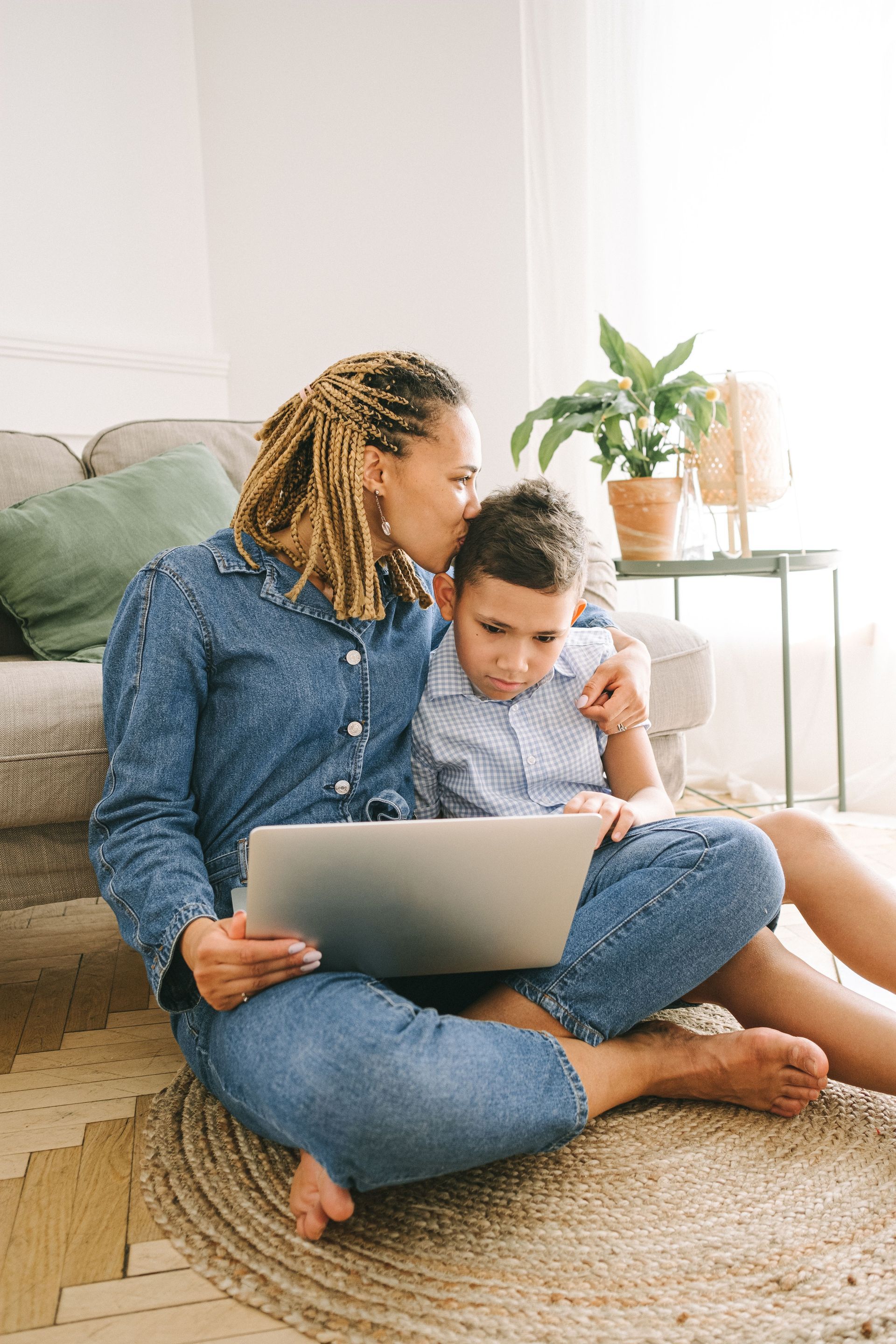
At the same time that we honor their boundaries and listen for their consent, we model it by setting our own. Children do not learn consent just by being told about it. They learn it by experiencing it.
For me, that looks like this.
“I don’t like saliva being put on me. No wet willies. No licking. I don’t want to be punched, kicked, or tickled."
I am not asking for permission. I am expressing my boundary. I don’t say it harshly. I don’t punish.
I just hold it.
“I won’t let you do that to my body.”
Calm. Clear. Consistent.
And holding a boundary is not just words. It is action. If the behavior continues, I stop the interaction.
“I’m going to take a break because you keep licking me and I’m not okay with that. We can try to roughhouse again later, but right now we are done.”
No anger. No shame. Just follow through. This is what makes the boundary real. And over time, they learn.
For every parent, this will look different. One parent might be okay being a full wrestling partner, a literal punching bag, rolling around, getting jumped on, laughing through it all. That is their boundary.
Another parent might prefer gentle touch, no jumping on their body, no surprise physical contact, asking before climbing or sitting on them, no hitting even in play, or limited roughhousing depending on the day.
There is no single correct version.
What matters is that it is real. That it is consistent. And that it is held without anger, but without wavering. This is how children learn that boundaries are not about control or punishment. They are about self-respect. And when they see you hold your boundaries, they begin to believe they are allowed to hold theirs.
What They Carry With Them
These lessons have to be lived. They have to be embodied by the one setting the boundary and the one respecting it. And as parents, we need to become skillful at both roles.
When consent is lived and breathed in your home, something powerful begins to take shape. A child who grows up with consent deeply understood in their body becomes an adult who understands relationships.
They know their body is their own.
They know their no matters.
They know their yes matters.
And they understand that both can change at any time.
They carry a deep respect, even a reverence, for their own boundaries being honored and for honoring the boundaries of others.
They come to expect their boundaries to be respected, not in a rigid or controlling way, but in a grounded, clear, self-trusting way.
And here is something important. People who violate major boundaries rarely start there.
They test smaller ones first.
They ignore a “no” that seems insignificant. They push past discomfort that is easy to dismiss. They frame something as “no big deal” when it actually is.
When a child grows up with a strong internal sense of consent, they begin to recognize this early.
They develop a kind of internal radar for people who do not understand or respect boundaries. They notice when something feels off. They trust that signal instead of overriding it.
And that awareness matters.
Because the earlier they can recognize someone stepping over smaller boundaries, the earlier they can create distance from someone who may eventually step over much bigger ones.
A person who can clearly set and hold boundaries often does not attract or tolerate boundary violators in the same way.
There is an energy to it.
A grounded presence. A clarity. A lack of hesitation. It communicates, without needing to say much, “This is where I end. This is what I allow.”
That kind of presence tends to repel people who are looking to push, manipulate, or override. It filters out dynamics that are unsafe or unhealthy before they ever fully form.
And this becomes especially important in romantic and physical relationships.
They are far more likely to engage in experiences that are mutual, aware, and fully consensual. Not based on pressure, confusion, or silence, but based on clarity, communication, and respect.
They know how to check in. They know how to listen. They know how to adjust. They know how to stop. They know how to honor a change in consent, both in themselves and in someone else.
This is not just about safety. This is about dignity. Connection. Trust.
This is foundational.
The goal is not to eliminate conflict.
The goal is to raise children who can express themselves clearly, respect others deeply, repair when things go wrong, and stay connected even when things get hard.
Because when children learn this, they do not just stop hurting each other. They learn how to relate to people for the rest of their lives.
Reflection Questions
- Where in my home do I see consent being honored well, and where do I notice it being dismissed or overlooked?
- How comfortable is my child in expressing “no,” “stop,” or “that’s too much,” and how do I typically respond in those moments?
- In what ways am I modeling clear, calm boundaries with my own body, and where might I be allowing things that don’t actually feel okay to me?
- What does play look like in our home, and how could I guide it in a way that strengthens consent, connection, and mutual respect?